
Before turning your house into a smart home, consider compatibility with your existing setup and your main goals like security or convenience. Pay attention to your Wi-Fi’s reliability and change default passwords to protect against cyber threats. Be aware of privacy issues since smart devices can collect personal data or listen in. Regular maintenance and understanding costs are also important. Keep exploring to discover more details that can help you create a safe, efficient smart home.

Get the little things that make your day delivered free — and shop member deals
- Fast, free delivery on millions of items
- Access to Prime Big Deal Days deals on October 6–7
- Prime Video, Amazon Music and more included
Key Takeaways
- Assess your home’s infrastructure and compatibility with smart devices to ensure seamless integration.
- Prioritize security measures like strong passwords, firmware updates, and privacy settings to protect your network.
- Determine your main goals—security, energy efficiency, or convenience—to choose appropriate smart technology.
- Be aware of data privacy concerns and review manufacturers’ policies before installing always-listening devices.
- Budget for initial costs, ongoing maintenance, and potential troubleshooting to maintain optimal device performance.
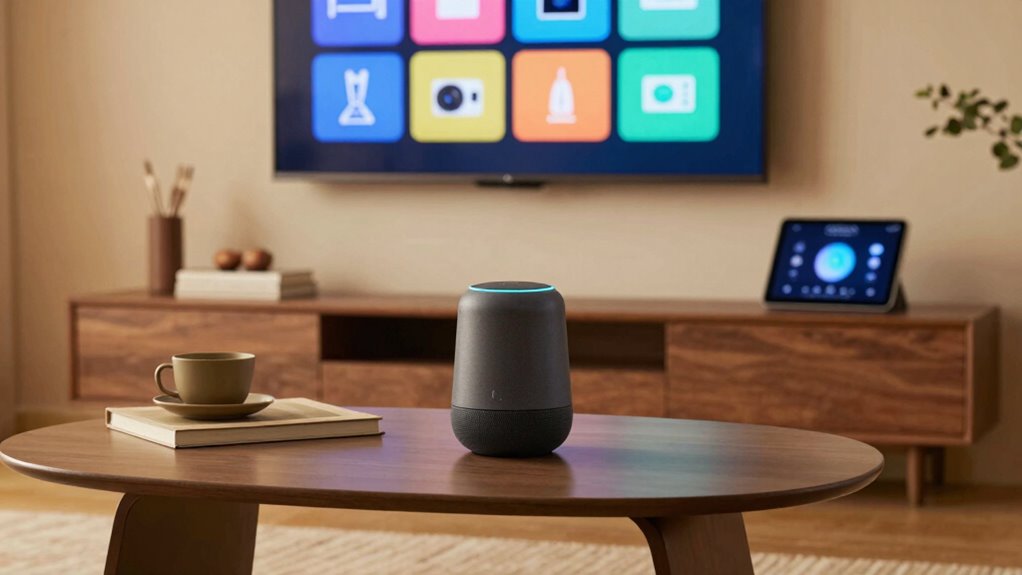
Turning your house into a smart home can make everyday living more convenient and efficient, but it’s important to understand what’s involved before diving in. One of the biggest advantages of smart homes is the ability to control devices with your voice. Voice control allows you to turn on lights, adjust the thermostat, play music, or even lock doors just by speaking. It’s a hands-free way to manage your environment, saving you time and effort. However, while voice control is incredibly useful, it also raises security concerns. Voice assistants are always listening for commands, which means sensitive conversations could potentially be overheard or recorded without your knowledge. To mitigate this, you should consider privacy settings, disable microphones when not in use, and select trusted, secure devices.
Smart homes offer voice control for convenience, but be mindful of security and privacy risks with always-listening devices.
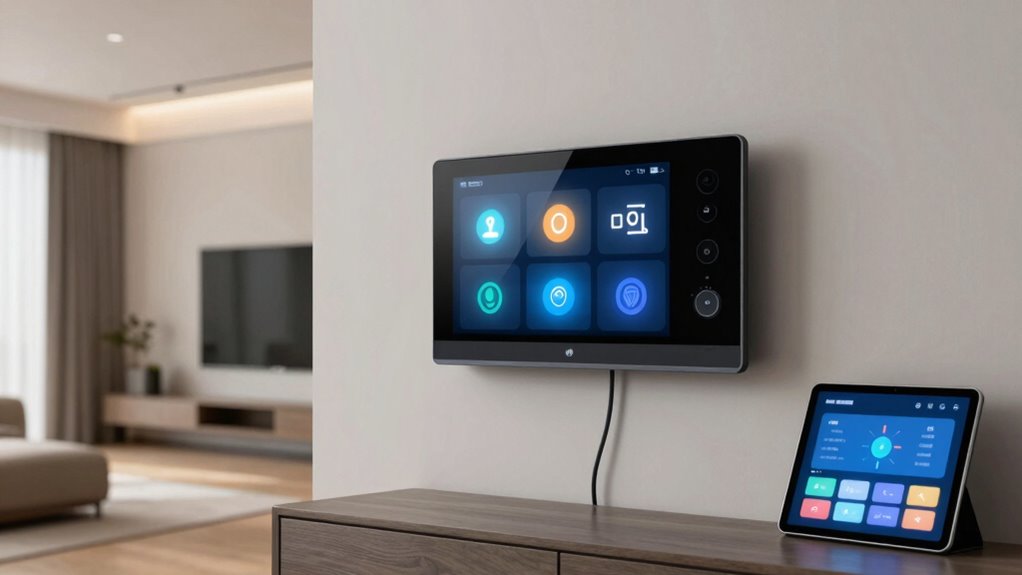
Before installing any smart technology, you need to evaluate your existing home setup and decide which devices will add the most value. Think about your priorities—do you want better security, energy savings, or simply more convenience? Once you identify your goals, choose compatible devices and platforms. For example, many smart home products work seamlessly with popular ecosystems like Alexa, Google Assistant, or Apple HomeKit. Compatibility ensures that all your devices can communicate smoothly, preventing frustration down the line.
Networking is another critical factor. A strong, reliable Wi-Fi connection is essential for a smart home to function properly. Smart devices rely heavily on your internet connection to send and receive data. If your Wi-Fi is spotty or slow, you might experience delays or connectivity issues. It’s worth investing in a good router and possibly a mesh network system to cover all areas of your house. Also, keep security in mind: change default passwords on devices, keep firmware updated, and enable two-factor authentication if available. These steps help protect your smart home from cyber threats. Additionally, understanding the importance of home network security can significantly reduce the risk of vulnerabilities. Moreover, considering the contrast ratio of your smart devices can improve your viewing experience and overall device performance. A well-designed network setup can also help prevent interference from other wireless signals, ensuring your smart devices work reliably.
Furthermore, being aware of potential privacy implications related to data collection by smart devices can help you make more informed choices about which products to install. It’s also helpful to research the privacy policies of manufacturers to understand how your data is handled and protected. Finally, consider the initial cost and ongoing maintenance. Smart devices can be expensive, and adding new gadgets over time might increase your budget. Additionally, software updates and troubleshooting are part of owning a smart home. While most devices are designed to be user-friendly, you should be prepared to spend some time learning how they work and ensuring they stay secure. By understanding these key aspects—voice control, security concerns, compatibility, network requirements, and costs—you can make informed decisions that will help you create a smart home tailored to your needs.
As an affiliate, we earn on qualifying purchases.
Frequently Asked Questions
How Much Does a Complete Smart Home Setup Typically Cost?
A complete smart home setup typically costs between $10,000 and $50,000, depending on the devices and features you choose. You’ll invest in smart lighting, thermostats, security systems, and more, all designed to boost energy efficiency and device integration. While the initial expense might seem high, it can save you money in the long run through reduced energy bills and increased convenience. Budget accordingly for a seamless smart home experience.
Are Smart Home Devices Compatible With Existing Home Wiring?
Smart home devices are like puzzle pieces—most are compatible with existing wiring, but wiring compatibility varies. You might find that some devices work seamlessly without electrical modifications, while others may require updates to your wiring system. It’s wise to check each device’s specifications and consult an electrician if needed, especially for older homes. This guarantees your smart setup functions smoothly without unexpected surprises or rewiring headaches.
What Are the Common Security Risks of Smart Home Technology?
Smart home technology can expose you to security risks like unauthorized access if you don’t take proper precautions. Hackers may exploit vulnerabilities if devices lack strong data encryption, leading to privacy breaches. To protect yourself, update firmware regularly, use strong, unique passwords, and enable two-factor authentication. Being aware of these risks helps you secure your smart home, ensuring your data stays private and your devices remain safe from cyber threats.
How Can I Ensure My Smart Home Devices Protect My Privacy?
To protect your privacy, you should regularly update your smart home devices’ firmware, ensuring security patches are applied promptly. Use strong, unique passwords for each device, and enable two-factor authentication when available. Be mindful of privacy concerns by reviewing device permissions and disabling unnecessary data sharing. Additionally, turn on data encryption features to safeguard your information during transmission, reducing the risk of unauthorized access and keeping your smart home private and secure.
What Is the Average Time Required to Install a Smart Home System?
On average, installing a smart home system takes about 4 to 8 hours, depending on the complexity. Notably, a recent study shows that 60% of homeowners find home automation devices easy to set up. Your installation time varies based on device integration and the number of devices involved. To streamline the process, plan your setup carefully, and consider professional help if you’re installing multiple or complex systems.
As an affiliate, we earn on qualifying purchases.
Conclusion
Turning your house into a smart home opens a world of convenience and comfort, but it’s worth considering the gentle nuances along the way. As you embrace this new chapter, remember that patience and a curious mind will guide you smoothly through the process. With a little foresight and thoughtful choices, your smart home can become a seamless extension of your daily life, quietly enhancing every moment without a hitch.
As an affiliate, we earn on qualifying purchases.
As an affiliate, we earn on qualifying purchases.
NFL season / tailgating Picks
team gear
As an affiliate, we earn on qualifying purchases.