To weatherproof your windows and save energy year-round, start by sealing gaps with high-quality caulk and adding weatherstripping around sashes and frames. Use thermal curtains to block drafts and trap heat during winter, and keep them open during the day for sunlight warmth. Consider applying window film or insulation kits for extra protection. Combining these methods creates an energy-efficient barrier, helping you stay comfortable and lower bills all year. Keep exploring for more expert tips.

Get the little things that make your day delivered free with Prime
- Fast, free delivery on millions of items
- Prime Video, Amazon Music and more included
- Member-only deals all year
Key Takeaways
- Inspect and seal gaps around window frames with high-quality caulking to prevent drafts and leaks.
- Install weatherstripping on sashes and sills to enhance the seal and block air infiltration.
- Use thermal curtains to provide additional insulation, keeping cold air out in winter and heat out in summer.
- Regularly maintain and replace weatherproofing materials to ensure optimal energy efficiency.
- Combine multiple methods, such as caulking, weatherstripping, and curtains, for maximum energy savings year-round.
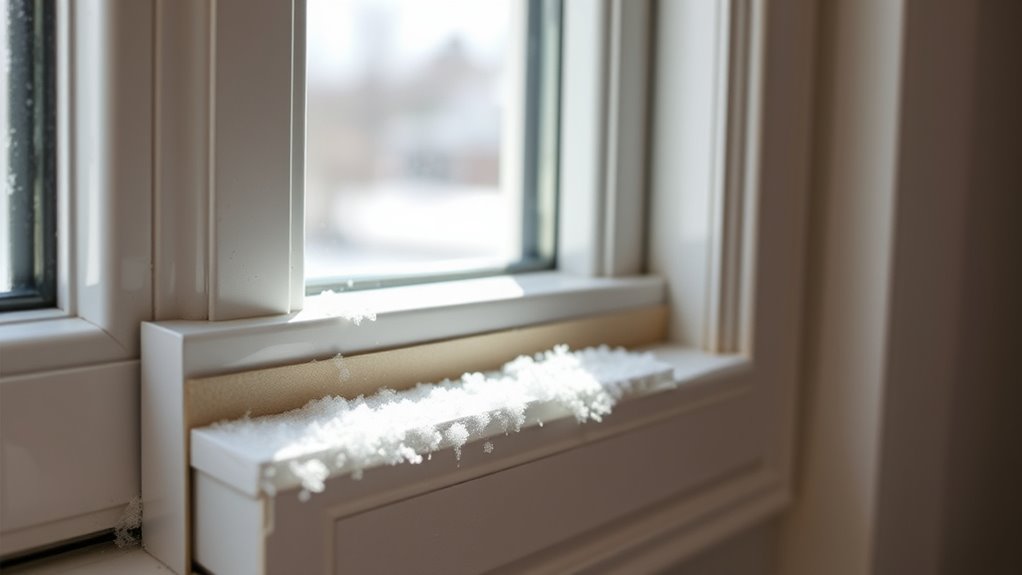
Weatherproofing your windows is an essential step to protect your home from drafts, leaks, and energy loss. When you focus on effective insulation, you’re not only making your home more comfortable but also reducing your energy bills. One of the easiest ways to start is by installing thermal curtains. These thick, insulating drapes act as a barrier against cold air during winter and keep your home cooler in the summer. When drawn, thermal curtains trap air close to the window, providing an extra layer of insulation. During colder months, keep them closed at night to prevent heat from escaping, and open them during the day to let sunlight warm your space. In warmer seasons, use them to block out heat and keep your home cooler naturally.
Along with thermal curtains, paying attention to your windows’ seals is vital. Caulking tips can help you identify and fix leaks that let drafts sneak in. First, inspect around the edges of your windows for cracks or gaps. If you spot any, carefully remove old, cracked caulk with a utility knife or a caulk removal tool. Once the area is clean and dry, apply a fresh bead of high-quality, weatherproof caulk along the seams. Smooth out the caulk with a damp finger or a caulk finishing tool to guarantee a tight seal. This prevents cold air from entering and warm air from escaping, making your heating and cooling systems work more efficiently.
You should also consider adding weatherstripping to your windows. This inexpensive solution is easy to install and highly effective. Measure the length of the window frame, then choose a weatherstripping type that fits your needs—foam tape, V-strip, or rubber. Apply it along the movable parts and the frame’s edges, pressing firmly to guarantee good adhesion. This extra layer seals gaps that caulk alone might miss, especially around moving sashes or window sills.
Combining thermal curtains, caulking tips, and weatherstripping creates a thorough approach to weatherproofing your windows. These steps work together to block drafts, prevent leaks, and keep your home’s temperature stable all year round. Additionally, vintage-inspired home tech such as retro window treatments or period-appropriate hardware can complement your efforts and enhance your home’s aesthetic. Investing time in these small upgrades can lead to noticeable savings on energy costs and a more comfortable living environment. With consistent maintenance and attention to detail, you’ll enjoy a cozy, energy-efficient home regardless of the season.
Products Worth Considering

LEVOIT Vital 100S-P Smart Air Purifier with Washable Pre-Filter

Samsung 42-Inch Class OLED S90F 4K Smart TV (2025)

LG C2 Series 65-Inch OLED evo 4K Smart TV (OLED65C2PUA, 2022)
As an affiliate, we earn on qualifying purchases.
Frequently Asked Questions
How Often Should I Replace Weatherstripping on My Windows?
You should replace your weatherstripping annually or whenever you notice drafts or damage. Over time, window sealants and insulation materials degrade, reducing their effectiveness. Check for gaps or cracks and replace worn weatherstripping to maintain a tight seal. Regularly inspecting your windows ensures that your insulation remains effective, helping you save energy and keep your home comfortable year-round. Proper maintenance of window sealants is key to ongoing energy efficiency.
Can Weatherproofing Improve Indoor Air Quality?
Weatherproofing your windows can improve indoor air quality by reducing pollutant infiltration and controlling air exchange. When you seal gaps and add weatherstripping, you prevent outside pollutants like pollen, dust, and fumes from entering your home. This leads to cleaner air indoors and minimizes drafts. By maintaining proper seals, you also help your HVAC system work efficiently, ensuring better air circulation and a healthier living environment year-round.
Are There Eco-Friendly Options for Window Weatherproofing?
Yes, you can choose eco-friendly options for window weatherproofing. Look for materials like recycled rubber, biodegradable sealants, or natural fiber weatherstripping, which are sustainable solutions that reduce environmental impact. These eco-friendly materials not only help you save energy but also promote a healthier planet. By opting for sustainable solutions, you support greener living while keeping your home comfortable year-round.
How to Detect Drafts Around Windows Effectively?
Imagine you’re a detective, hunting for sneaky drafts around your windows. To detect them, use draft detection tools like a smoke pen or a lit candle—if the flame flickers, you’ve found a leak. You can also check caulking techniques by feeling for cold spots or gaps. Regularly inspecting your windows with these methods helps you catch drafts early, saving energy and keeping your home cozy year-round.
Does Weatherproofing Affect My Window’s Warranty?
Weatherproofing generally doesn’t void your window’s warranty if you use approved methods like window film or storm windows. These options enhance insulation without damaging the window’s structure. Just make certain you follow manufacturer instructions and avoid permanent modifications. Installing window film or storm windows can actually protect your original windows from weather damage, maintaining their warranty coverage while improving energy efficiency. Always check your warranty terms for specific restrictions.
Conclusion
Think of your windows as the armor guarding your home’s treasure. When you weatherproof them, you’re sealing tiny cracks and gaps like a skilled blacksmith forging a strong shield—keeping out the cold in winter and the heat in summer. With each upgrade, you’re crafting a fortress that preserves your comfort and saves energy all year long. So, armor up your windows, and enjoy a cozy, efficient home, no matter what the weather brings.