To build floating shelves that won’t sag, choose sturdy materials like solid wood or plywood and make the shelves thicker for added strength. Support the weight evenly by securely anchoring into wall studs, not just drywall, and use strong brackets or cleats. Reinforce long shelves with back braces, and guarantee everything is level during installation. Regularly check fasteners and supports, making adjustments as needed. Keep exploring for more tips to ensure your shelves stay strong over time.
Key Takeaways
- Select dense, high-quality materials like solid wood or plywood with a strong core for durability.
- Support the shelf evenly across its length and anchor into wall studs, not just drywall.
- Use thicker shelves and add reinforcements like back braces or supports underneath for added strength.
- Install supports and brackets properly, ensuring they are level and attached securely into wall studs.
- Regularly inspect for signs of sagging and reinforce supports or tighten fasteners as needed.

Floating shelves are a stylish way to maximize space and showcase your favorite items, but if you don’t build them properly, they can sag over time. The key to preventing this is careful attention to material selection and ensuring proper weight distribution. When choosing materials, go for sturdy, high-quality options like solid wood, plywood, or MDF with a strong core. Avoid lightweight or overly soft woods that may warp or bend under load. The material you select directly impacts the shelf’s durability and its ability to hold weight without sagging.
Next, consider how the weight will be distributed across the shelf. A well-designed floating shelf isn’t just about the material; it’s about how the weight is supported. Properly anchoring the shelf to the wall using strong brackets or cleats ensures the load is evenly spread. If you’re using a cleat system, attach the cleat securely into studs, not just drywall, to maximize support. Distributing weight evenly across the entire length of the shelf prevents concentrated pressure points that could cause sagging or bowing. When placing items on your shelf, avoid overloading it beyond its designed capacity, and be mindful of how the weight is spread out—placing heavier objects closer to the wall helps maintain stability.
Distribute weight evenly and anchor securely into studs to prevent sagging and maintain shelf stability.
Furthermore, the thickness and depth of your shelf influence its capacity to resist sagging. Thicker shelves are generally stronger and less prone to bending, especially if made from dense materials. If you need a longer shelf, consider adding reinforcement—such as a back brace or extra supports underneath—to maintain stability. When installing, make sure the brackets or supports are spaced evenly and affixed into wall studs. This ensures proper weight distribution and keeps the shelf level over time. Additionally, choosing the right installation techniques can significantly reduce the risk of sagging and improve overall stability.
Finally, pay attention to the installation process. Use the right tools and techniques to secure your shelf firmly. Double-check that the shelf is level before tightening all fasteners, as an uneven installation can lead to uneven weight distribution and eventual sagging. Regularly inspect your shelves over time, especially if you notice any signs of bowing or bending. Reinforcing or adjusting supports early can save you from more extensive repairs later.

LEOPO 12-Pack 6 inch Floating Shelf Brackets, Hidden Shelf Bracket for Wood
- Premium Steel Construction: Durable with 110lbs weight capacity
- Concealed Black Finish: Blends seamlessly with decor
- Versatile Usage: Suitable for various rooms and materials
As an affiliate, we earn on qualifying purchases.
As an affiliate, we earn on qualifying purchases.
Frequently Asked Questions
Can I Install Floating Shelves on Uneven Wall Surfaces?
Yes, you can install floating shelves on uneven walls by using appropriate wall anchors and sturdy shelf brackets. First, identify the high and low points on your wall and mark where brackets will go. Use heavy-duty wall anchors for stability, especially in drywall, and verify your brackets are level before mounting. This approach will help your shelves stay secure and evenly supported despite uneven surfaces.
What Weight Capacity Can Standard Floating Shelves Support?
Think of your floating shelves as the backbone of your decor—capable of holding quite a bit if built right. Most standard shelves, made from sturdy materials like solid wood or metal, can support between 15 to 50 pounds, depending on their design and installation. Always check the weight limits and material strength, and make certain you anchor them securely to wall studs for maximum load-bearing power.
Are There Specific Wall Types Unsuitable for Floating Shelves?
You should avoid installing floating shelves on plaster or brick walls, as these surfaces don’t hold wall anchors well for drywall mounting. When mounting on drywall, make certain you use appropriate wall anchors and secure the brackets into studs whenever possible. If the wall isn’t suitable, consider alternative mounting methods or reinforce the wall with additional support. This approach guarantees your shelves stay sturdy and prevent sagging or falling.
How Often Should I Check for Shelf Stability Over Time?
You should check your shelves at least every few months to guarantee long-term durability. Keep an eye out for any signs of sagging, loose fittings, or cracks—these are clues that shelf maintenance is needed. Regular inspections prevent small issues from becoming major problems. Staying vigilant helps you maintain the stability of your floating shelves and ensures they continue to support your belongings securely over time.
Can I Customize Floating Shelves With Decorative Finishes?
Yes, you can definitely customize floating shelves with decorative finishes. Shelf customization allows you to add paint, stain, or wallpaper to match your decor. You might also consider applying decorative finishes like distressing, stenciling, or sealing with a glossy or matte topcoat for a personalized touch. These options help you create unique, stylish shelves that complement your space while showcasing your personal style.

Bullfix Extra Drywall Anchors – 10 Pack, Holds up to 293lbs, Heavy Duty Wall Anchors for Drywall for Stud & Hollow Cavity with 13/16" Drill Bit & Screws for TV Mounts, Shelves & Cabinets
- High Load Capacity: Holds up to 293lbs on standard drywall
- Complete Kit: Includes 10 anchors, 10 screws, and collars
- Universal Compatibility: Suitable for various drywall cavity types
As an affiliate, we earn on qualifying purchases.
As an affiliate, we earn on qualifying purchases.
Conclusion
With these simple strategies, your shelves will stay strong and stylish for years. By choosing sturdy materials, securing brackets properly, and avoiding overloading, you’ll build beautiful, blemish-free floating shelves that won’t sag. Stay steadfast in your approach, and soon you’ll see your space shine with sleek, secure shelving. So, confidently create and customize your storage, and enjoy the satisfaction of a sag-free, stunning setup that stands the test of time.

12 Pack – 10 inch Black Hidden L Shelf Bracket (1/5 Inch Thicked) Iron Floating Shelf Brackets Rustic Industrial Metal Brackets for Shelf Support
- Maximum Support Weight: Supports up to 100lb per pair
- Finish and Style: Matte black, rustic industrial look
- Size and Thickness: 10-inch length, 5mm thick
As an affiliate, we earn on qualifying purchases.
As an affiliate, we earn on qualifying purchases.
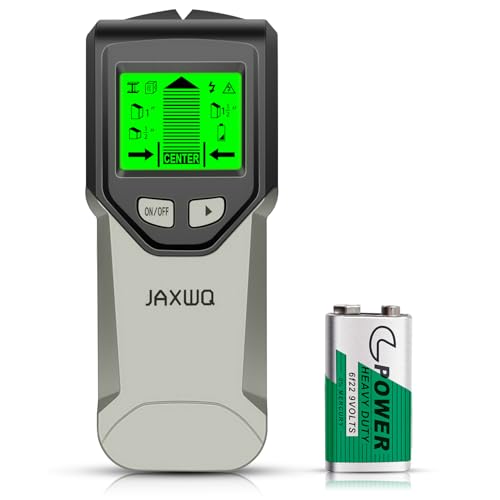
Stud Finder Wall Scanner – 5 in 1 Stud Finder Tool w/Smart Chip and HD LCD Display, Stud Detector Beam Finders for the Center and Edge of Wood AC Wire Metal Studs Joist Pipe (Grayish)
- High-Precision Detection: Accurately finds studs, pipes, wires quickly
- Bright LCD Display: Shows center, edge, and battery status
- Audio and Visual Alerts: Guides to stud location with sound and light
As an affiliate, we earn on qualifying purchases.
As an affiliate, we earn on qualifying purchases.