

If your monthly costs are too high, start by canceling or downgrading luxury subscriptions like streaming, fitness, or magazines, since small services add up fast. Next, limit dining out and cook at home more often to save considerably. Evaluate discretionary spending on gadgets or fashion and set a waiting period before making non-essential purchases. Also, review utility bills and recurring costs, negotiating better plans when possible. Keep exploring to find even more ways to tighten up your budget.

Get the little things that make your day delivered free — and shop member deals
- Fast, free delivery on millions of items
- Access to Prime Big Deal Days deals on October 6–7
- Prime Video, Amazon Music and more included
Key Takeaways
- Start by canceling or downgrading non-essential subscriptions and memberships to free up cash.
- Limit dining out and cook at home more to reduce food expenses.
- Assess and cut impulse purchases and discretionary spending that aren’t necessary.
- Review utility habits and reduce energy and water usage to lower bills.
- Negotiate or cancel recurring costs like insurance and internet plans for better rates.
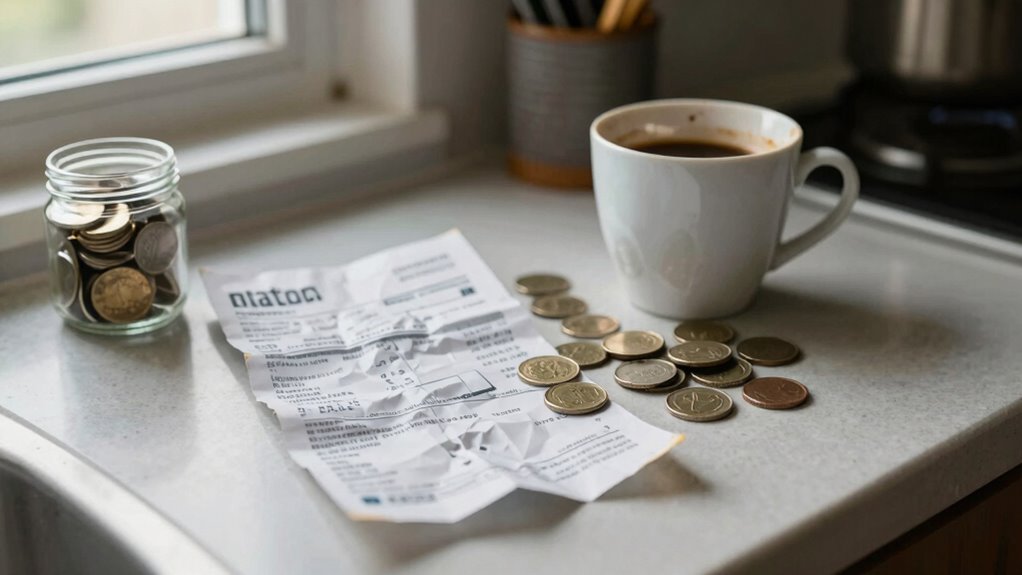
When your monthly expenses start to outweigh your income, it’s natural to feel overwhelmed. You might find that your bank account is draining faster than it should, leaving you stressed about how to make ends meet. The first step is to identify areas where you can cut back without drastically impacting your quality of life. A good starting point is reviewing your subscriptions. If you have luxury subscriptions, such as high-end streaming services, exclusive fitness memberships, or premium magazine subscriptions, consider canceling or downgrading them. These services often seem small and harmless but can add up quickly over the month. Reducing or eliminating luxury subscriptions can free up a surprising amount of cash you might not realize you’re spending.
Review and cancel luxury subscriptions to free up unexpected savings and ease your financial stress.
Next, look at your dining habits. Dining out is a common expense that can skyrocket without you noticing. It’s tempting to treat yourself to restaurants or takeout, especially after busy days, but these costs accumulate faster than you think. Instead, try planning meals and cooking at home more often. Not only does this save money, but it also gives you control over your food choices and budgets. If dining out is a social activity you don’t want to give up entirely, set a monthly limit or choose more affordable options. Making this shift can cut a significant chunk from your monthly expenses.
Beyond these, evaluate other discretionary spending. For example, consider whether you really need every new gadget or fashion item you see. Often, impulse purchases are driven by fleeting desires rather than necessity. Implement a waiting period before buying non-essential items—this helps you decide if it’s truly worth it. Check your utility bills too; small changes like unplugging devices, turning off unused lights, or adjusting your thermostat can lower your monthly charges without much effort. Additionally, being mindful of toilet flushing and disposal habits can help reduce water and maintenance costs, further easing your financial burden. Understanding power consumption and appliance efficiency can make a difference in your utility bills, especially if you’re mindful of standby power usage. Being aware of the importance of financial literacy can empower you to make smarter choices about your spending and savings habits. Moreover, staying informed about energy-efficient appliances can help you select options that save money over time. Incorporating some simple cost-saving strategies into your routine can also have a noticeable impact on your overall expenses.
Finally, analyze your current budget to identify recurring costs that might be negotiable or reducible, such as insurance premiums, internet plans, or subscriptions. Call providers and ask if there are cheaper plans or discounts available. The goal is to cut the expenses that don’t provide enough value for what you’re paying. Remember, cutting back doesn’t mean sacrificing happiness altogether. It’s about making smarter choices and prioritizing your financial stability. Small sacrifices now can lead to big relief later, allowing you to regain control of your finances and feel more secure moving forward.
subscription cancellation service
As an affiliate, we earn on qualifying purchases.
As an affiliate, we earn on qualifying purchases.
Frequently Asked Questions
How Do I Identify Unnecessary Expenses in My Budget?
To identify unnecessary expenses in your budget, review your spending habits carefully. Look for luxury expenses that aren’t essential and impulse purchases that pop up without planning. Track your expenses for a month to see where your money goes. Then, prioritize needs over wants, and cut back on non-essential items. This process helps you recognize and eliminate costs that aren’t helping your financial goals.
When Should I Consider Negotiating Bills or Contracts?
You should consider negotiating bills or contracts when they’re up for renewal or if you notice better discount strategies elsewhere. As your contract renewal date approaches, reach out to your service providers to discuss discounts or alternative plans. Don’t wait until bills become unmanageable; proactive negotiations can help lower your monthly costs, especially if you’ve identified unnecessary expenses in your budget. Acting early can save you money long-term.
Are Subscription Services Worth Canceling First?
You might want to cancel subscription services first, especially if you’re feeling subscription fatigue. These recurring charges often pile up unnoticed, draining your budget quickly. Before you cut, check if you’re paying for bundled services or multiple subscriptions that overlap. Cancel those that no longer bring value or can be replaced with free alternatives. Cutting these first can immediately ease your financial stress without sacrificing essential needs.
How Can I Reduce Costs Without Sacrificing Quality?
You can reduce costs without sacrificing quality by cutting back on luxury expenses and impulse purchases. Start by setting a budget for non-essential items, and avoid spontaneous buys that often drain your finances. Focus on purchasing items that offer long-term value and durability. Comparing prices and seeking discounts also helps, ensuring you get quality without overspending. This way, you maintain your lifestyle while keeping your monthly costs manageable.
What Financial Tools Can Help Track Spending Effectively?
You can track your spending effectively with budget apps that organize your expenses into specific spending categories. These tools automatically sync with your bank accounts, giving you real-time insights into where your money goes. By categorizing your expenses, you’ll easily identify areas to cut back. Budget apps like Mint or YNAB provide detailed reports, helping you stay on top of your finances and make smarter spending decisions without sacrificing quality.
As an affiliate, we earn on qualifying purchases.
Conclusion
When your monthly costs feel overwhelming, start by trimming optional expenses like subscriptions or dining out. Focus on essentials first—think of it as your own financial “Great Depression” where every dollar counts. Remember, even a small cut can make a big difference over time. Like a wise old sage once said, “A penny saved is a penny earned,” so be strategic and stay disciplined. Your wallet will thank you, just as a trusty steed rewards a gentle hand.
As an affiliate, we earn on qualifying purchases.
As an affiliate, we earn on qualifying purchases.
Halloween Picks
halloween
As an affiliate, we earn on qualifying purchases.