
Your phone can handle many tasks like browsing, messaging, streaming, and light productivity, making it a convenient alternative for everyday use. Advanced hardware now supports mobile gaming and remote work via cloud services, reducing dependence on a laptop or PC. However, phones still struggle with intensive tasks like video editing or software development, and small screens can limit multitasking. If you want to explore how far your phone can go, keep exploring the details below.
Key Takeaways
- Smartphones are capable of handling many casual tasks like browsing, messaging, and streaming, reducing the need for a computer.
- High-quality mobile gaming and cloud computing services expand phone functionality but may face limitations like overheating and internet dependence.
- Small screen size and input options make complex multitasking and professional software use challenging on phones.
- Portable projectors and media sharing enhance phone utility for presentations, but quality depends on device and internet connectivity.
- Traditional computers still excel for intensive tasks such as advanced editing, software development, and multitasking that surpass mobile capabilities.
Many people wonder if their smartphones can truly replace their computers, especially as phone technology continues to advance rapidly. The answer isn’t straightforward because it depends on how you use your device and what tasks are most important to you. For casual browsing, messaging, and streaming, your phone might already do the job. But when it comes to more demanding activities like mobile gaming or cloud computing, the situation gets more nuanced.
Mobile gaming has become a major part of smartphone use, and advancements in hardware have made phones capable of running high-quality games. You can now enjoy graphics and gameplay that were once only possible on dedicated gaming consoles or PCs. However, if you’re into intense, graphics-heavy games, your phone may still hit its limits. It might struggle with overheating or battery drain during long gaming sessions, and the small screen can hinder your experience compared to a larger monitor or gaming setup. For casual mobile gaming, though, your phone can often suffice, especially with accessories like game controllers and cloud gaming services that stream titles directly to your device.
Cloud computing is another area where your phone’s capabilities are expanding. Thanks to cloud platforms like Google Drive, Dropbox, and OneDrive, you can store, access, and share files easily. Cloud computing allows you to run applications or access powerful servers remotely, reducing the need for heavy local processing power. This means your phone can handle complex tasks like editing documents, creating presentations, or even running virtual desktops if connected to reliable internet. The power of cloud computing makes your smartphone more versatile, almost like a lightweight computer that leans on remote servers for heavy lifting. Still, this relies heavily on a consistent, high-speed internet connection, and if the connection drops, your productivity can grind to a halt.
Additionally, advances in projector technology are making mobile devices more useful for media sharing and presentations, further blurring the lines between phones and computers. However, there are limitations. Your phone’s small screen and limited input options can make multitasking or complex workflows cumbersome compared to a traditional computer setup. Also, while cloud computing offers flexibility, it depends on your internet quality, which can vary. Some professional software still isn’t optimized for mobile platforms, and certain tasks—like advanced video editing or software development—may remain out of reach without a computer.
In essence, your phone is becoming more capable, especially with the help of cloud computing and mobile gaming innovations. But whether it can truly replace your computer depends on what you need it to do. If your tasks are simple and portable, your phone might be enough. But for more intensive, specialized work, a traditional computer still holds the advantage.

GameSir X5 Lite Mobile Gaming Controller for Android & iPhone 15/16 Series (USB-C), Hall Effect Joystick, Lightweight Ergonomic Phone Controller- Play Genshin Impact & Zenless Zone Zero
Expanded Screen Compatibility: Stretchable up to 213mm, fitting iPad Mini 6/7 and Android tablets; Compatible with iPhone 15/16…
As an affiliate, we earn on qualifying purchases.
As an affiliate, we earn on qualifying purchases.
Frequently Asked Questions
How Does Screen Size Impact Productivity on Phones vs. Computers?
Screen size considerably impacts your productivity, as larger screens on computers provide better visual comfort and more space for multitasking. Phones with smaller screens may cause eye strain and limit your ability to view multiple windows or detailed content effectively. When working for extended periods, a bigger screen enhances focus and reduces fatigue, making it easier to stay productive. Ultimately, screen size influences how comfortably and efficiently you can work.
Can Phones Handle High-End Gaming Comparable to Computers?
Powerful phones pack impressive mobile hardware, but they still fall short of high-end gaming performance compared to computers. You’ll notice smoother graphics, faster frame rates, and less lag on a gaming rig. While flagship phones handle some casual or less demanding games well, they struggle with intensive titles, making it tough to match the immersive experience and consistent performance you get with a dedicated computer setup.
What Security Risks Are Associated With Replacing a Computer With a Phone?
Replacing your computer with a phone introduces security risks like data privacy breaches and malware threats. Phones often lack robust security features found in computers, making your personal information vulnerable. You might unknowingly download malicious apps or fall for phishing scams more easily. To protect yourself, keep your phone’s software updated, use strong passwords, and install security apps. Always stay vigilant about data privacy and avoid risky links or downloads.
How Do Software Compatibility Issues Affect Phone-As-Computer Setups?
Software compatibility issues can considerably impact your phone-as-computer setup. You might find that some essential software doesn’t run smoothly due to hardware limitations, such as processing power or storage capacity. Regular software updates help, but they may not fully bridge compatibility gaps. As a result, you could face challenges in running certain applications, which limits your productivity and flexibility when replacing a computer with just a phone.
Are There Ergonomic Concerns When Using Phones in Place of Computers?
Using your phone instead of a computer can lead to ergonomic concerns, like poor posture and eye strain. When you hunch over or hold your phone for long periods, you risk developing neck and back pain. Additionally, staring at a small screen causes eye fatigue. To reduce these issues, take regular breaks, stretch, and consider using stands or external keyboards to promote better ergonomic posture.

【Built-in APPS & Electric Focusing & 210° Rotation】Mini Projector With Wifi And Bluetooth, 1080P Portable Projector, Movie Projector for Bedroom, Supports Smartphones/TV Stick/iPad/PS5/Laptop/HDMI/USB
【The Latest WIFI 6 Technology And Bluetooth 5.3】This projector with Wi-Fi and Bluetooth is equipped with the latest…
As an affiliate, we earn on qualifying purchases.
As an affiliate, we earn on qualifying purchases.
Conclusion
While your phone might seem like a tiny powerhouse, remember it’s still a pocket-sized galaxy, not a full-fledged computer. It can handle many tasks, but it’s not the Swiss Army knife of devices. Think of it as a candle flickering in the vast night—bright but limited. So, ask yourself: is your phone ready to replace your computer’s steady glow, or does it just add a spark to your daily tech universe?

SSK 4TB Personal Cloud Network Attached Storage Support Wireless Remote Access, Home Office NAS Storage with 4T Hard Drive Included for Phone, Tablet, Laptop Auto-Backup, Wired Ethernet Only,No WiFi
Your personal cloud storage with 4TB large capacity doesn't have own WIF: This NAS built-in 3.5inch 4TB storage,…
As an affiliate, we earn on qualifying purchases.
As an affiliate, we earn on qualifying purchases.
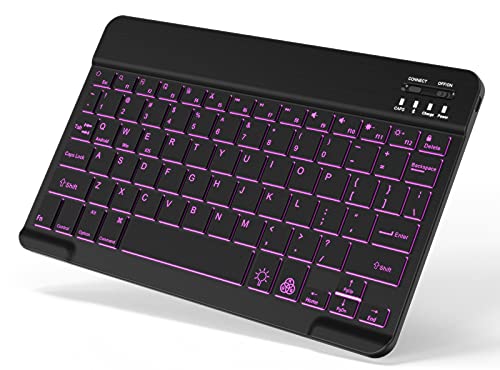
Backlit Bluetooth Keyboard Small Portable Wireless Keyboard Rechargeable Illuminated for Android Samsung Tablet Cell Phone Smartphone iPad A16 11th 10th Generation iPad Pro Air Mini iPhone (Black)
7-Color LED Backlit: This Bluetooth keyboard has a 7 colors backlight mode, 1 breathing light mode, and 3…
As an affiliate, we earn on qualifying purchases.
As an affiliate, we earn on qualifying purchases.