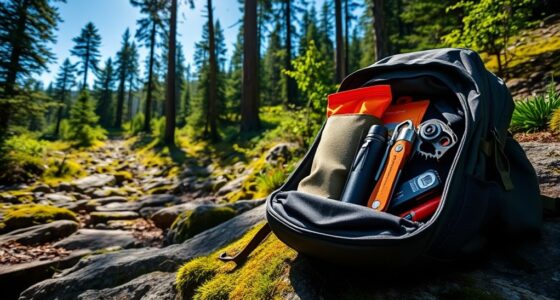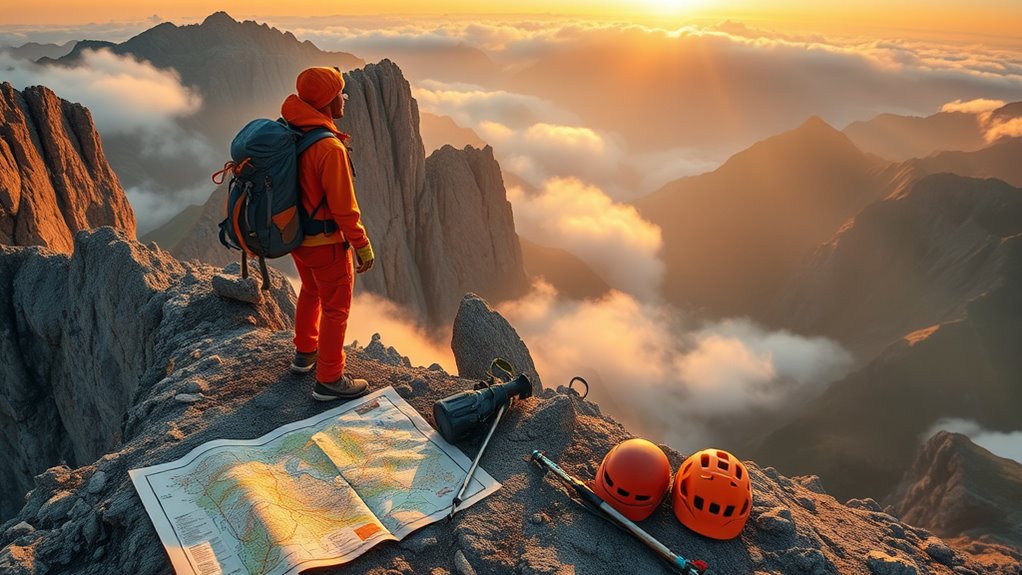

Before heading out on adventure travel, prepare by researching the area, learning basic local phrases, and ensuring your insurance covers adventure activities. Pack proper gear like helmets and safety harnesses, and stay aware of environmental hazards such as wildlife or rough terrain. Always stick to your skill level and follow guides’ advice. Carry communication devices and share your plans with trusted contacts. If you want to discover more tips to stay safe and enjoy your trip fully, keep exploring.
Key Takeaways
- Research local customs, weather, and health risks; share your itinerary and emergency contacts with trusted individuals.
- Use proper safety gear suited for your activities, and follow guidance from qualified instructors or guides.
- Stay within your skill level, avoid shortcuts, and be aware of environmental hazards like wildlife and terrain dangers.
- Carry fully charged communication devices and know emergency procedures and access points in your destination.
- Invest in comprehensive travel insurance and prepare essential documents for quick access during emergencies.
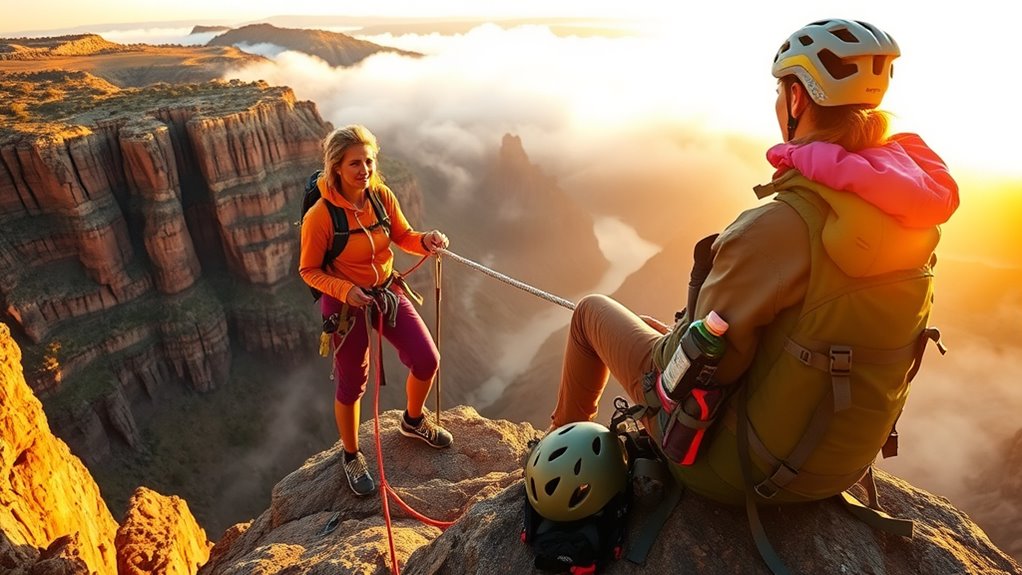
Are you prepared to handle the unexpected during your adventure travels? When venturing into unfamiliar terrains or engaging in adrenaline-pumping activities, it’s essential to have a plan for potential challenges. Your safety depends on your ability to think quickly and stay calm under pressure. Before you set out, research the area thoroughly, including local customs, weather conditions, health risks, and emergency contacts. Knowing the local language basics can also be a lifesaver if you encounter problems or need assistance.
Invest in extensive travel insurance that covers adventure activities. Not all policies include high-risk sports like rock climbing, scuba diving, or zip-lining, so read the fine print carefully. Carry essential documents, such as your passport, insurance card, and emergency contacts, in both digital and hard copies. This way, if you lose your belongings or face an emergency, you’ll have quick access to critical information. Additionally, leave a copy with someone you trust back home, and share your itinerary so they can check in if needed.
Equip yourself with the right gear for your activities. Proper footwear, protective helmets, harnesses, or life jackets aren’t just accessories—they’re essential for your safety. Don’t underestimate the importance of wearing safety gear, even if it feels cumbersome. It can prevent injuries or worse. Stay within your skill level; pushing too hard beyond your capabilities increases risk. Listen to your guides or instructors—they’re trained to keep you safe and will advise when conditions aren’t suitable for certain activities.
Understanding the environment is also key. Be aware of wildlife, plant life, and terrain hazards. In remote areas, dehydration and altitude sickness can sneak up on you, so carry enough water and acclimate gradually if needed. Respect local laws and customs; what’s acceptable in one country might be dangerous or illegal elsewhere. Always follow safety instructions and signage, and don’t take shortcuts or attempt dangerous feats without proper training.
Communication can be a lifesaver in emergencies. Carry a fully charged mobile phone, a portable charger, or a satellite device if you’re heading into areas with limited coverage. Keep emergency numbers saved and know the quickest way to reach local authorities. If you’re traveling with a group, establish a clear plan for reunification if separated. Trust your instincts—if something feels unsafe, don’t hesitate to back off or seek help. Your awareness and preparation are your best tools to navigate unexpected situations safely, ensuring your adventure remains enjoyable and incident-free.

Survival Kit, Gifts for Men Women Teen Boys, 252 pcs Survival Gear and Equipment Mini First Aid Kit for Car Home, Emergency Kit with Molle System for Earthquake, Outdoor Adventure, Car Travel (Black)
【Comprehensive Survival First Aid Kit】Having an emergency survival kit is an important step to prepare and protect your…
As an affiliate, we earn on qualifying purchases.
As an affiliate, we earn on qualifying purchases.
Frequently Asked Questions
What Vaccinations Are Recommended for Adventure Travel Destinations?
You should get vaccinations like yellow fever, typhoid, hepatitis A and B, rabies, and meningococcal, depending on your destination. Check with your healthcare provider at least four to six weeks before traveling to make sure you’re up-to-date. Some areas may require proof of vaccination for entry. Also, consider mosquito precautions for diseases like Zika and malaria, and always follow local health advisories to stay safe.
How Can I Find Reliable Local Guides and Tour Operators?
You can find reliable local guides and tour operators by researching online reviews on platforms like TripAdvisor or Google. Ask for recommendations from fellow travelers or your accommodation staff. Verify their credentials, licenses, and safety records before booking. Look for guides with local expertise and good reputation. Trust your instincts—if something feels off, keep searching until you find someone trustworthy to guarantee a safe and enjoyable adventure.
What Should I Pack for Emergency Medical Situations?
You should pack a well-stocked first aid kit with essentials like bandages, antiseptic wipes, pain relievers, allergy medications, and any personal prescriptions. Include insect repellent, sunscreen, and a small pair of scissors or tweezers. Carry digital copies of your medical info and emergency contacts. It’s also wise to bring an emergency blanket and a basic guide on how to handle common injuries or illnesses during your trip.
Are Travel Insurance Policies Sufficient for Adventure Activities?
Travel insurance policies can provide good coverage, but they might not be enough for high-risk adventure activities. Always check the policy details to see what’s included, especially for things like extreme sports or wilderness expeditions. You might need specialized coverage or additional policies. Don’t assume your standard insurance will cover everything—it’s better to be safe than sorry, so confirm your plans well in advance.
How Do I Stay Safe During Extreme Weather Conditions?
During extreme weather, stay informed by checking weather updates frequently. Always have a plan to seek shelter quickly and know the safest routes. Wear appropriate clothing for the conditions, including waterproof gear and sturdy footwear. Keep emergency supplies like a flashlight, water, and a first aid kit handy. Trust your instincts, avoid risky areas, and communicate your location to someone you trust. Staying alert and prepared keeps you safer in severe weather.

Your Lifestyle Business Scratch-Off Travel Activity Cards, 50 Adventure Prompts & Dares for Fun-Loving Travelers. Perfect Travel Games & Gifts for Travelers, Couples, & Solo Explorers
50 SCRATCH-OFF ADVENTURE PROMPTS: Order a dish you can't pronounce. Photograph 10 things in one color. Explore streets…
As an affiliate, we earn on qualifying purchases.
As an affiliate, we earn on qualifying purchases.
Conclusion
Before you set off on your adventure, remember that safety is your trusted compass guiding every step. Think of your journey as a vibrant tapestry, each cautious choice weaving a pattern of unforgettable memories without shadows of worry. With awareness as your shield and preparation as your map, you’ll navigate the wildest terrains with confidence. Embrace the thrill, but keep safety at your side—your adventure’s spark, lighting up the path to stories you’ll cherish forever.

Spot X with Bluetooth 2-Way Satellite Messenger | SOS Protection | Handheld Portable 2-Way GPS Messenger for Hiking, Camping, Cars| Globalstar Satellite Network Coverage | Subscription Applicable
SYNC WITH BLUETOOTH: Connect to SpotX to cellphone so you can communicate with family or even search and…
As an affiliate, we earn on qualifying purchases.
As an affiliate, we earn on qualifying purchases.
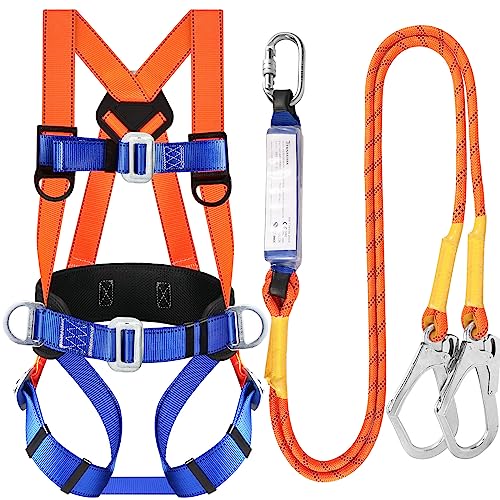
TT TRSMIMA Safety Harness Fall Protection Kit: Full Body Roofing harnesses with Shock Absorbing Lanyard – Updated Comfortable Waist Pad
DATA:PLEASE READ BEFORE PURCHASING. Size(Including buckle)! Waist 30.7-47inch, Chest: 31.5-47.3inch, Leg: 21.2-38inch, fit weigh 130-310 pounds. Best for…
As an affiliate, we earn on qualifying purchases.
As an affiliate, we earn on qualifying purchases.