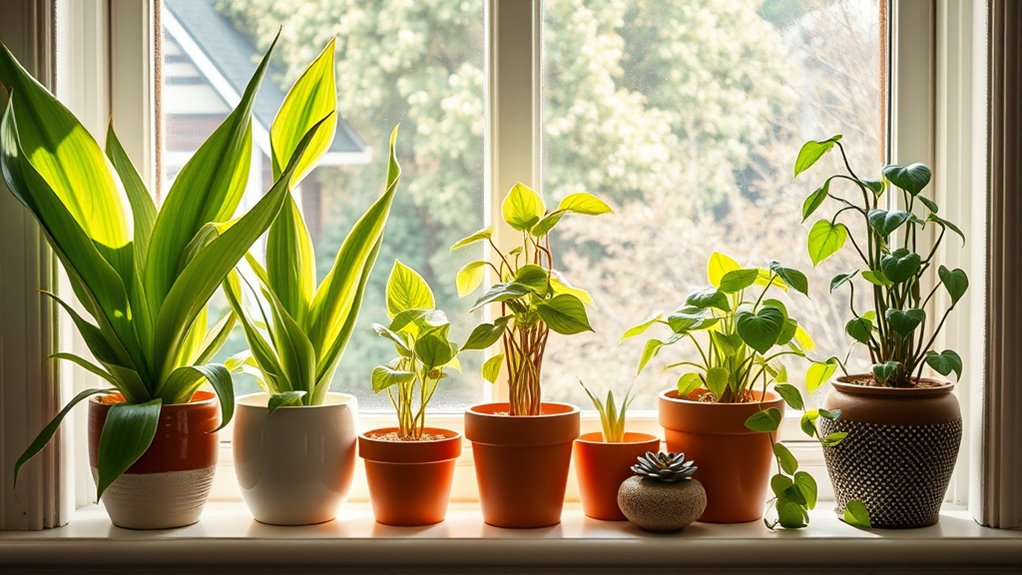

If you’re looking for houseplants that are nearly impossible to kill, try the Snake Plant, Pothos, ZZ Plant, Spider Plant, and Peace Lily. These plants thrive with minimal care, tolerating low light, infrequent watering, and some neglect. The Snake Plant and ZZ Plant are especially forgiving, while the Pothos trails beautifully and the Peace Lily blooms easily. Keep going to discover simple tips for keeping these resilient greenery friends happy.
Key Takeaways
- Snake Plant and ZZ Plant thrive on infrequent watering, tolerating neglect and low light conditions.
- Pothos and Spider Plant are highly adaptable, forgiving low light, irregular watering, and varying humidity.
- Peace Lily is resilient, requiring minimal care and tolerating occasional missed waterings in indirect light.

Costa Farms Snake Plant, Sansevieria Live Plant in Decorative Pot, Easy to Maintain, Air Purifying Succulent Indoor Houseplant, Assorted Variety, Home, Room, or Office Décor, 8-12 Inches Tall
AIR-PURIFYING STYLE: The architectural upright leaves of this live Snake Plant provide a modern, sleek look that defines…
As an affiliate, we earn on qualifying purchases.
As an affiliate, we earn on qualifying purchases.
Snake Plant (Sansevieria)
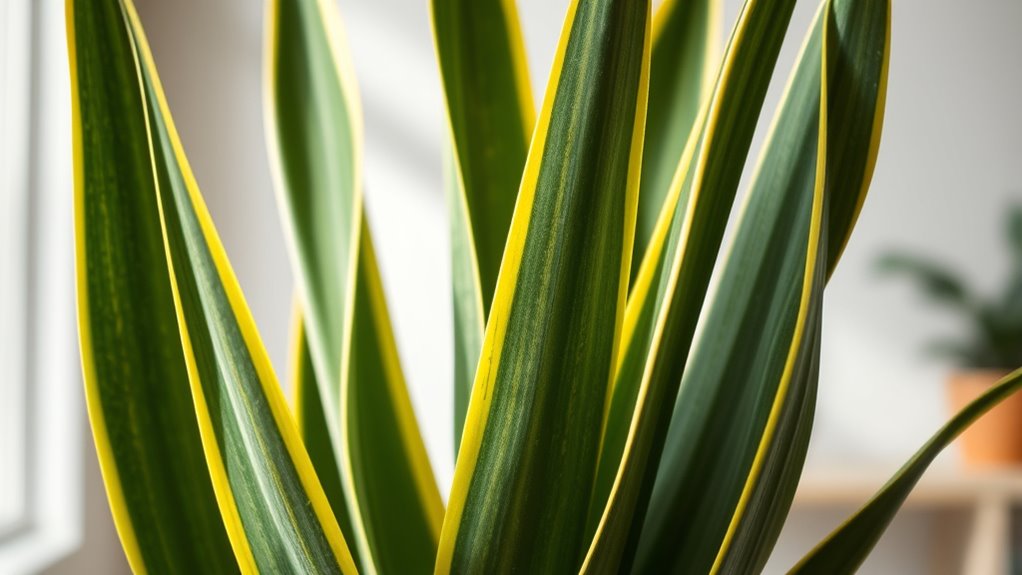
The Snake Plant (Sansevieria) is one of the easiest houseplants to care for, making it perfect for beginners. Its tall, upright leaves are tough and resilient, tolerating low light and irregular watering. You can place it almost anywhere—whether in a shady corner or a sunny windowsill. When watering, let the soil dry out completely between sessions; overwatering is a common mistake. It’s forgiving if you forget to water for a while. Snake Plants also thrive in a range of temperatures and don’t require high humidity. They’re excellent for improving indoor air quality, filtering toxins effortlessly. With minimal fuss, this plant will give your space a touch of greenery and structure, all while demanding very little in return.

Easy to Grow Houseplants (Pack of 6), Live House Plants in Containers, Growers Choice Plant Set in Planters with Potting Soil Mix, Home Décor Planting Kit or Outdoor Garden Gifts by Plants for Pets
LIVE INDOOR HOUSEPLANTS: Includes a rotating assortment of 6 popular indoor plants in 2 in. grower pots, ranging…
As an affiliate, we earn on qualifying purchases.
As an affiliate, we earn on qualifying purchases.
Pothos (Devil’s Ivy)
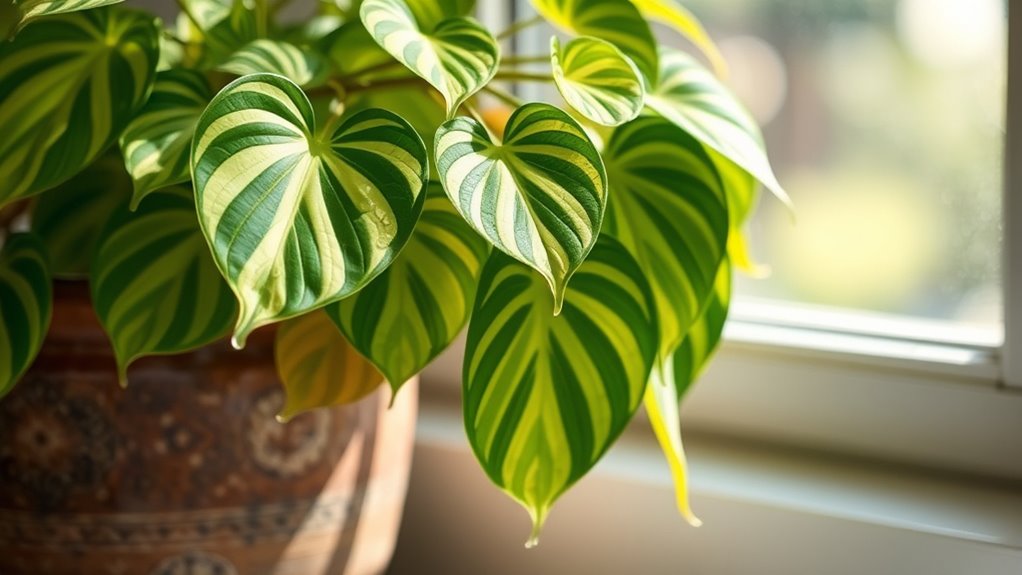
Pothos, also known as Devil’s Ivy, is one of the most popular and versatile houseplants for beginners. Its trailing vines drape beautifully from shelves or hangers, adding greenery to any space. You’ll notice its heart-shaped leaves, often variegated with streaks of yellow, white, or pale green. Pothos tolerates low light, so even dim corners become lively with its presence. It’s forgiving when you forget to water and can thrive in a range of humidity levels. Its resilience makes it perfect for busy or novice plant owners. As it grows, you can train it to climb or cascade, creating a lush, natural curtain. With minimal care, your Pothos will brighten your home effortlessly, transforming any area into a vibrant haven.

Costa Farms Golden Pothos Live Plant, Easy Care Indoor House Plant in Grower's Pot, Potting Soil, Great for Outdoor Hanging Planter or Basket, Housewarming Gift, Desk Decor, Room Decor, 10-Inches Tall
LOW-MAINTENANCE LIVE INDOOR PLANT: Bring home a gorgeous Golden Pothos plant that is perfect for new plant parents….
As an affiliate, we earn on qualifying purchases.
As an affiliate, we earn on qualifying purchases.
ZZ Plant (Zamioculcas Zamiifolia)
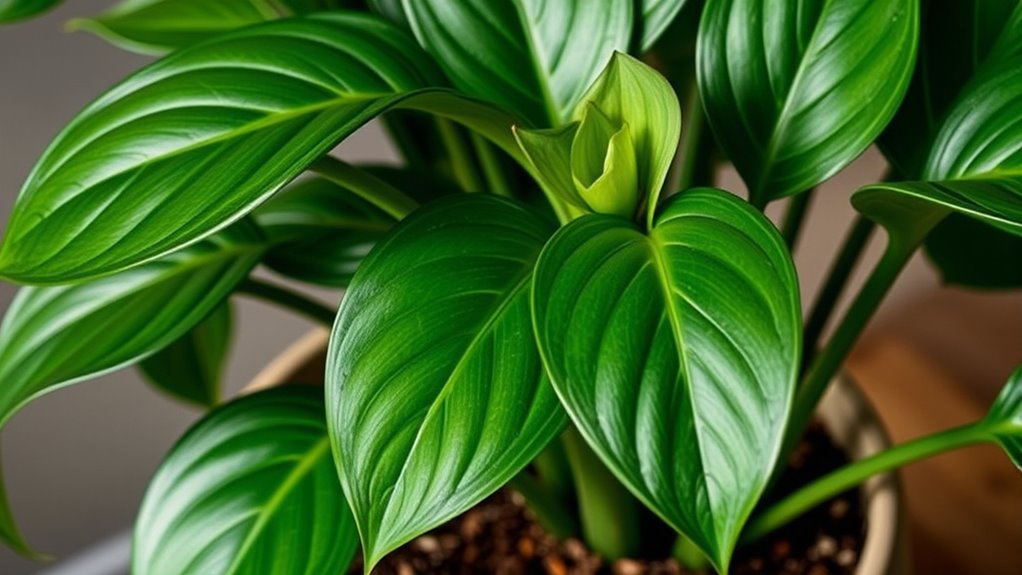
A ZZ Plant (Zamioculcas zamiifolia) is an excellent choice for those seeking a low-maintenance houseplant that adds a touch of elegance. Its thick, waxy leaves shine and create a lush, vibrant look without much effort. You don’t need to water it often—once every 2-3 weeks is enough—since it stores water in its rhizomes. It thrives in low to bright indirect light, making it perfect for almost any room. The ZZ Plant tolerates neglect, drought, and low humidity, making it nearly impossible to kill. Just avoid overwatering and don’t expose it to direct sunlight, which can scorch its leaves. With minimal care, your ZZ Plant will stay healthy and improve your space effortlessly.

16oz Peace Lily Plant Indoor Live Fertilizer – Makes 96 Gallons of Peace Lily Fertilizer – Nutrient-Rich Liquid Plant Food for Lush Foliage, Stronger Roots, and Elegant White Blooms
2X MORE VALUE: The 16 oz of HiThrive Peace Lily Plant Food makes 96 gallons of nutrient-rich indoor…
As an affiliate, we earn on qualifying purchases.
As an affiliate, we earn on qualifying purchases.
Spider Plant (Chlorophytum Comosum)
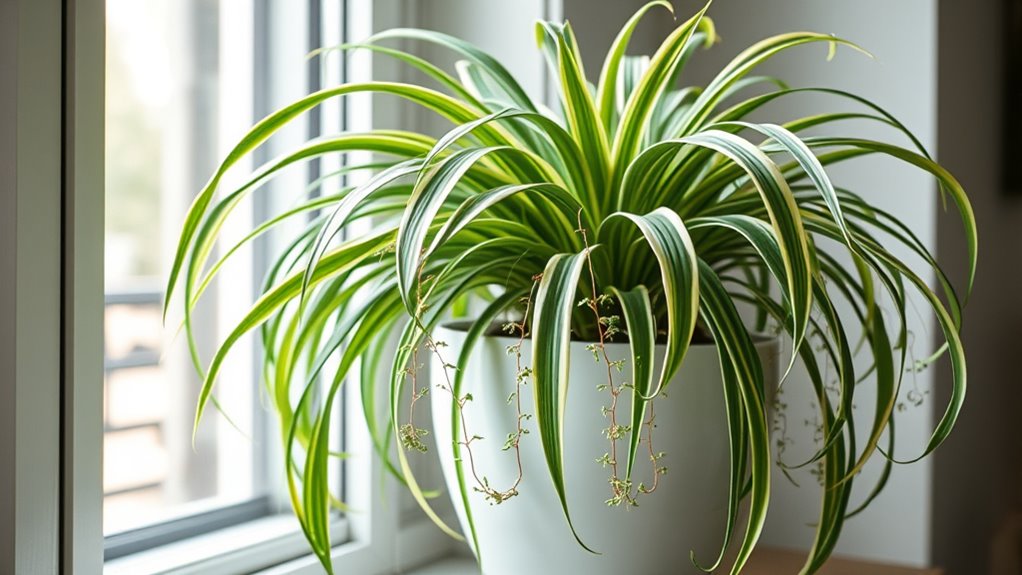
If you’re looking for a lively, easy-care houseplant, the Spider Plant (Chlorophytum comosum) is an excellent choice. Its arching, striped leaves add a splash of green and white to any space, instantly brightening your room. The plant produces long, spider-like offshoots that dangle gracefully, creating a playful, almost whimsical vibe. It thrives in bright, indirect light but tolerates lower levels, making it adaptable to various spots in your home. Water it when the top inch of soil feels dry, and it’ll reward you with minimal fuss. As it grows, it may produce tiny white flowers and baby plantlets that hang like ornaments. The Spider Plant’s forgiving nature makes it perfect for beginners and busy plant lovers alike.
Peace Lily (Spathiphyllum)
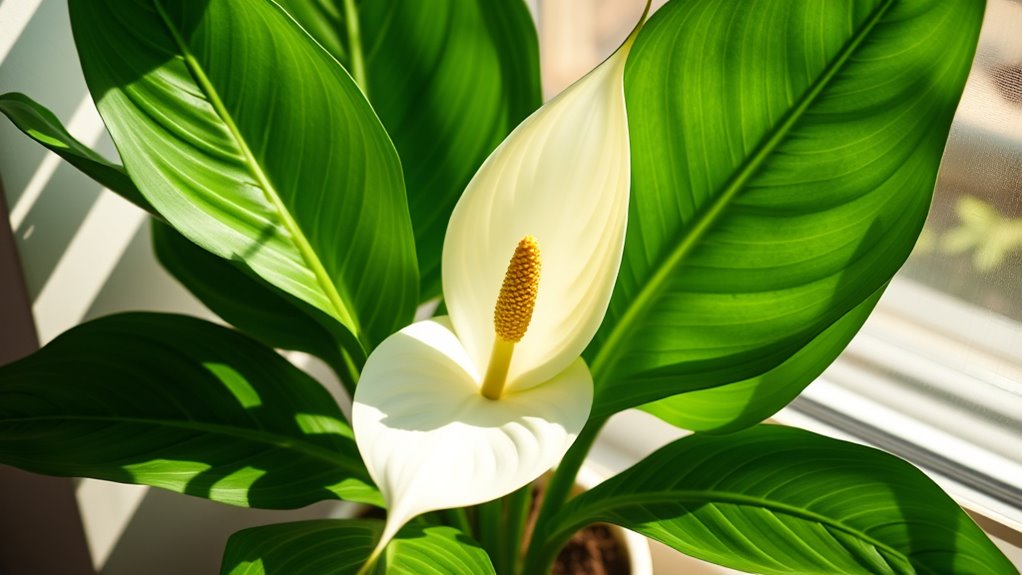
The Peace Lily (Spathiphyllum) offers a graceful addition to your home with its lush green leaves and elegant white blooms. It’s known for being low-maintenance and forgiving if you forget to water it occasionally. You should keep it in bright, indirect light—too much direct sun can scorch the leaves, but too little light might reduce blooming. Water it when the top inch of soil feels dry, and don’t let it sit in standing water. The plant also helps improve indoor air quality, making it a practical choice. If the leaves yellow, adjust your watering schedule or check humidity levels. With minimal fuss, you’ll enjoy its calming presence and occasional white flowers, making the Peace Lily an almost foolproof houseplant.
Frequently Asked Questions
How Often Should I Water These Low-Maintenance Houseplants?
You should water these low-maintenance houseplants about once every one to two weeks. Check the soil first; if it feels dry at a depth of about an inch, it’s time to water. Be careful not to overwater, as that can lead to root rot. During warmer months, you might need to water a bit more frequently, but always rely on soil dryness rather than a fixed schedule.
Can These Plants Survive in Low-Light Conditions?
Yes, these plants can survive in low-light conditions, but don’t expect them to thrive without some help. They’re resilient and adapt well, making them perfect for dim corners. However, keep an eye on their health—if you notice yellowing or drooping, they might need a bit more light or less water. With just a little attention, you’ll keep them happy and healthy, even in the darkest spots of your home.
Are These Plants Toxic to Pets or Children?
Most of these hardy houseplants are non-toxic to pets and children, making them safe choices for your home. However, it’s always best to confirm each plant’s safety, as some may cause mild irritation or discomfort if ingested. Keep an eye on curious pets and kids, and consider placing plants out of reach if you’re unsure. When in doubt, consult a vet or pediatrician to ensure your plant choices are safe for everyone.
What Is the Ideal Humidity Level for These Houseplants?
You should aim for a humidity level between 40% and 60% for these houseplants. Maintaining this range helps them thrive and stay healthy. If the air’s too dry, you can increase humidity by misting the leaves, using a humidifier, or placing a tray of water nearby. Keep an eye on your plants, and adjust the humidity as needed to make sure they stay happy and vibrant in your home.
How Can I Propagate These Plants at Home?
You can propagate these plants easily at home through stem cuttings or division. For stem cuttings, snip healthy stems just below a node, remove lower leaves, and place them in water or soil. Keep the soil moist and provide bright, indirect light. For division, gently separate the plant into sections with roots attached, then replant each section. Regularly water and care for your new plants to guarantee they thrive.
Conclusion
With these five hardy houseplants, you’re planting seeds of confidence in your green thumb. They’re like reliable friends, standing tall even when you forget to water or neglect them. As you nurture these nearly indestructible plants, you’ll see your confidence blossom just like a garden in full bloom. Remember, even the toughest plants thrive with a little attention. So go ahead, let your home be a lush oasis where these resilient friends flourish effortlessly.