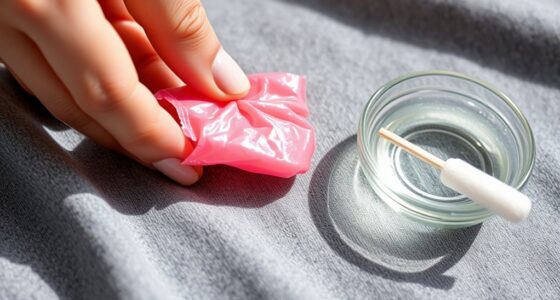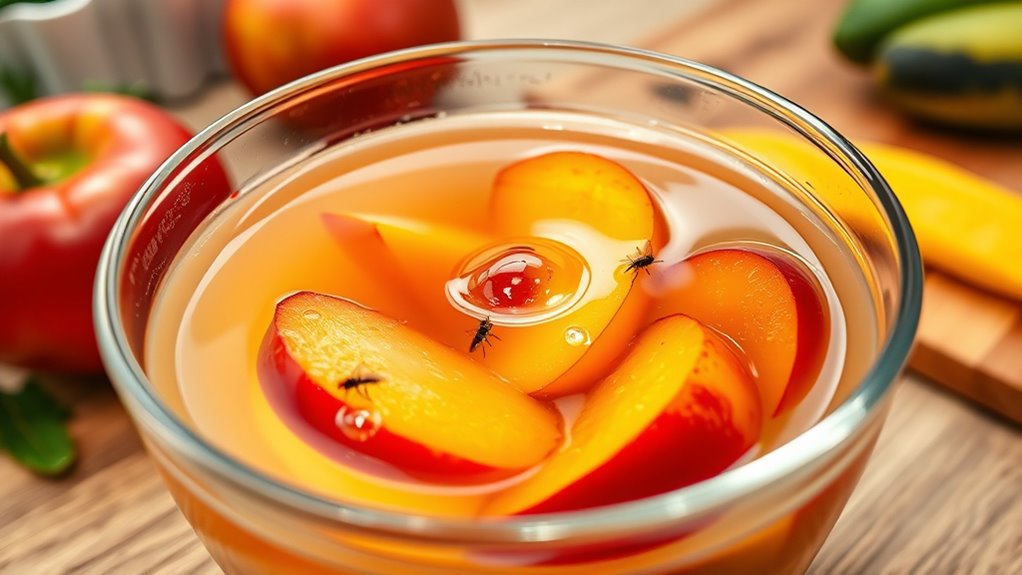

To get rid of fruit flies for good, you should set up DIY traps using vinegar and plastic wrap or paper funnels to catch the flies, while also using natural repellents like essential oils near problem areas. More importantly, maintain strict cleanliness by promptly disposing of overripe fruit, cleaning spills, and covering trash and compost bins. Combining these strategies effectively reduces current populations and prevents future infestations—continue with these tips to master complete control.

Get the little things that make your day delivered free with Prime
- Fast, free delivery on millions of items
- Prime Video, Amazon Music and more included
- Member-only deals all year
Key Takeaways
- Maintain strict cleanliness by promptly disposing of overripe fruit, spills, and regularly cleaning surfaces to eliminate attractants.
- Set up DIY fruit fly traps using vinegar, plastic wrap, or funnels to catch and reduce existing fly populations.
- Use natural repellents like essential oils around problem areas to discourage flies from settling or breeding.
- Cover or store all produce properly in sealed containers to prevent attracting fruit flies.
- Consistently monitor and refresh traps and repellents, and uphold hygiene practices for long-term control.

Fruit flies can quickly become a nuisance in your home, especially around overripe produce or spilled fruit. They seem to appear out of nowhere and multiply rapidly, making it frustrating to keep your space clean and fly-free. The good news is that you can tackle them effectively with simple methods, including DIY traps and natural repellents, without resorting to harsh chemicals.
To start, setting up DIY traps is one of the most straightforward ways to catch these tiny invaders. You don’t need fancy equipment—just a few household items. Fill a small bowl with apple cider vinegar, which attracts fruit flies due to its sweet aroma. Add a drop of dish soap to break the surface tension so the flies sink and can’t escape once they land. Cover the bowl with plastic wrap and poke small holes with a toothpick; the flies will enter through the holes but struggle to get out. You can also use a jar with a paper funnel inserted into the opening, guiding the flies into the trap. These traps are inexpensive, easy to make, and highly effective at reducing the population.
Set up DIY fruit fly traps with vinegar and plastic wrap for quick, effective pest control.
Alongside traps, natural repellents can help prevent fruit flies from settling in your kitchen. Essential oils like peppermint, lemongrass, lavender, or neem oil are potent scents that fruit flies dislike. Mix a few drops of your chosen oil with water in a spray bottle and spritz it around your countertops, trash cans, and fruit bowls. This creates a barrier that discourages flies from lingering. You can also place cotton balls soaked in these oils near problem areas for a continuous natural repellent effect.
In addition to traps and repellents, maintaining cleanliness is vital. Dispose of overripe fruit and spilled liquids promptly, and keep your counters and trash cans clean and dry. Regularly empty and wash your garbage and compost bins, as these are prime breeding grounds for fruit flies. Cover fruit bowls with lids or use perforated containers instead of leaving produce out in the open.
As an affiliate, we earn on qualifying purchases.
Frequently Asked Questions
Can Fruit Flies Live Outdoors Year-Round?
Fruit flies can live outdoors year-round if they find food sources like compost bins or exposed fruit. You should keep your compost bin sealed and avoid leaving fruit out in the open. Proper fruit storage is essential—store fruit in the fridge or in sealed containers. Regularly clean outdoor areas and remove rotting produce to prevent fruit flies from establishing themselves outdoors permanently.
Are Certain Fruits More Attractive to Fruit Flies?
Absolutely, certain fruits act like magnets for fruit flies. Ripening bananas and overripe berries release scents that call these tiny pests like a siren’s song. You’ll notice fruit flies swarm around these tempting treats, drawn in by their sweet, fermenting aroma. To keep them at bay, store ripening fruits in the fridge or throw overripe ones away promptly, cutting off their bait and breaking the cycle of their invasion.
How Long Do Fruit Flies Typically Live?
You’ll find that fruit flies typically live about 40 to 50 days, depending on factors like temperature, food availability, and humidity. Warmer environments and abundant food supply can extend their lifespan, while cooler temperatures and limited resources shorten it. By controlling these lifespan factors, you can reduce the number of fruit flies around. Keep your space clean and prevent overripe fruits to break their life cycle effectively.
Do Fruit Flies Pose Any Health Risks?
Fruit flies may seem tiny, but they can be as sneaky as a thief in the night. They pose health risks like skin irritation and disease transmission if they land on your food or skin. While not major carriers of illness, their presence can cause discomfort and worry. To protect yourself, keep your kitchen clean and eliminate breeding sites, so these pests don’t turn your home into an unwelcome battleground.
Can Fruit Fly Infestations Spread to Other Areas?
Yes, fruit fly infestations can spread to other areas if you don’t act quickly. Fruit fly behavior includes quickly moving and reproducing around ripe or decayed produce, which can lead to widespread infestation. To prevent this, focus on infestation prevention by eliminating food sources, cleaning regularly, and sealing entry points. Staying vigilant helps contain the flies and prevents them from spreading throughout your home.
natural fruit fly repellent essential oils
As an affiliate, we earn on qualifying purchases.
As an affiliate, we earn on qualifying purchases.
Conclusion
Think of your home as a peaceful garden, free of pesky fruit flies that threaten to ruin the bloom. With steady effort, you’ve built a sturdy fence of traps and cleanliness, keeping these intruders at bay. Remember, just like a vigilant gardener, your consistency is key. Keep tending to your space, and soon those fruit flies will be nothing more than a distant memory, allowing your home to flourish like a beautiful, thriving garden once again.
As an affiliate, we earn on qualifying purchases.
sealed produce storage containers
As an affiliate, we earn on qualifying purchases.
As an affiliate, we earn on qualifying purchases.
Halloween Picks
halloween
As an affiliate, we earn on qualifying purchases.