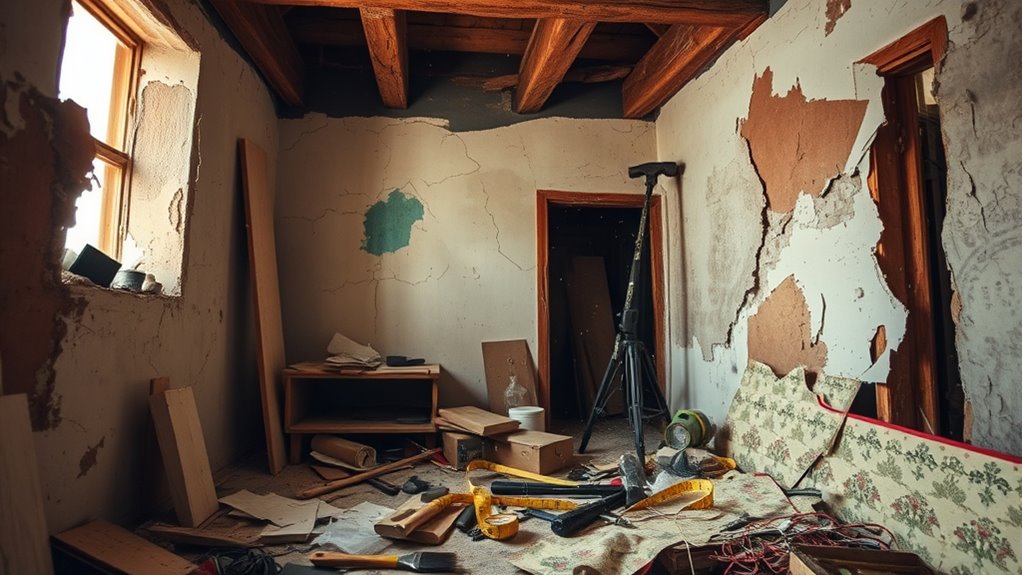

When tackling DIY renovations, you’ll often face hidden costs, like unexpected repairs for outdated wiring or water damage, and find that budgets easily spiral out of control. Patience becomes your best friend as tasks take longer than planned, and setbacks can test your resolve. Managing expectations about timeline and scope is essential to avoid frustration. Staying aware of these common pitfalls helps you navigate the process smoother—keep going, and you’ll discover more tips to succeed.
Key Takeaways
- Unexpected expenses like hidden water damage or outdated wiring can inflate your budget quickly.
- DIY projects often take longer than planned, testing patience and leading to potential frustrations.
- Skipping detailed planning increases the risk of budget overruns and missed deadlines.
- Without a contingency fund, unforeseen costs can derail your entire renovation.
- Managing expectations and staying realistic about scope and timeline helps ensure a smoother experience.
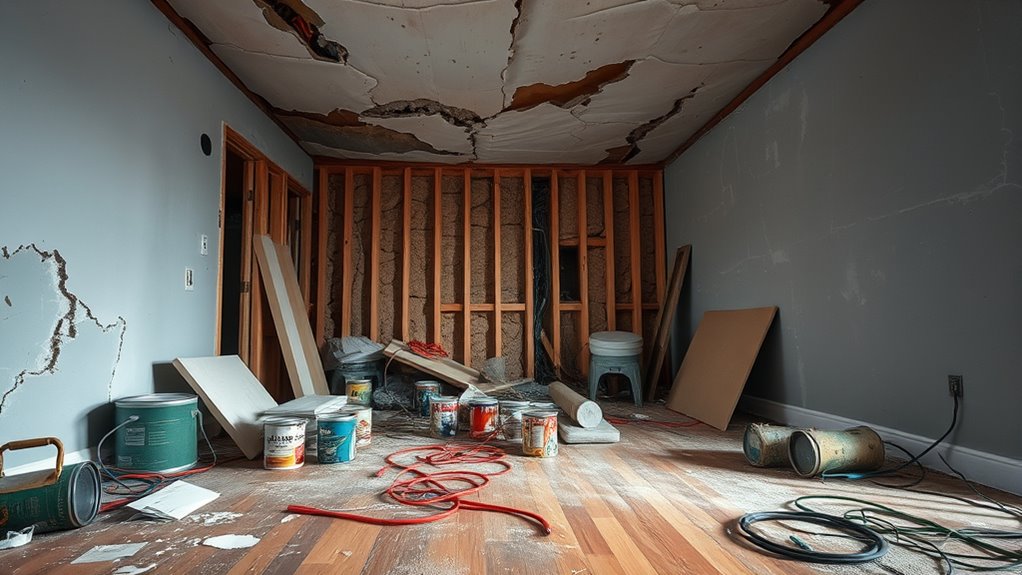
Starting a home renovation often feels exciting, but the reality quickly sets in. You envision transforming your space, saving money, and achieving that perfect look. But as soon as you plunge into the project, you realize there are many obstacles lurking beneath the surface. One of the biggest surprises is how easily budget pitfalls can sneak up on you. You may start with a clear plan and a rough estimate, but costs tend to spiral out of control. Unexpected expenses—like replacing outdated wiring, fixing hidden water damage, or buying extra materials—add up faster than you’d expect. It’s tempting to overlook these details in the beginning, thinking you’ll stay within your budget, but the truth is, without careful planning and a contingency fund, you’ll find yourself scrambling to cover costs mid-project.
Budget pitfalls can unexpectedly derail your home renovation journey.
Coupled with budget pitfalls are patience challenges that test your resolve. DIY projects demand a level of patience you might not realize until you’re knee-deep in the work. Things don’t always go as planned. You might discover that the wallpaper removal takes twice as long because the adhesive is stubborn, or that your paint color looks different once it’s on the wall. These setbacks can be frustrating, especially when you’re enthusiastic to see immediate results. It’s easy to get discouraged when progress stalls or when you realize you underestimated the time needed for each task. These challenges highlight the importance of proper planning and realistic expectations, which can make or break your project’s success. Patience becomes essential; rushing through a project often leads to mistakes that could cost more time and money to fix later.
Another patience challenge is balancing your expectations with reality. You might think a weekend is enough to finish a room, but after realizing how many steps are involved—prep work, drying time, waiting for contractors or supplies—you see that your timeline was overly optimistic. It’s tempting to push forward quickly, but rushing can compromise the quality of your work. Accepting that good things take time is vital. Sometimes, you’ll need to step back, take a deep breath, and remind yourself that patience is part of the process.
In the end, understanding these common pitfalls can help you prepare better. Knowing that budget pitfalls and patience challenges are part of the journey allows you to approach your renovation with a more realistic mindset. It’s not just about the end result but also about managing expectations along the way. While it’s easy to get caught up in the excitement, staying aware of these potential hurdles empowers you to navigate your renovation more smoothly and enjoy the process, even when it gets tough.
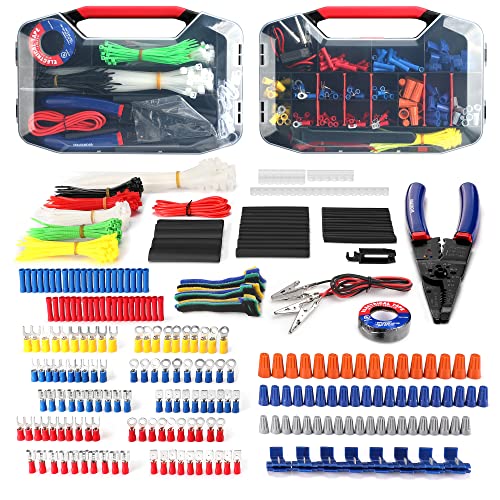
WORKPRO 582-piece Crimp Terminals, Wire Connectors, Heat Shrink Tube, Electrical Repair Kit with Wire Cutter Stripper
Assorted 582 electrical wire terminals and other accessories with transparent box for easy access
As an affiliate, we earn on qualifying purchases.
As an affiliate, we earn on qualifying purchases.
Frequently Asked Questions
How Much Should I Budget for Unexpected Renovation Costs?
You should budget at least 10-20% of your total renovation costs for unexpected expenses. Unexpected expenses often arise from hidden issues or material price increases, so contingency planning is essential. Setting aside this buffer helps you handle surprises without stressing your finances. Keep track of costs during the project, and be flexible with your plans, ensuring you’re prepared for any unforeseen challenges that come up.
What Tools Are Essential for Beginner DIY Home Renovations?
You’ll want to start with essential power tools like a drill, saw, and sander to handle most tasks efficiently. Measurement tools such as a tape measure, level, and square are vital for accuracy. These tools make your DIY projects easier and safer, ensuring precise cuts and fittings. Invest in quality, versatile tools, and learn their proper use to build your confidence and tackle home renovations effectively.
How Long Does a Typical Renovation Project Take?
A typical renovation project usually takes anywhere from a few weeks to several months, depending on the scope. You might worry about delays, but setting a clear project timeline helps you meet renovation milestones and stay on track. Keep in mind, unexpected issues can extend the timeline. Staying flexible and organized guarantees you finish your DIY project efficiently, transforming your space without unnecessary stress or setbacks.
Can I Live in My Home During Renovation?
You can live in your home during renovation, but it depends on the scope and your comfort level with temporary living arrangements. Consider your renovation timeline and how disruptive the project will be. If the work is extensive, you might want to find a temporary living situation to avoid dust, noise, and safety hazards. Planning ahead helps make certain your day-to-day life continues smoothly while your home gets a fresh new look.
How Do I Choose the Right Contractor or Helper?
Choosing the right contractor is like finding a trustworthy captain for your ship. Start with contractor selection by checking reviews, credentials, and past work. Don’t forget to ask helper tips—clarify their experience and communication style. Trust your instincts and get detailed quotes before signing anything. A good contractor will listen, respect your vision, and keep you updated. This guarantees your project sails smoothly, avoiding costly detours.

Camco Water Bandit – Features a Highly Flexible Silicone-Polymer Sleeve & ABS Male Water Hose Connection – Works with Damaged or Stripped Faucet Threads or Faucets without Threads (22484)
Stops Leaky Hose Connections: Connects your hose to unattachable water sources, allowing you to stop wasting water from…
As an affiliate, we earn on qualifying purchases.
As an affiliate, we earn on qualifying purchases.
Conclusion
Remember, about 30% of DIY projects end up costing more and taking longer than expected. But don’t let that discourage you! Embrace the chaos, learn from mistakes, and celebrate small wins along the way. DIY renovations can be incredibly rewarding, giving you a sense of pride and accomplishment. So, stay patient, keep your sense of humor, and enjoy the journey—after all, every mistake is a step closer to your perfect space.

Room By Room Project Planner: Essential Home Renovation Planner with Checklists Budgeting Tools and Room Planning Page, Home Improvement Progress By Room
As an affiliate, we earn on qualifying purchases.
As an affiliate, we earn on qualifying purchases.
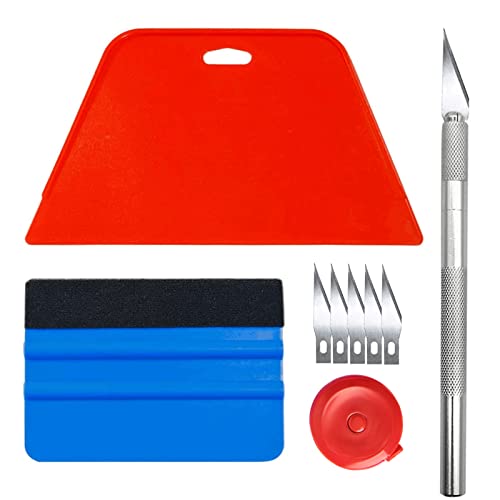
Art3d Smoothing Tool Kit for Applying Peel and Stick Wallpaper, Vinyl Backsplash Tile
【Set of basic tools】: Package includes craft art knife with 5 replaceable blades, red smoother, blue smoother with…
As an affiliate, we earn on qualifying purchases.
As an affiliate, we earn on qualifying purchases.