When a pipe bursts, act fast to shut off the main water valve to stop the flow and prevent further damage. If the valve isn’t nearby, quickly find the damaged pipe and cover it with insulation, towels, or waterproof materials like plastic bags to contain the leak. Place buckets or towels underneath to catch drips, and keep electrical appliances away. For more effective tips on managing the situation until help arrives, keep exploring these essential steps.
Key Takeaways
- Immediately locate and turn off the main water shutoff valve to stop water flow.
- Use pipe insulation, towels, or waterproof materials to temporarily cover and contain the leak.
- Place buckets or towels underneath the leak to catch drips and protect floors.
- Keep electrical devices and outlets away from water to prevent hazards.
- Contact a professional plumber for permanent repair as soon as possible.
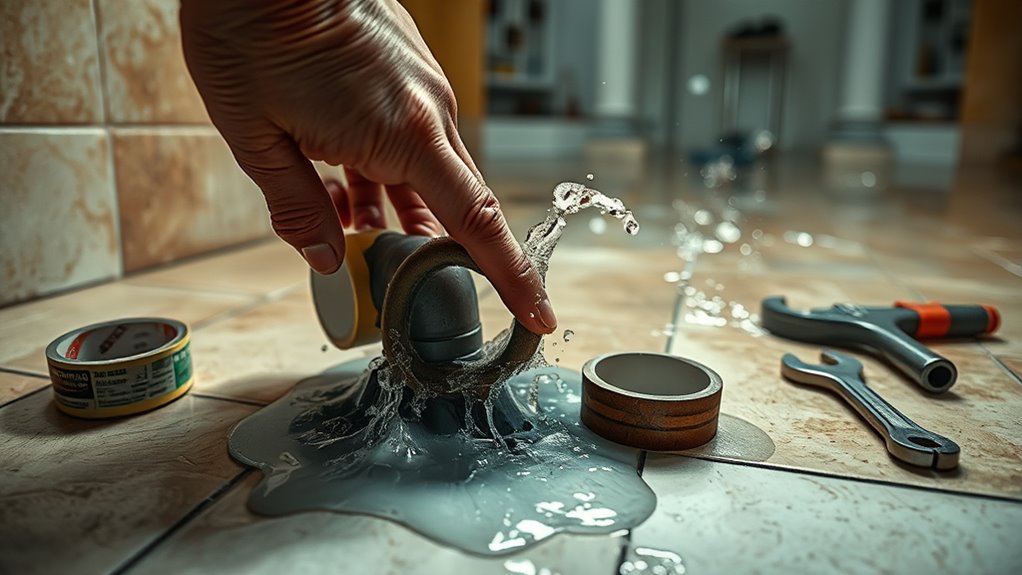
Have you ever found yourself in a pinch with no professional help available? A burst pipe can turn your home into a flood zone in minutes, and knowing what to do in that moment can save you a lot of stress and damage. The first step is to act quickly and stay calm. Your immediate goal is to minimize water flow until emergency services or a plumber arrive. To do this, you’ll need to locate the water shutoff valve. Usually, it’s near the main water line, often in the basement, utility room, or outside the house. Turning it off cuts off the water supply, preventing further flooding. If you can’t find the shutoff quickly, try to identify the affected pipe and focus on controlling water flow from there.
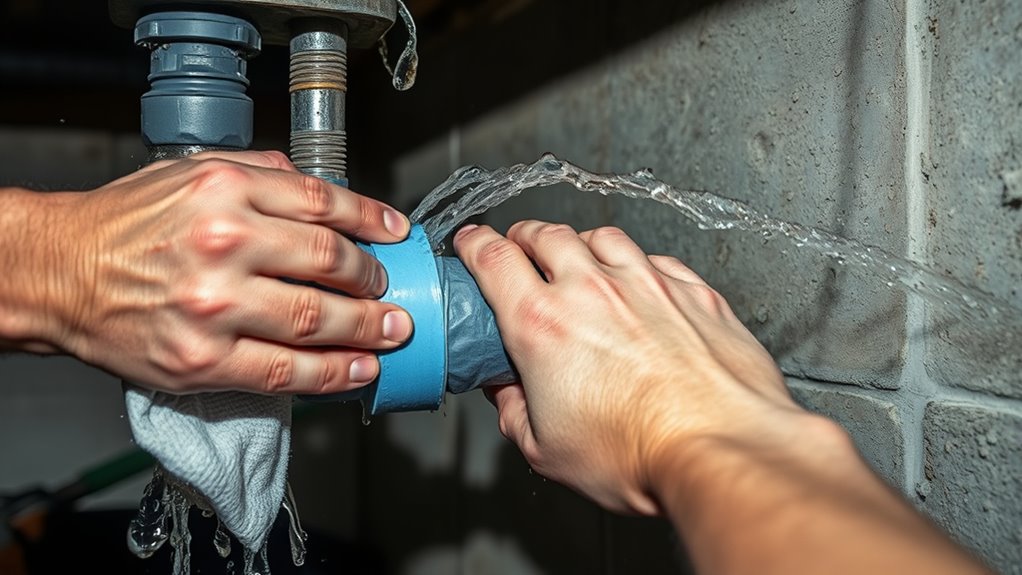
Once the water is shut off, you need to address the leak itself to prevent additional damage. One effective way is to use pipe insulation or even simple materials like a towel, cloth, or even rubber to temporarily cover the burst section. If you have pipe insulation on hand, use it to create a barrier around the damaged pipe, which can slow or stop the leak temporarily. Secure the insulation firmly with duct tape or rope, making sure it’s tight enough to block water flow. If you don’t have pipe insulation, improvise with any waterproof material you can find—plastic bags, garbage bags, or thick cloths can help. The goal is to contain the water and buy yourself time.
While addressing the leak, keep a close eye on the amount of water escaping. If you can, place buckets or towels underneath the leak to catch dripping water, preventing further damage to your floors and belongings. Remember, safety comes first—be cautious of electrical outlets, appliances, or wiring near the leak, as water and electricity are a hazardous mix. Once you’ve contained the leak as best as you can, clear the area of furniture or valuables to minimize water damage. Keep in mind, these emergency measures are temporary. Don’t try to repair the pipe yourself unless you’re confident in doing so; instead, call a plumber or emergency service for a permanent fix. Acting swiftly by shutting off the water and applying temporary insulation can considerably reduce damage until professional help arrives.
Top picks for "emergency stop burst"
Open Amazon search results for this keyword.
As an affiliate, we earn on qualifying purchases.
Frequently Asked Questions
Can I Temporarily Seal a Burst Pipe With Household Items?
Yes, you can temporarily seal a burst pipe with household items. Use pipe insulation to cover the leak and reduce water flow. Apply household sealants like waterproof tape or epoxy putty directly over the crack for a quick fix. make certain the area is dry before sealing, and remember this is only a temporary solution. Call a professional plumber as soon as possible to fix the pipe properly.
What Safety Precautions Should I Take Before Attempting DIY Repairs?
Before attempting DIY repairs, you should wear personal protective equipment like gloves and safety goggles to safeguard yourself from water and debris. Turn off the main water supply to prevent further flooding, and guarantee electrical safety by switching off power in affected areas to avoid shocks. Keep a clear workspace, avoid using electrical tools near water, and work cautiously to prevent injury. If unsure, wait for professional help.
How Long Can a Burst Pipe Go Unrepaired Before Causing Major Damage?
A burst pipe can cause major water damage within hours if left unrepaired. The longer it stays, the more likely you’ll need costly repairs and pipe insulation replacements. You should act fast—shutting off the water supply immediately can prevent further damage. While waiting for help, try to contain water with towels or buckets, but remember, prompt repair is essential to avoid extensive water damage and compromised pipe insulation.
Is It Safe to Use a Makeshift Patch on a Burst Pipe?
Proceeding with a makeshift patch might seem manageable, but it’s not the safest solution. While quick fixes can temporarily stem the stream, they often lack the secure sealing needed for long-term pipe repair. For safety considerations, avoid relying on unprofessional patchwork; instead, shut off the water, and call a plumber. Proper pipe repair guarantees safety and prevents further damage, making professional help the best choice in emergency situations.
When Should I Call a Professional Plumber Instead of DIY?
You should call a professional plumber when the damage is extensive, you’re unsure about your DIY patch, or if the leak keeps worsening. In emergency preparedness, knowing the cost estimation beforehand helps you decide quickly. Don’t risk further damage or costly repairs by delaying professional help. If safety is compromised, or if the repair involves complex plumbing, calling a licensed plumber guarantees the job gets done right and long-lasting.
Conclusion
Remember, acting quickly can save your home from water damage. While some suggest using a rubber and clamp as a quick fix, studies show that wrapping a pipe with waterproof tape or even a makeshift cloth can be surprisingly effective in a pinch. Although not a permanent solution, these methods buy you time until professional help arrives. Trust your instincts, stay calm, and take action—sometimes, simple DIY tricks really do make all the difference.