You can do small electrical tasks like replacing switches or outlets if you understand safety rules, turn off the power, and use proper tools. However, never work on high voltages, complex wiring, or unfamiliar components without proper training. Always follow safety precautions, avoid rushing, and know when to call a professional—like when sparks appear or something seems out of your skill level. If you keep exploring, you’ll learn how to do electrical work safely and correctly.
Key Takeaways
- Only attempt minor tasks like replacing switches or outlets if you’re familiar with electrical safety and local codes.
- Always shut off power at the breaker and confirm no voltage before starting any electrical work.
- Avoid working with high voltages, complex wiring, or in damp environments; leave these to professionals.
- Use insulated tools, wear protective gear, and ensure your workspace is dry to prevent accidents.
- Call a licensed electrician for complex projects, emergencies, or if you’re unsure about safety or code compliance.
Recognizing When Electrical Work Is Safe for DIY
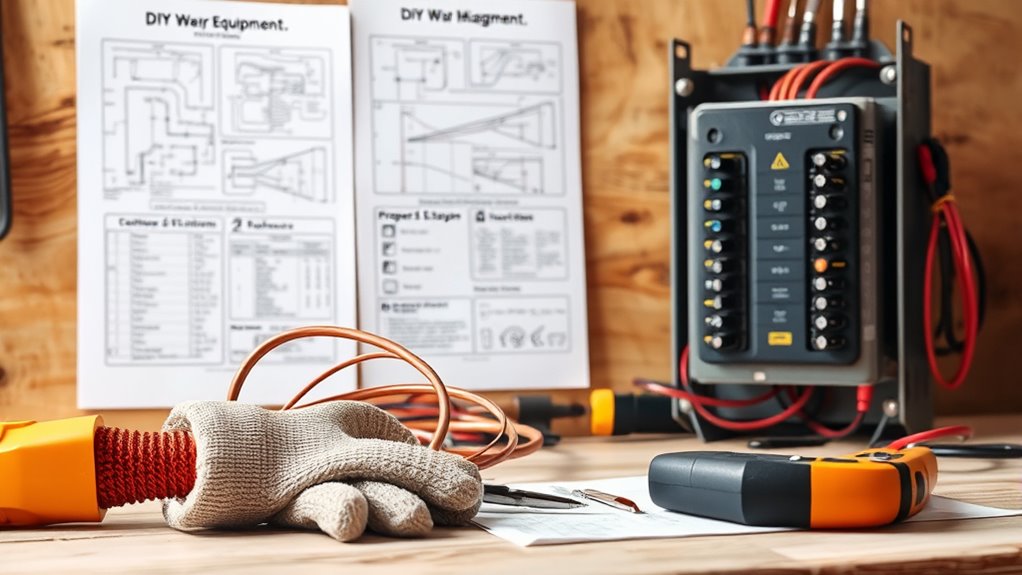
While some minor electrical tasks may seem straightforward, it’s important to recognize when DIY work is safe. If you’re comfortable with basic tools and can follow clear instructions, simple tasks like replacing a switch or outlet might be manageable. However, verify you understand your local electrical codes and have a good grasp of the task’s scope. If your project involves working with high voltages, complex wiring, or unfamiliar components, it’s best to call a professional. Never attempt work beyond your skill level, especially if you’re unsure about how to shut off power safely or if the wiring looks damaged. Recognizing your limits helps prevent accidents and ensures the job is done correctly. When in doubt, consulting a licensed electrician is always the safest choice.
Essential Safety Precautions Before Starting
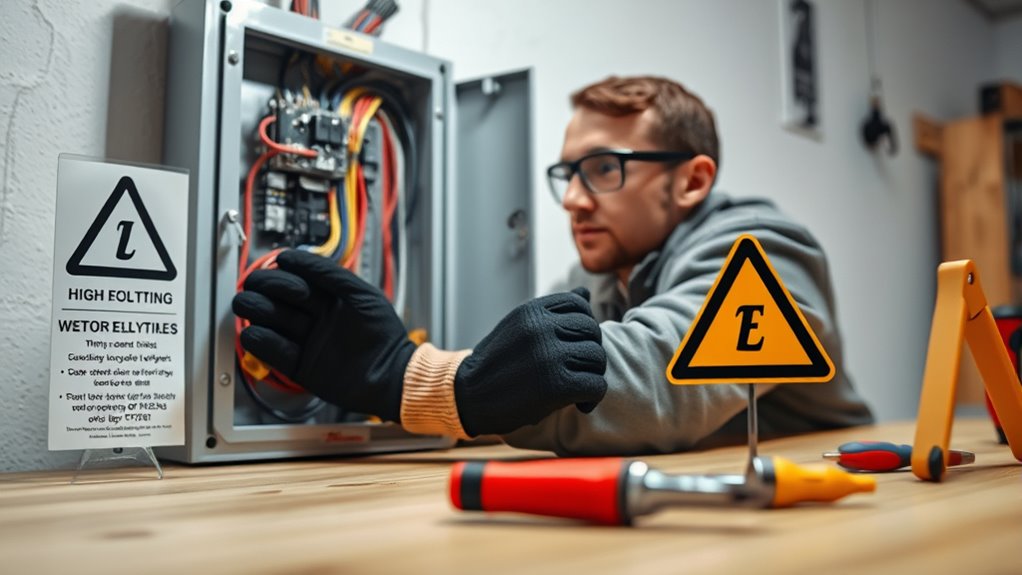
Before starting any electrical work, taking essential safety precautions can prevent accidents and guarantee your work is safe. Begin by turning off the power at the circuit breaker and using a voltage tester to confirm no electricity is flowing. Wear insulated gloves and safety goggles to protect yourself from shocks and debris. Clear the workspace of clutter to avoid trips and falls. Keep your tools insulated and in good condition. If working in damp or wet areas, ensure the environment is dry or wait until it’s safe. Always double-check that power is off before touching wires or fixtures. Remember, never bypass safety devices like circuit breakers or fuses. Prioritizing these precautions keeps you safe and helps ensure the job is done correctly.
Tasks That Are Best Left to Professionals

Some electrical tasks are simply too complex or risky to handle on your own, even with proper safety precautions. Working with high voltages, rewiring your home’s main panel, or installing new circuits requires specialized knowledge and skills. Mistakes in these areas can lead to serious injuries, fires, or code violations. Licensed electricians have the training, experience, and tools needed to do these jobs safely and correctly. Attempting them yourself can result in costly errors, or worse, endanger your life and the safety of others. If you’re unsure about the scope of a project or if it involves major electrical components, it’s best to hire a professional. Protect yourself and your home by knowing when to call in the experts.
Common Mistakes to Avoid During Electrical Projects
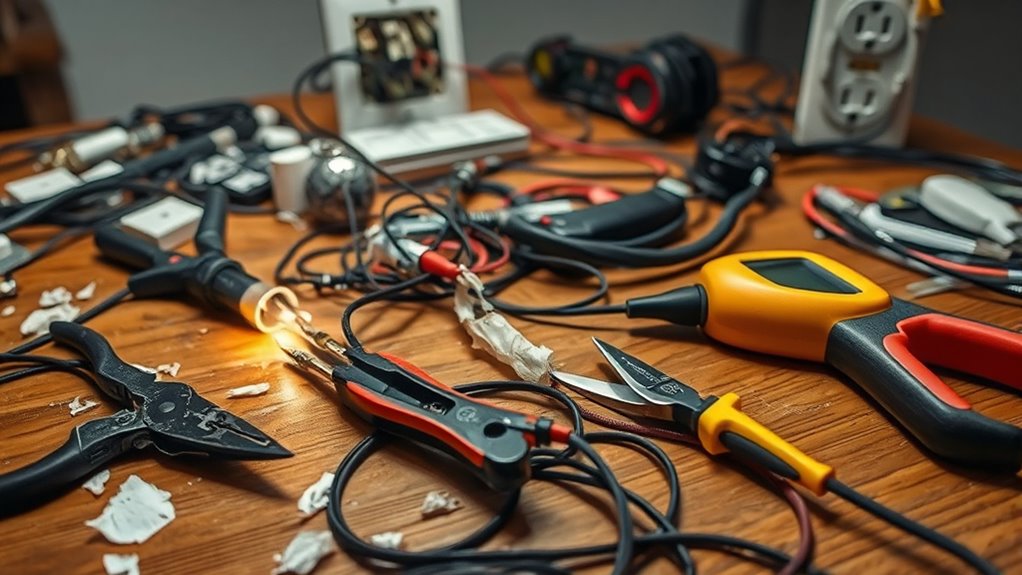
Avoiding common mistakes during electrical projects is essential for safety and success. One major error is neglecting to turn off power at the breaker, risking shocks or fires. Always double-check that the circuit is de-energized before working. Another mistake is overloading outlets or circuits, which can cause overheating and fires; plan your wiring and load carefully. Using incorrect or damaged tools can lead to improper connections or injuries—inspect everything before starting. Skipping proper grounding creates shock hazards, so ensure all systems are correctly grounded. Additionally, rushing through connections or ignoring local electrical codes increases risks of failure and safety violations. Take your time, double-check your work, and follow safety standards to minimize mistakes and keep your project safe.
How to Know When to Call a Licensed Electrician

Knowing when to call a licensed electrician is essential for your safety and the integrity of your electrical system. If you encounter sparks, burning smells, or frequently tripped circuit breakers, it’s time to stop and call a professional. Don’t attempt repairs if you’re unsure about wiring, outlet replacements, or panel work—these involve high risks. If your home’s electrical system feels outdated or if you’re planning major upgrades, a licensed electrician can ensure everything meets safety codes. Additionally, if you experience flickering lights or persistent electrical issues, it’s best to get an expert opinion. Remember, DIY might save money upfront, but when safety is at stake, professional help is the smart choice. Trust your instincts—when in doubt, call a licensed electrician.
Frequently Asked Questions
Can I Upgrade My Home’s Wiring Myself Safely?
You can upgrade your home’s wiring yourself only if you have the proper training and experience. Otherwise, it’s risky and could lead to fires or electrical shocks. Always turn off the power before working on wiring, follow local codes, and get the necessary permits. When in doubt, hire a licensed electrician. Safety should be your top priority, so don’t take unnecessary chances with electrical work.
What Are the Legal Requirements for DIY Electrical Work?
You need to follow local codes, obtain permits, and adhere to safety standards. You must check if your project requires a licensed electrician’s approval, make certain your work complies with national electrical codes, and get inspections if necessary. You should understand permit processes, documentation, and potential penalties for non-compliance. You also need to keep detailed records, follow safety protocols, and respect legal boundaries to avoid fines or safety hazards.
How Do I Identify Outdated or Dangerous Wiring?
You can identify outdated or dangerous wiring by inspecting it closely for signs like frayed insulation, discoloration, or a metallic sheen that suggests corrosion. Look for wiring that feels brittle or is loose in its connections. If you notice frequent blown fuses or tripped breakers, that’s a red flag. Always turn off power before examining, and consider consulting a professional if you’re unsure—it’s the safest way to handle potentially hazardous wiring.
Is It Cost-Effective to Hire a Professional Electrician?
Hiring a professional electrician is often cost-effective because they can identify issues quickly, prevent future problems, and guarantee everything meets safety standards. While it might seem pricey upfront, the potential costs of DIY mistakes or improper repairs can be much higher. Plus, professionals have the right tools and knowledge, saving you time and effort. Ultimately, investing in a licensed electrician protects your home and your wallet in the long run.
What Tools Are Essential for Safe Electrical DIY Projects?
You need a voltage tester, wire strippers, screwdrivers, needle-nose pliers, and insulated gloves for safe electrical DIY projects. A circuit tester helps you verify power is off, while wire strippers and screwdrivers assist in handling and connecting wires safely. Needle-nose pliers help manipulate small parts, and insulated gloves protect you from shocks. Always make certain your tools are in good condition and rated for electrical work to maintain safety.
Conclusion
So, next time you’re itching to tinker with those wires, remember—DIY electrical work isn’t exactly a walk in the park. Sure, you could risk shocking yourself or causing a fire, but hey, who doesn’t love living on the edge? When in doubt, call a pro. After all, sparking up your home shouldn’t turn into a fireworks show—unless that’s your goal. Play it safe, or enjoy the thrill of a costly mistake!