
To cut utility costs without big lifestyle shifts, focus on upgrades like smart thermostats that learn your schedule and adjust temperatures automatically. Invest in energy-efficient appliances rated ENERGY STAR to lower power use. Adopt simple habits like running full loads, unplugging unused devices, and sealing leaks around windows and doors. Adjust water heater settings and keep home systems maintained to optimize efficiency. Keep exploring for more small tweaks that can make a big difference in your bills.
Key Takeaways
- Upgrade to smart thermostats to optimize heating and cooling schedules automatically.
- Invest in energy-efficient appliances like ENERGY STAR models to reduce power consumption.
- Adopt simple habits such as running full loads and unplugging unused devices to prevent phantom energy drain.
- Adjust water heater settings to 120°F and insulate to lower energy use without sacrificing comfort.
- Regularly maintain HVAC systems and home insulation to improve efficiency and prevent unnecessary energy waste.

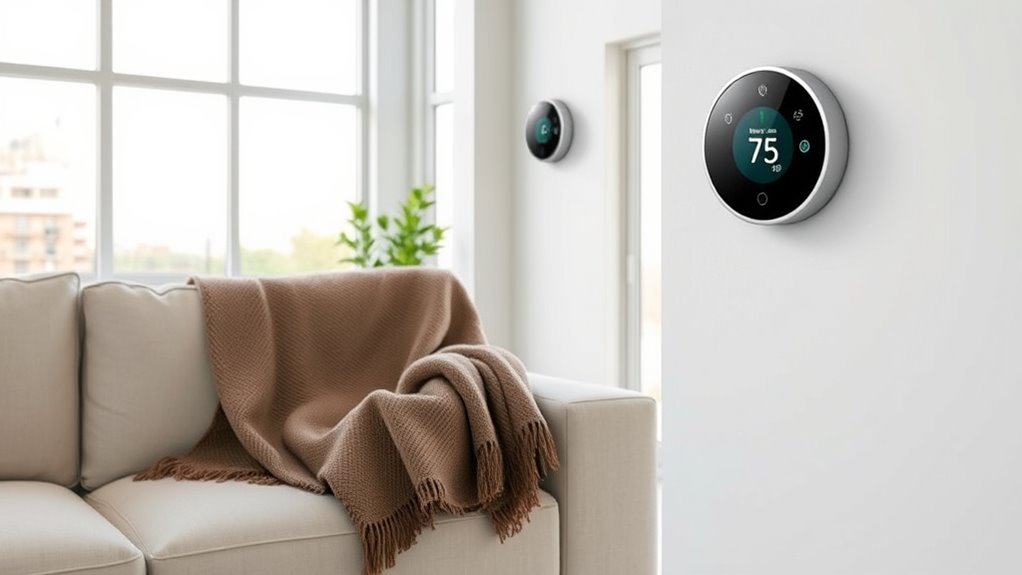
Reducing your utility bills is easier than you might think if you take proactive steps to save energy and cut costs. Small adjustments can lead to noticeable savings without requiring major lifestyle changes. One of the most effective ways to do this is by upgrading to smart thermostats. These devices learn your schedule, automatically adjusting your home‘s temperature to optimize comfort and efficiency. With a smart thermostat, you can easily set your heating and cooling to run only when needed, avoiding energy waste when you’re away or asleep. This not only lowers your monthly bills but also extends the life of your HVAC system.
Upgrade to a smart thermostat to save energy, lower bills, and extend your HVAC system’s lifespan.
Alongside smart thermostats, investing in energy-efficient appliances makes a significant difference. Modern appliances consume less power while delivering the same performance, which translates directly into savings. For example, switching out your old refrigerator, dishwasher, or washing machine for ENERGY STAR-rated models can reduce your energy use dramatically. These appliances are designed to operate more efficiently, often featuring advanced technology that minimizes unnecessary energy consumption. While the initial purchase might seem higher, the long-term savings on your utility bills quickly offset the cost.
You can also implement simple habits like running full loads in your dishwasher and laundry, and unplugging devices when they’re not in use. Many electronics draw power even when turned off, so using power strips to turn off multiple devices at once helps eliminate phantom energy drain. Additionally, sealing leaks around windows and doors prevents conditioned air from escaping, reducing the workload on your heating and cooling systems. This means your appliances and smart thermostats work more efficiently, further cutting costs.
Another quick yet effective change is adjusting your water heater settings. Lowering the temperature slightly, typically to around 120°F, can reduce energy consumption without sacrificing comfort. If possible, insulate your water heater and pipes to keep heat in, especially during colder months. These small modifications help your appliances operate more efficiently, saving you money over time.
Finally, maintaining your appliances and HVAC systems ensures they run smoothly and efficiently. Regularly cleaning filters, ducts, and vents can prevent unnecessary energy use. Being aware of the energy consumption of your home’s systems can help you identify areas for improvement and make smarter choices. By staying proactive with these upgrades and habits, you can enjoy lower utility bills without making drastic lifestyle changes. Small investments and mindful habits add up, making your home more energy-efficient and affordable to run. With these strategies, saving money on utility bills becomes simple and sustainable, giving you more financial freedom without sacrificing comfort.

ecobee Smart Thermostat Essential – Energy Star Certified programmable Wi-Fi Thermostat – Works with Siri, Alexa, and Google Assistant
Save up to 23% every year on heating and cooling costs, adjusts to your set schedule to save…
As an affiliate, we earn on qualifying purchases.
As an affiliate, we earn on qualifying purchases.
Frequently Asked Questions
Can Switching Utility Providers Save Me Money?
Switching utility providers can save you money, especially if you do billing comparisons to find better rates. Start with energy audits to identify inefficiencies in your home’s energy use. Once you understand your consumption, compare providers’ rates and plans. Switching to a more affordable provider or plan can lower your bills without major lifestyle changes, making it an easy way to save money while maintaining your current routines.
Are There Government Programs to Reduce Utility Costs?
Did you know that over 20 million households qualify for utility assistance programs? Yes, government rebates and utility assistance are available to help reduce your bills. You can apply for programs like energy assistance grants or low-income subsidies, which provide financial relief without big lifestyle changes. Check your local or federal programs; they’re designed to ease your utility costs and make managing expenses more affordable.
How Often Should I Maintain Appliances for Efficiency?
You should perform regular appliance maintenance, ideally every 3 to 6 months, to keep them running efficiently. Follow efficiency tips like cleaning filters, checking for leaks, and inspecting vents. Keeping appliances well-maintained reduces energy consumption, saving you money on utility bills. Staying proactive with appliance maintenance ensures they operate smoothly and efficiently, preventing costly repairs and unnecessary energy waste. Consistent upkeep is a simple way to cut costs without major lifestyle changes.
Do Smart Home Devices Significantly Lower Utility Bills?
Ever wondered if smart home devices can really cut your utility bills? They definitely can, offering significant energy savings by optimizing heating, cooling, and lighting. With smart thermostats and automated lighting, you control your energy use more precisely, avoiding waste. This not only reduces costs but also boosts convenience. So, yes, investing in a smart home setup can make a noticeable difference in your utility expenses, all while simplifying your daily routines.
What Are the Best Time-Of-Use Billing Options Available?
You should explore time-of-use billing options offered by your utility provider, which charge lower rates during off-peak hours and higher rates during peak hours. By adjusting your energy consumption to off-peak times within billing cycles, you can save money. Check if your provider offers flexible plans or peak-hour discounts, and plan your high-energy activities accordingly to maximize savings without changing your daily routines considerably.

KAZE APPLIANCE SNP100 | 100 CFM | 0.8 Sone | Energy Star Certified | No Attic Access Required | Bathroom Ventilation Exhaust Extractor Fan
CR SMART BUY – Rated on Consumer Reports’ “Best Bathroom Exhaust Fans of 2024” list, the Kaze Appliance…
As an affiliate, we earn on qualifying purchases.
As an affiliate, we earn on qualifying purchases.
Conclusion
By making small adjustments, you can cut your utility bills considerably without overhauling your lifestyle. For example, simply turning off unused lights and fixing leaks can save you up to 10% on energy costs annually. Imagine the impact—saving enough to treat yourself to a nice dinner or new gadget. Every little effort adds up, so start today and watch your savings grow without sacrificing comfort or convenience.
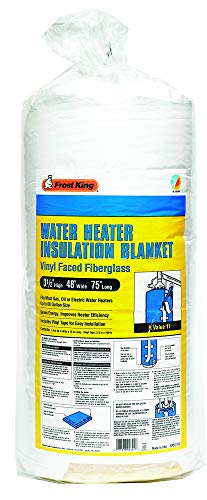
Frost King SP57/11C All Season Water Heater Insulation Blanket, 3” Thick x 48” x 75”, R10
Vinyl backed fiberglass insulation blankets are designed for gas, oil or electric water heaters up to 60 gallon…
As an affiliate, we earn on qualifying purchases.
As an affiliate, we earn on qualifying purchases.

Insulate and Weatherize: For Energy Efficiency at Home (Taunton's Build Like a Pro)
As an affiliate, we earn on qualifying purchases.
As an affiliate, we earn on qualifying purchases.