
Home automation helps you stay safe, comfortable, and independent by making technology easy to use. Voice assistants let you control lights, appliances, and reminders with simple commands, while security sensors alert you to any unusual activity. These systems work together seamlessly, creating a safer home environment tailored for your needs. As technology advances and becomes more affordable, more seniors can benefit. Keep going to discover how these innovations can fit into your life seamlessly.
Key Takeaways
- Use voice assistants to enable hands-free control of lights, appliances, and reminders, reducing physical effort for seniors.
- Incorporate security sensors to monitor movement and door activity, providing real-time alerts and enhanced safety.
- Design user-friendly interfaces and automation systems that require minimal technical knowledge, ensuring accessibility.
- Integrate smart devices for routine tasks like thermostat adjustment and door locking to promote independence.
- Combine automation with remote monitoring for peace of mind and continuous support from caregivers.
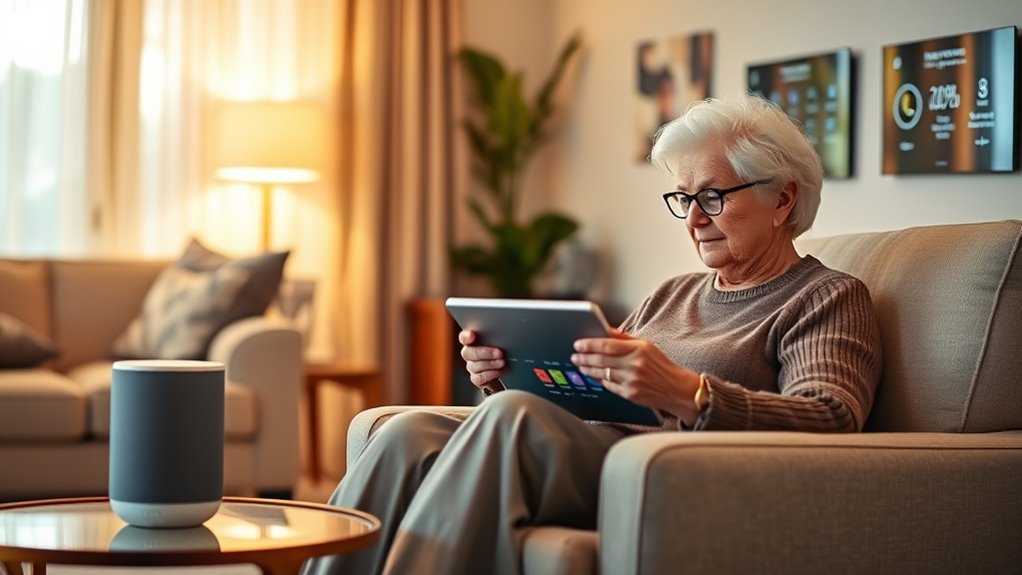
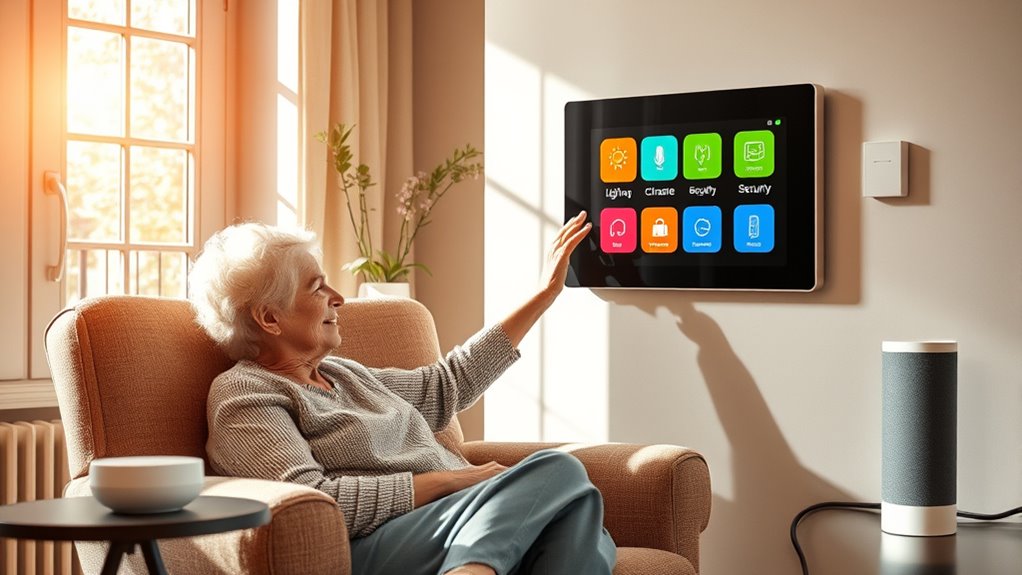
Home automation has become an essential tool for enhancing safety, comfort, and independence as more seniors choose to age in place. With the right technology, you can manage daily tasks more easily and reduce risks that come with aging. Voice assistants are at the forefront of this revolution, allowing you to control lights, appliances, and even set reminders simply by speaking. Instead of searching for switches or fumbling with remotes, you just say what you need, making your home more accessible. For example, if you want to turn on the lights at night or check the weather, a voice assistant responds instantly, giving you more control without physical effort. This hands-free approach reduces frustration and helps maintain your independence longer.
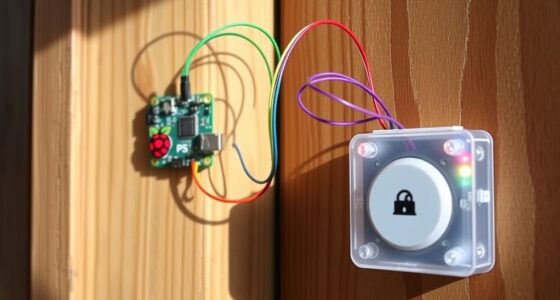
Security sensors are another crucial element in home automation for seniors. These sensors can detect movement, monitor door and window activity, and alert you or a caregiver if something unusual happens. Imagine feeling safe knowing that if an unexpected door opens or there’s unusual movement when you’re alone, your security system immediately notifies you or emergency services. These sensors work silently in the background, providing peace of mind by continuously monitoring your environment. They can be integrated with your smartphone or a central hub, so you’re always aware of what’s happening at home. For seniors with mobility issues, security sensors minimize the need for constant manual checks, allowing you to rely on technology to keep an eye on your home effortlessly.
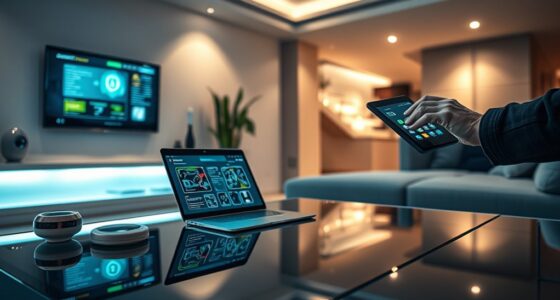
Combining voice assistants and security sensors creates a seamless ecosystem that makes your home safer and more manageable. You can ask your voice assistant to check the status of security sensors, ensuring everything is secure without leaving your chair. When you’re feeling unwell or need assistance, you can voice your needs directly, activating emergency protocols or calling for help. These smart systems can also be programmed to perform routine tasks, like adjusting the thermostat or locking doors, at specific times, giving you a sense of routine and control. Over time, these devices learn your preferences, making them more intuitive and easier to use.
Incorporating voice assistants and security sensors into your home isn’t just about convenience—it’s about creating a safer, more autonomous life. The technology is designed to be user-friendly, so you don’t have to be tech-savvy to benefit from it. Instead, you can focus on enjoying your home and your independence, knowing that your environment is smarter and more secure. As these tools become more advanced and affordable, more seniors are discovering how they can enhance their quality of life through simple, effective automation solutions. For example, integrating home automation technologies like sensors and voice controls can significantly improve your safety and peace of mind.
Frequently Asked Questions
How Affordable Are Home Automation Systems for Seniors?
Home automation systems for seniors can be quite affordable, especially when you compare costs across different options. The cost comparison reveals that basic setups are often budget-friendly, while more advanced systems may require a higher investment. Affordability factors include the level of automation needed, installation costs, and ongoing maintenance. With careful planning, you can find a system that fits your budget and enhances safety and convenience for your loved ones.
Are These Devices Easy for Seniors to Learn and Operate?
You might be surprised, but many home automation devices are designed with a simple user interface, making them easy for you to learn and operate. While there’s a learning curve initially, most systems come with clear instructions or voice control features that help you get comfortable quickly. With a little patience, you’ll find these devices intuitive, enhancing your independence without causing frustration.
What Privacy Concerns Come With Home Automation for Elders?
You should be aware that privacy concerns with home automation for elders involve data security risks and the need for clear consent protocols. Devices collect personal information, so ensuring strong security measures protects your loved one’s data. Always review privacy policies and establish consent protocols to guarantee they understand what data is collected and how it’s used. Staying proactive helps safeguard their privacy while enjoying the benefits of automation.
How Can Automation Adapt to Seniors’ Changing Needs?
You can guarantee automation adapts to your changing needs by choosing systems with adaptive interfaces and customizable features. These tools allow you to easily modify settings, add new devices, or simplify controls as your abilities evolve. Regularly updating your automation setup helps you stay comfortable and secure, while personalized options ensure the technology remains intuitive and supportive, empowering you to maintain independence and confidence at home.
Do These Systems Require Professional Installation or Maintenance?
You might think these systems need a tech wizard, but surprisingly, installation concerns are minimal. Most home automation devices are designed for DIY setup, making them user-friendly. Maintenance requirements are also straightforward, often involving simple updates or battery replacements. While professional installation can be helpful for complex setups, many seniors can confidently manage basic maintenance, ensuring the system stays reliable without turning into a full-time job.
Conclusion
By embracing home automation, you can create a safer, more comfortable space for seniors, allowing them to enjoy independence and peace of mind. Imagine a future where technology serves as a loyal butler, guiding your loved ones with gentle assistance. Just like the trusty steed of yesteryear, these smart devices become faithful companions, ensuring safety and convenience. With these tools, you help craft a home where seniors can thrive, feeling cherished and secure every day.