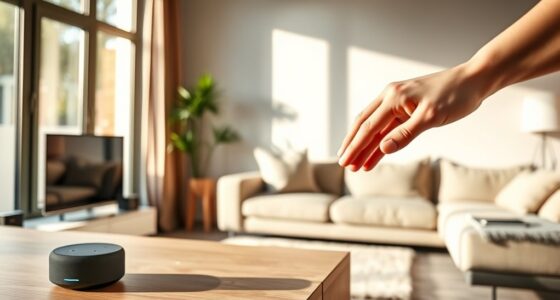
Smart devices can definitely boost your home’s value by improving energy efficiency, security, and modern appeal. Installing features like smart thermostats, lighting, and security systems can make your property more attractive to buyers looking for convenience and safety. These upgrades showcase a home’s tech-forward features and savings, often leading to higher offers and faster sales. Want to turn your house into a smarter, more valuable investment? Keep exploring to learn how smart technology can maximize your home’s worth.
Key Takeaways
- Smart devices enhance energy efficiency, reducing utility costs and appealing to eco-conscious buyers, which can boost property value.
- Security features like cameras and smart locks increase home safety, making the property more attractive to buyers.
- Upgraded smart technology signals a modern, well-maintained home, potentially increasing market value and marketability.
- Smart home systems improve daily convenience and functionality, appealing to tech-savvy and convenience-seeking buyers.
- Incorporating smart devices can lead to higher offers and faster sales by highlighting the home’s advanced features.
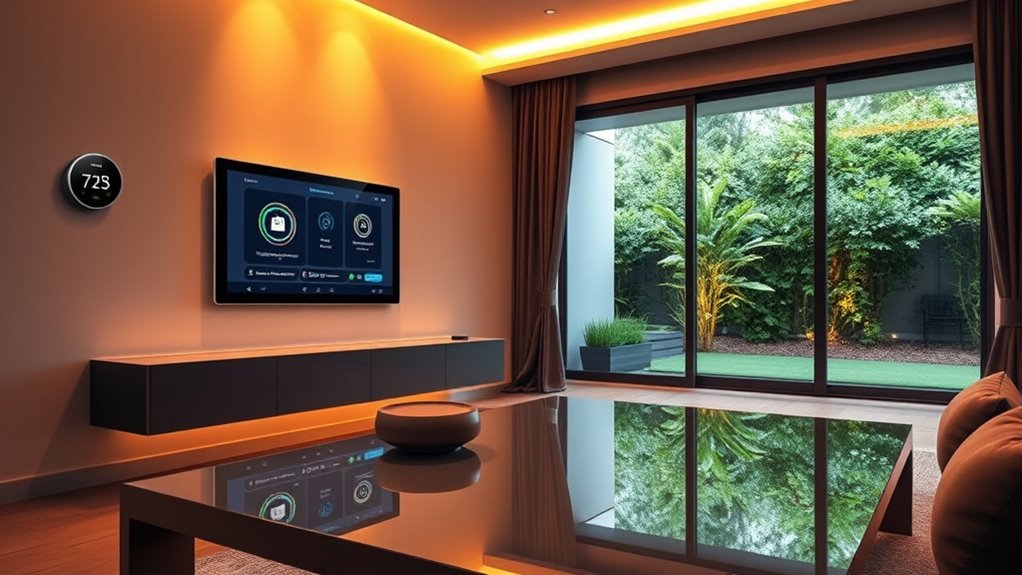
Smart devices are increasingly transforming homes, making them more convenient, efficient, and secure. When you incorporate these technologies into your property, you’re not only enhancing daily living but also potentially boosting its overall value. One of the key benefits of smart devices is their ability to improve energy efficiency. By integrating smart thermostats, lighting, and appliances, you can optimize energy consumption, reducing utility bills and appealing to environmentally conscious buyers. For example, a smart thermostat learns your schedule and adjusts temperature settings accordingly, ensuring your home isn’t wasting energy when you’re away or asleep. Smart lighting systems can be programmed to turn off automatically when rooms are unoccupied or to adjust brightness based on natural light, further reducing unnecessary energy use. These features demonstrate your home’s commitment to sustainability, which increasingly influences buyers’ purchasing decisions and can enhance your property’s market appeal. Additionally, smart HVAC systems can provide zoning capabilities, allowing different areas of your home to be heated or cooled independently, further increasing efficiency and comfort.
Beyond energy savings, smart devices profoundly contribute to security enhancement. Modern security systems with smart cameras, doorbells, and locks allow you to monitor your home remotely through your smartphone, giving you peace of mind whether you’re at home or away. You can receive real-time alerts if suspicious activity is detected or if someone rings your doorbell. Smart locks enable you to grant temporary access to guests or service providers without the need for physical keys, adding convenience and control. These security features not only protect your property but also make it more attractive to prospective buyers who prioritize safety. When a home is equipped with advanced security solutions, it can stand out in a competitive market, potentially leading to faster sales and higher offers.
Adding smart devices can also enhance your home’s overall functionality, which indirectly influences its value. Automated systems streamline daily routines, making your home more appealing to tech-savvy buyers. They also demonstrate that your property is modern and up-to-date, reducing the perception of outdated infrastructure that might discourage potential buyers. While the investment in smart technology can vary, many devices are affordable and easy to install, making it a practical upgrade that delivers tangible benefits. When you communicate these upgrades effectively, highlighting energy efficiency and security enhancement, you’re positioning your home as a smart investment. Buyers are increasingly looking for homes that save money and offer peace of mind, and smart devices check both boxes.
Frequently Asked Questions
Do Smart Devices Require Professional Installation?
Smart devices often don’t require professional installation, especially if you’re comfortable with DIY projects. Many devices, like smart thermostats or lights, come with user-friendly instructions and tools, making DIY installation feasible. However, for more complex setups or integrated systems, it’s wise to take into account professional services to ensure everything functions correctly and safely. Ultimately, assess your skills and the device’s complexity before deciding if you need professional help.
How Do Smart Devices Impact Home Insurance Premiums?
Smart devices can lower your home insurance premiums by offering insurance discounts, as they help with risk mitigation. When you install security cameras, smart alarms, or smoke detectors, insurers see your home as less vulnerable to theft or damage. This proactive approach to protecting your property can lead to reduced rates, rewarding you for taking steps to make your home safer and less risky for insurers.
Are Smart Devices Compatible With Existing Home Systems?
Yes, smart devices often are compatible with existing home systems, especially if you opt for popular brands supporting standard protocols like Zigbee or Z-Wave. When considering home automation, check device compatibility to guarantee seamless integration. You can usually connect smart devices to your current Wi-Fi or hub, making upgrades straightforward without needing extensive rewiring or new infrastructure. This compatibility helps you create a cohesive smart home ecosystem effortlessly.
What Are the Privacy Concerns With Smart Home Devices?
You should consider privacy risks and data security when using smart home devices. These devices collect personal information, which hackers could access if not properly secured. Always update firmware, change default passwords, and use strong encryption. Be aware that some manufacturers may share data with third parties. Staying vigilant helps protect your privacy and keeps your smart home secure, giving you peace of mind while enjoying the convenience.
Can Smart Devices Reduce Energy Costs Significantly?
Imagine gently easing your energy expenses—smart devices can do just that. They optimize your home’s energy savings by adjusting heating, cooling, and lighting automatically, leading to significant cost reduction over time. With smart thermostats and energy monitors, you gain control and awareness, making your home more efficient. Embracing this technology not only conserves resources but also helps lower your utility bills, creating a more sustainable and budget-friendly living environment.
Conclusion
So, if you want to turn your humble abode into a futuristic palace and maybe impress your neighbors with your high-tech gadgets, go ahead and install those smart devices. Who knows? Maybe someday, your home’s value will skyrocket just because it can tell you when you’re out of milk. Just remember, in the race for property value, a smart fridge might just be the newest gold mine—until it starts giving you attitude.