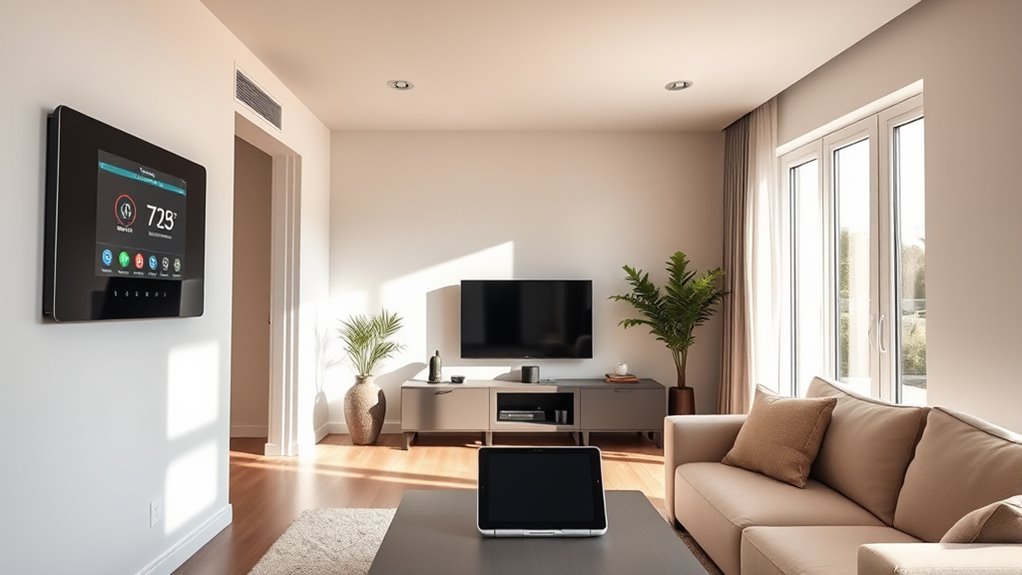

If you find yourself manually adjusting thermostats, juggling multiple apps, and dealing with outdated and insecure home systems, it’s time for a smart upgrade. Rising energy bills and inefficient devices indicate a need for smarter solutions that save money and improve control. If your home lacks automation and remote access, it’s worth considering integration for better convenience and security. Keep going to discover more signs that your home is primed for a modern upgrade.
Key Takeaways
- Manual adjustments and multiple app dependencies cause frustration and inefficiency.
- Rising energy bills indicate outdated systems lacking energy-saving features.
- Lack of remote security monitoring and control increases vulnerability and worry.
- Devices don’t communicate, limiting automation and centralized control.
- Home systems feel outdated or insecure, signaling the need for a smarter, integrated setup.
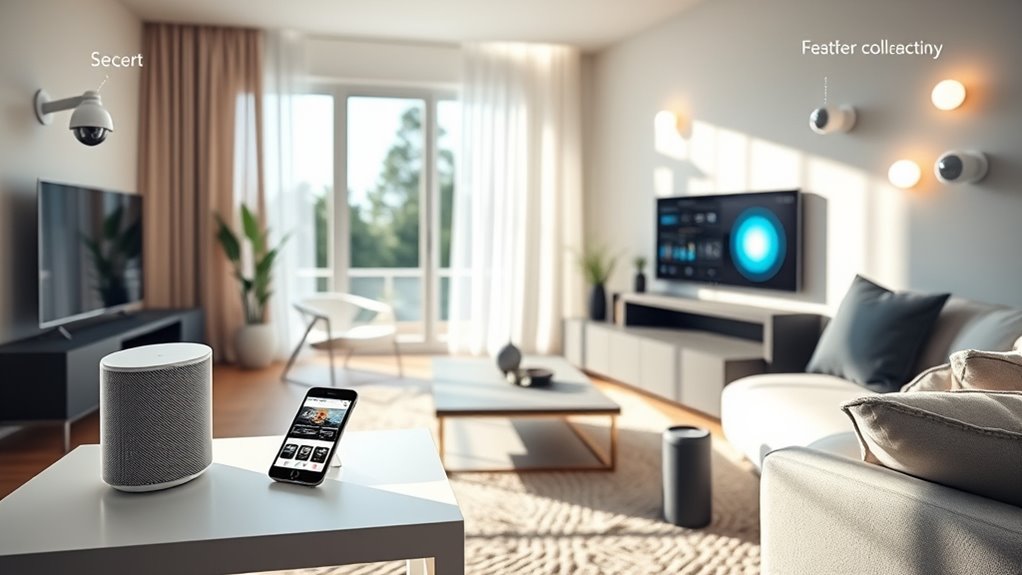
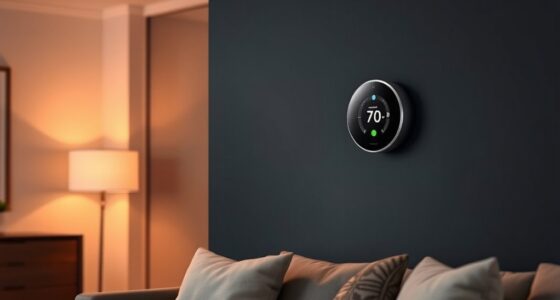
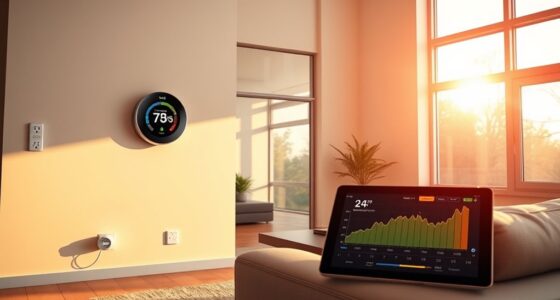
Upgrading to a smart home can considerably improve your daily life, but recognizing the right signs can help you decide when it’s time to make the leap. If you’re constantly adjusting thermostats, manually locking doors, or juggling multiple apps for different devices, it might be a clear signal that your home is ready for smarter solutions. Smart home technology offers significant benefits, especially in terms of energy efficiency and security enhancement, making your living space more comfortable and safer. When you notice that your energy bills are rising or that your heating and cooling systems seem inefficient, it’s a good indicator you could benefit from smart thermostats. These devices learn your schedule, optimize energy use, and help you reduce waste, ultimately saving you money and environmental impact. If you’re frequently away and worried about home security, upgrading your locks, cameras, and alarm systems to smart versions provides peace of mind. Remote access allows you to monitor and control your home from anywhere, ensuring that doors are locked and valuables are protected even when you’re not there.
You might also observe that your current systems lack integration, causing frustration and inefficiency. A smart home system consolidates control into a single app or voice command, streamlining your daily routines. If your existing devices don’t communicate with each other, you may be missing out on automation opportunities that can make your life easier. For example, smart lighting that adjusts based on occupancy or time of day can enhance security by simulating presence when you’re away, deterring potential intruders. Additionally, if your current setup doesn’t support energy-efficient appliances or doesn’t allow for remote management, it’s a sign that a smart upgrade could be beneficial. These improvements not only help conserve resources but also offer convenience and peace of mind.
Another sign you might be ready for a smart home upgrade is if you find yourself overwhelmed by multiple remote controls or manual adjustments. Smart systems can centralize control, allowing you to manage everything from your smartphone or voice assistants, simplifying your routines. If you’re concerned about safety, smart sensors can alert you to leaks, smoke, or unusual activity instantly, greatly enhancing your home’s security. Overall, when your current home setup starts to feel outdated, inefficient, or insecure, it’s a clear sign that embracing smart technology can make a meaningful difference. Recognizing these signs early ensures you can enjoy the full benefits of a smarter, safer, and more energy-efficient home.
Top picks for "sign home ready"
Open Amazon search results for this keyword.
As an affiliate, we earn on qualifying purchases.
Frequently Asked Questions
How Much Does a Full Smart Home Upgrade Typically Cost?
A full smart home upgrade usually costs between $10,000 and $50,000, depending on the devices and systems you choose. To get started, do a thorough cost estimation and budget planning, considering smart lighting, thermostats, security, and automation. The actual cost varies based on the complexity and size of your home, so prioritize your needs and work with professionals to stay within your budget while maximizing convenience and security.
What Are the Best Smart Devices for Beginners?
If you’re just starting with smart devices, go for voice assistants like Amazon Echo or Google Nest, which make controlling everything easy. Smart lighting, such as Philips Hue or LIFX, is also beginner-friendly and instantly upgrades your home’s ambiance. These devices are simple to install, require minimal setup, and work well together, giving you a smooth introduction to smart home technology without feeling overwhelmed.
Can Existing Wiring Support Smart Home Technology?
Think your home’s wiring is ready for a smart upgrade? Think again! A wiring inspection is essential because existing wiring might not support your smart devices. If your wiring isn’t up to snuff, wireless alternatives like Wi-Fi or Zigbee can save the day. Don’t gamble on outdated wiring—get it checked first, so your smart tech works seamlessly and you stay connected without sparks flying!
How Secure Are Smart Home Systems From Hacking?
Smart home systems are generally secure, but cybersecurity vulnerabilities exist if you don’t take proper precautions. Hackers can exploit weak passwords or outdated firmware, risking your privacy concerns. To stay safe, use strong, unique passwords, enable two-factor authentication, and keep your devices updated. Regularly monitor your network for suspicious activity. With these steps, you can considerably enhance your smart home’s security and protect your personal information from potential threats.
Is Professional Installation Necessary for Smart Home Devices?
Sure, you can try DIY installation, but why risk turning your smart home into a tech circus? Professional support isn’t just a luxury; it’s a smart move. Experts ensure proper setup, security, and integration, saving you headaches and potential vulnerabilities. Relying solely on DIY could leave your devices misconfigured or exposed. So, for peace of mind and seamless smart home experience, investing in professional installation is your best bet.
Conclusion
If you notice these signs, your home is ready for a smart upgrade. If your devices are outdated, if your energy bills are rising, if you seek convenience, if you crave security, or if you just want to stay connected, then it’s time to embrace smart technology. Upgrading your home means enhancing comfort, increasing efficiency, and simplifying your life. Don’t wait—step into the future and make your home smarter, safer, and more connected today.