A poorly planned smart home can silently drain your budget through energy inefficiency, security vulnerabilities, and high maintenance costs. Misconfigured devices use more power, increasing your bills, while weak security allows cyber threats that can lead to costly damages. Incompatible systems can break down more often, requiring pricey repairs. Skipping a solid plan means future upgrades become expensive and frustrating. Keep these pitfalls in mind, and you’ll discover how to avoid hidden expenses that threaten your smart home’s benefits.
Key Takeaways
- Poor calibration and setup increase energy bills due to inefficiency and prolonged device operation.
- Inadequate security measures expose devices to hacking, risking personal data and potential damages.
- Incompatible devices lead to frequent malfunctions, escalating maintenance and repair costs.
- Lack of proper planning complicates future upgrades, making retrofits expensive and disruptive.
- Neglecting comprehensive setup results in hidden expenses, reducing smart home benefits and overall savings.
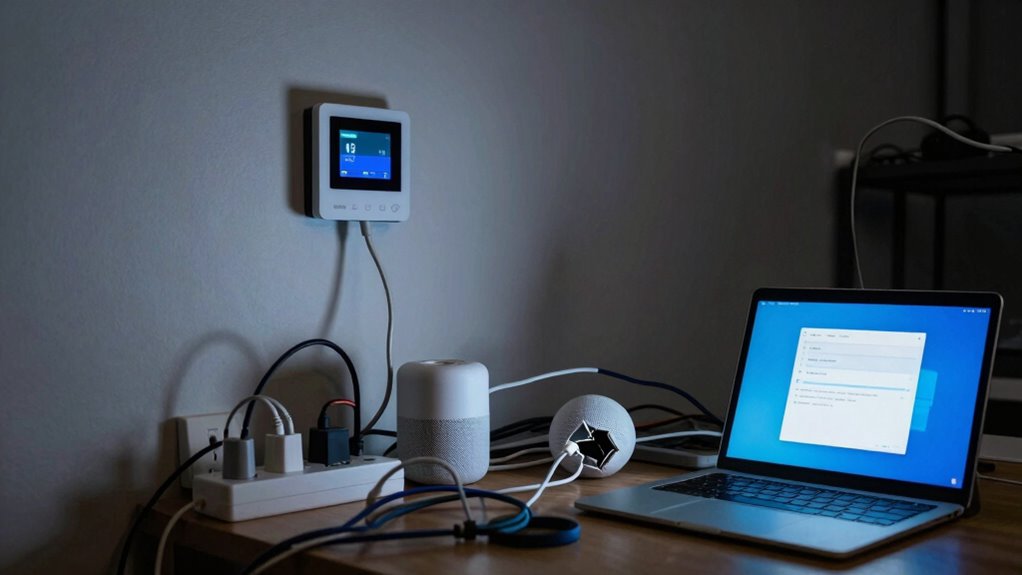
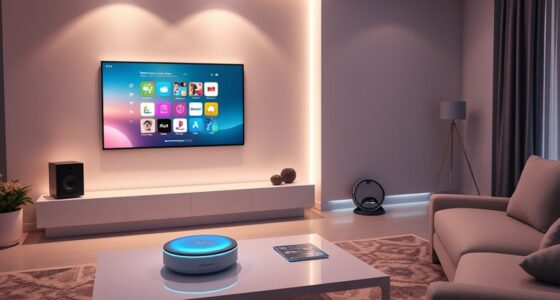
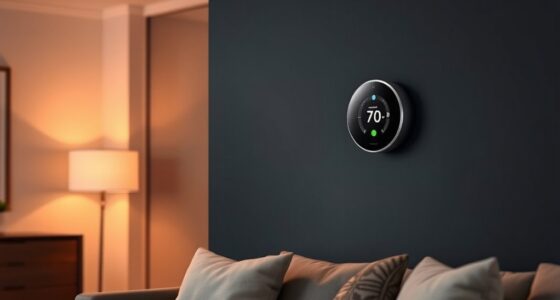
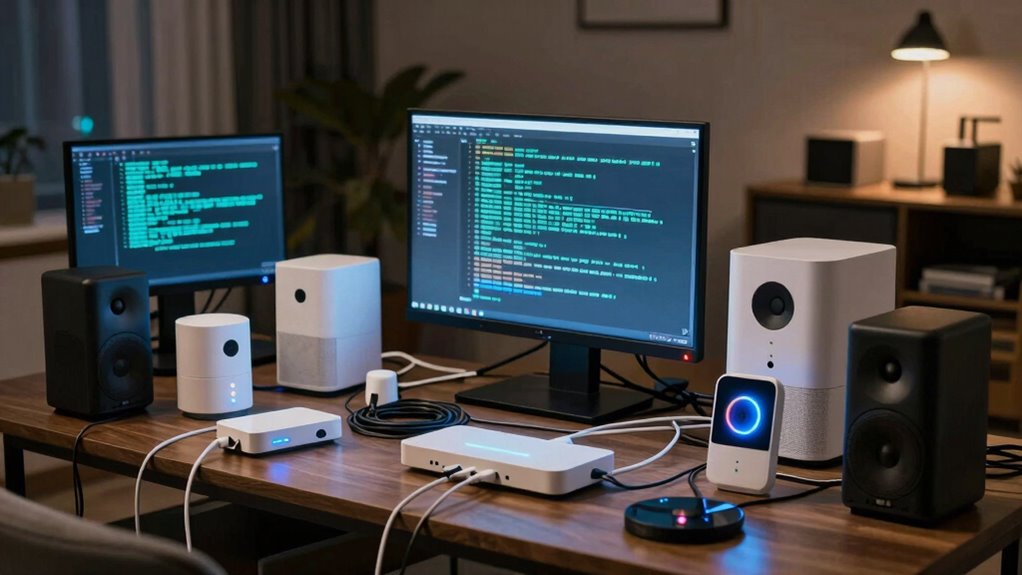
Smart homes promise convenience and efficiency, but when poorly planned, they can lead to unexpected costs you might not see coming. One of the most common issues is energy inefficiency. When you install multiple smart devices without a clear strategy, you might find your energy bills spiking instead of dropping. For example, if your smart lighting system isn’t properly calibrated or if your thermostat isn’t integrated correctly, lights and HVAC systems could run longer than necessary. These small inefficiencies add up over time, draining your wallet and defeating the purpose of smart technology. Additionally, many devices remain in standby mode, consuming power even when you’re not actively using them. Without proper setup and management, your home’s energy consumption can skyrocket, turning what should be a cost-saving investment into a hidden expense. Proper device calibration and integration are essential to avoid these pitfalls. Security vulnerabilities represent another significant hidden cost. Smart homes open up new avenues for cyber threats, especially if you neglect proper security measures. If your Wi-Fi network isn’t secured with strong passwords or if your devices lack regular firmware updates, hackers can exploit these weaknesses. Breaches can lead to theft of personal information, unauthorized access to your security cameras, or even manipulation of your smart locks and alarms. These security vulnerabilities not only compromise your privacy but can also result in costly damages, like theft or vandalism. Fixing these issues later can be expensive and stressful, and the damage to your sense of safety can’t always be measured in dollars. Preventing these vulnerabilities from the start requires investment in quality hardware, strong passwords, and consistent software updates, but neglecting this can turn your smart home into a liability rather than a refuge. Furthermore, poorly planned smart home setups often lead to increased maintenance costs. Devices that aren’t compatible or properly integrated can malfunction or require frequent troubleshooting. When systems don’t communicate seamlessly, you end up spending more time and money on repairs, replacements, and tech support. This ongoing upkeep can quickly add up, overshadowing the initial savings you hoped to achieve. To avoid these issues, a comprehensive smart home planning process can help you identify potential problems before they arise. Investing in proper device setup and ongoing management is crucial to prevent hidden costs that could undermine your smart home’s benefits. Neglecting consideration of future upgrades can also lead to costly retrofits down the line, further increasing your expenses. If you don’t invest in a solid plan, your smart home might become a source of frustration rather than convenience.
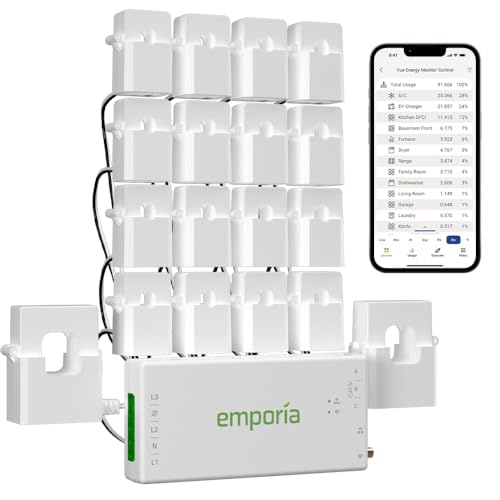
Emporia Vue 3 Home Energy Monitor – Smart Home Automation Module and Real Time Electricity Usage Monitor, Power Consumption Meter, Solar and Net Metering for UL Certified Safe Energy Monitoring
SAFETY YOU CAN TRUST WITH UL CERTIFICATION: With Emporia Energy, your home energy monitoring is safe, reliable, and…
As an affiliate, we earn on qualifying purchases.
As an affiliate, we earn on qualifying purchases.
Frequently Asked Questions
How Do I Choose the Right Smart Home Devices for My Needs?
To choose the right smart home devices, start by evaluating your needs and preferences. Make sure the devices are compatible with your existing system to avoid frustration. Prioritize user privacy by reviewing each device’s security features and data policies. Consider ease of use, integration options, and customer reviews. By doing so, you’ll create a seamless, secure smart home tailored to your lifestyle, avoiding unnecessary costs and complications down the line.
What Are the Best Practices for Integrating New Smart Home Technology?
To integrate new smart home technology effectively, start by prioritizing energy efficiency and user customization. Make sure devices are compatible with your existing system and update firmware regularly. Keep your setup simple to avoid clutter and confusion, and customize settings to suit your lifestyle. Test new devices thoroughly before full deployment, and plan for future expansion. This approach helps you maximize benefits while minimizing costs and compatibility issues.
How Can I Ensure My Smart Home Remains Secure From Cyber Threats?
It’s a coincidence that securing your smart home often hinges on simple steps. You should regularly update firmware on all devices and enable device encryption to protect against cyber threats. Also, change default passwords, use strong, unique ones, and activate two-factor authentication where possible. These proactive measures create a robust defense, making it much harder for hackers to access your home network and smart devices.
What Are Common Mistakes to Avoid When Planning a Smart Home?
When planning your smart home, avoid neglecting energy consumption and user privacy. Don’t overcomplicate setups, which can increase energy use and security vulnerabilities. Be cautious with device compatibility, ensuring everything works seamlessly without risking privacy breaches. Skip ignoring user privacy settings or failing to update firmware regularly. These mistakes can lead to higher costs and security risks, undermining your smart home’s efficiency and safety.
How Does a Poorly Planned Smart Home Impact My Home’s Resale Value?
A poorly planned smart home can negatively affect your resale impact by cluttering your space with incompatible or outdated devices, which may hurt its aesthetics. Buyers might see the smart technology as a hassle or unnecessary expense, reducing their interest. If your smart home isn’t seamlessly integrated or looks out of place, it can decrease overall appeal, making your property less attractive and potentially lowering its market value.

GNCC 2K WiFi Cameras for Home Security, Security Camera Indoor, Baby/Pet Camera with Phone App, 2.4/5GHz, Motion Detector, Night Vision, 2-Way Audio, SD/Cloud Storage, Works with Alexa & Google Home
2K Ultra HD & 10m Night Vision: Equipped with 2K Full HD resolution, this indoor security camera delivers…
As an affiliate, we earn on qualifying purchases.
As an affiliate, we earn on qualifying purchases.
Conclusion
Neglecting thoughtful planning in your smart home is like chasing shadows in the dark—costly, confusing, and ultimately unfulfilling. Just as Icarus soared too close to the sun, rushing into automation without foresight can lead to a fall from grace, wasted resources, and frustration. Take the time to plan wisely, balancing innovation with intention. Only then can your smart home truly become a sanctuary, not a mirror of chaos.

Amazon Smart Thermostat – Save money and energy – Works with Alexa and Ring – C-wire required
Smart upgrade – Amazon Smart Thermostat is an easy way to switch from a traditional thermostat and help…
As an affiliate, we earn on qualifying purchases.
As an affiliate, we earn on qualifying purchases.

ANGSO-AUTO ADAS Calibration Tool Kit Compatible with Honda Toyota Kia Ford ADAS Radar Aiming Calibration Tool,Post with 0-30 Centimeter Scale,Corner Reflector Target with Billet Aluminum Stand
Universal Compatibility: Fit for Honda, Toyota, Kia, and Ford vehicles,Whether you're a professional mechanic or a DIY enthusiast,…
As an affiliate, we earn on qualifying purchases.
As an affiliate, we earn on qualifying purchases.