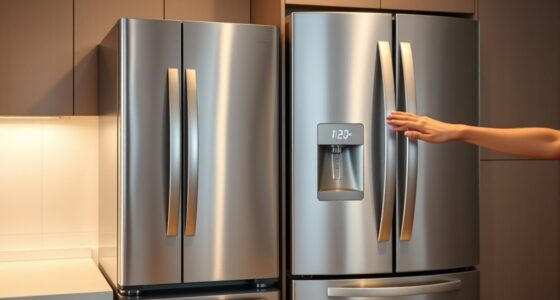
To conserve energy with smart home scheduling, set your devices to run only when needed and during off-peak hours. Use smart thermostats to adjust temperatures based on your routines, and program appliances like water heaters and laundry machines to operate during solar peak times or lower-rate periods. Monitoring your energy use helps you fine-tune schedules for maximum efficiency. Keep exploring how these smart strategies can make your home more eco-friendly and cost-effective.

Get the little things that make your day delivered free with Prime
- Fast, free delivery on millions of items
- Prime Video, Amazon Music and more included
- Member-only deals all year
Key Takeaways
- Schedule appliances and devices to operate during off-peak hours to reduce energy consumption and costs.
- Program thermostats to lower temperatures during sleep and work hours, increasing comfort when needed.
- Integrate renewable energy sources like solar panels with your smart system to optimize clean energy use.
- Automate lighting to turn off or dim in unoccupied rooms and during daylight to save electricity.
- Use real-time energy monitoring to identify inefficiencies and adjust schedules for maximum conservation.

Conserving energy is essential for reducing your environmental impact and lowering utility bills. One effective way to achieve this is by leveraging smart home scheduling, which allows you to optimize your energy use throughout the day. By setting your devices and systems to operate during specific times, you can minimize waste and ensure you’re not using energy when it’s unnecessary. This approach is especially beneficial when combined with renewable sources and energy efficient appliances, creating a thorough strategy for a greener home.
Start by evaluating your daily routines and identifying periods when your energy consumption peaks. Smart thermostats are a great example; you can program them to lower the temperature during work hours or when you’re asleep, then ramp up before you wake up or return home. This prevents your heating or cooling systems from running unnecessarily, saving energy without sacrificing comfort. Similarly, schedule your water heater to operate only during off-peak hours or when you need hot water the most. Many smart systems can learn your habits over time, automatically adjusting settings for maximum efficiency.
Program your thermostat and water heater to operate efficiently and save energy effortlessly.
In addition to scheduling, integrating renewable sources like solar panels can greatly reduce reliance on grid electricity. When paired with smart home systems, solar energy can be directed to power your appliances during peak sunlight hours, further decreasing your carbon footprint. You can also set your energy efficient appliances—such as refrigerators, washing machines, and dishwashers—to run during times when renewable energy input is at its highest or when electricity rates are lower. This not only conserves energy but also makes your home more cost-effective.
Using smart home scheduling isn’t just about turning things off; it’s about smartly managing when and how your devices operate. For instance, you might schedule your laundry to run overnight, taking advantage of lower energy rates and less strain on the grid. You can also automate lighting, ensuring lights turn off in unoccupied rooms or dim during daylight hours. These small adjustments, when systematically planned, lead to meaningful reductions in energy use. Incorporating energy monitoring systems can provide valuable insights into your consumption patterns, helping you identify further opportunities for savings and efficiency.
Most importantly, your smart home system can provide real-time data and insights into your energy consumption patterns. Monitoring this information helps you fine-tune your schedules, identify inefficiencies, and make smarter choices in everyday life. Combining these practices with renewable sources and energy efficient appliances creates a sustainable cycle that reduces waste. With thoughtful planning and technology, you can conserve energy effectively, cut costs, and contribute to a healthier planet—all without sacrificing comfort or convenience.
smart thermostat for energy saving
As an affiliate, we earn on qualifying purchases.
As an affiliate, we earn on qualifying purchases.
Frequently Asked Questions
Can Smart Home Scheduling Reduce Energy Costs Significantly?
Yes, smart home scheduling can markedly cut your energy costs. By automating devices based on your habits, you reduce unnecessary usage, especially when combined with renewable integration. Energy monitoring helps you track consumption, making it easier to identify savings opportunities. This way, you optimize your system’s efficiency, lower bills, and support sustainable energy practices—all while enjoying a more comfortable home.
What Devices Are Compatible With Smart Energy Scheduling?
You might be surprised to find that many devices, like smart thermostats, lighting, and appliances, are compatible with smart energy scheduling. These devices offer scheduling flexibility, allowing you to set precise times for operation. To maximize energy savings, guarantee your devices support compatible protocols like Zigbee, Z-Wave, or Wi-Fi. With the right setup, you can effortlessly automate your home for efficiency and comfort.
How Secure Is My Data With Smart Home Energy Systems?
Your data with smart home energy systems is generally secure, but you should stay vigilant. Manufacturers implement strong encryption to protect your data privacy, reducing risks of unauthorized access. However, system vulnerabilities can still exist if you don’t update software regularly or use weak passwords. To keep your data safe, enable multi-factor authentication, review privacy settings often, and choose reputable brands that prioritize security.
Can Scheduling Adapt to Unexpected Weather Changes?
Yes, scheduling can adapt to unexpected weather changes thanks to weather unpredictability data and scheduling flexibility. You might worry about rigid plans, but modern smart systems adjust automatically when they detect weather shifts. This means your home stays comfortable and energy-efficient, even with surprise weather. By integrating real-time weather updates, your smart home offers the flexibility needed to conserve energy without sacrificing comfort or convenience.
Is Professional Installation Necessary for Smart Home Energy Systems?
You don’t always need a professional installer for smart home energy systems, especially if you’re comfortable with DIY installation. Many systems are designed for easy setup, but check the installer requirements first. If you’re unsure or have a complex setup, hiring a professional guarantees everything’s correctly installed and optimized. This can save you time, prevent issues, and guarantee your system works efficiently, helping you conserve energy effectively.
solar compatible smart home devices
As an affiliate, we earn on qualifying purchases.
As an affiliate, we earn on qualifying purchases.
Conclusion
By implementing smart home scheduling, you can cut your energy use considerably and save money. Did you know that smart thermostats alone can reduce energy consumption by up to 12%? That’s like taking a big step toward saving the environment and your wallet. So start customizing your schedules today—every small change adds up. With smarter energy habits, you’ll enjoy a comfortable home while making a positive impact on the planet.
energy monitoring system for home
As an affiliate, we earn on qualifying purchases.
As an affiliate, we earn on qualifying purchases.
As an affiliate, we earn on qualifying purchases.
NFL season / tailgating Picks
team gear
As an affiliate, we earn on qualifying purchases.