TL;DR
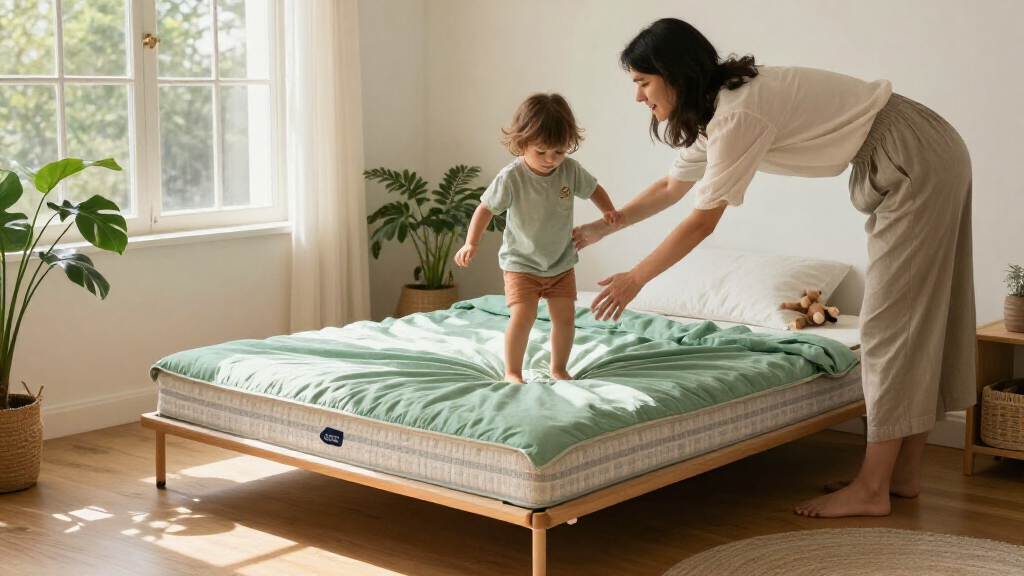
The Good Trade published a 2026 guide naming 10 organic twin mattresses for kids and explaining how families can compare materials, certifications and practical features. The guide presents product recommendations, not independent medical findings that any mattress is risk-free or improves children’s health.
The Good Trade has published a 2026 guide to 10 organic twin mattresses for kids, pairing its product picks with advice on certifications, materials and fit. The roundup gives parents a way to compare options, but its recommendations are editorial selections and do not establish that any mattress is entirely free of potential hazards or provides a medical benefit.

Get the little things that make your day delivered free with Prime
- Fast, free delivery on millions of items
- Prime Video, Amazon Music and more included
- Member-only deals all year
The guide says its editors researched and tested products and describes the mattresses as family picks. The Good Trade also discloses that it may earn a commission when readers buy through some links. The supplied source does not include the names, prices or individual specifications of all 10 mattresses, so those details cannot be independently summarized here.
Its advice centers on examining what a mattress is made of and what its certifications cover. The guide identifies GOTS for organic textiles, GOLS for organic latex, OEKO-TEX Standard 100 for testing for harmful substances, GREENGUARD Gold for low chemical emissions, and MADE SAFE for screening against known toxic chemicals. These labels address different attributes; they are not interchangeable guarantees of overall safety.
For choosing a mattress, the guide recommends considering firmness, breathability, support, durability and ease of cleaning. It says parents may look for medium-firm support, materials such as certified organic cotton or latex, and removable, washable covers. These are general selection suggestions in the article, not a substitute for advice tailored to a child’s health or sleep needs.
How the Guide Frames Safer Materials
The roundup addresses a practical shopping question for families weighing a child’s sleep surface, budget and material preferences. Its focus on certifications can help readers ask more specific questions than whether a mattress is simply marketed as “organic” or “nontoxic.” For example, a textile certification and a low-emissions label describe different properties, so parents may want to check which components are covered.
The guide also makes clear that material choices should not be treated as proof of a health outcome. It says a mattress is only one part of a sleep environment and that a medical guarantee that a product is “100% nontoxic” is difficult to make. That distinction matters because product descriptions and certifications do not, by themselves, establish that a mattress prevents allergies, respiratory problems or sleep difficulties.
Products Worth Considering

Roborock Q7 L5 Robot Vacuum and Mop Combo

Philips Hue Bridge Pro Smart Lighting Hub

Dyson V15 Detect Cordless Vacuum
As an affiliate, we earn on qualifying purchases.
What Parents Should Check
The article connects its recommendations to the amount of time children spend sleeping during growth and development. It quotes California pediatrician Dr. Nora Fahdan saying sleep matters for physical health, brain development and emotional regulation. Board-certified family physician Dr. Jaclyn Tolentino says families are paying more attention to sleep-environment materials, while adding that perfection is unrealistic and that lower-emission, more transparent materials can be one consideration for indoor air quality.
The source describes organic and nontoxic as terms that need qualification. It says its use of “nontoxic” refers to lower-emission, more consciously sourced materials and safer material choices—not proof that a product contains no potentially concerning substance. Parents comparing options can check certification scope, the materials used in each mattress layer, firmness, cleaning instructions and the seller’s return policy. The provided material does not supply product-by-product test results or a complete comparison of those factors.
““Sleep is so important for their physical health, their brain development, and their ability to regulate their emotions.””
— Dr. Nora Fahdan, pediatrician in California, as quoted by The Good Trade
Limits of the Product Claims
The supplied source material does not name the 10 mattresses or provide their prices, specifications, test results, certification documents or comparative rankings. It also does not state the guide’s publication date beyond identifying it as a 2026 article. Readers should consult the full roundup and manufacturers for current product details, since availability and product formulations may change.
Claims about lower emissions, organic content or the absence of particular chemicals depend on what a certification covers and which components were tested. The source itself cautions that “100% nontoxic” cannot be medically guaranteed. No evidence in the supplied material establishes that the listed mattresses prevent health conditions or deliver better sleep for every child.
What Buyers Can Verify
Before purchasing, families can compare the guide’s individual product entries with current manufacturer information. Check the exact model and size, materials in each layer, which parts carry a certification, firmness, cover-care instructions, warranty, return terms and total cost. If a child has allergies, respiratory concerns or other specific health needs, parents can ask a qualified health professional about relevant considerations rather than relying on a product label alone.
The Good Trade’s roundup is an editorial shopping resource, and its affiliate disclosure means some purchases through its links may generate commissions for the publisher. The source provided does not describe any follow-up testing or future updates to the list. Product availability and certification status should therefore be verified at the time of purchase.
Key Questions
What did The Good Trade publish?
It published a 2026 guide selecting 10 organic twin mattresses for kids and offering advice on certifications, materials and mattress features. The supplied source does not include the product names or full comparison table.
Does the guide prove the mattresses are completely nontoxic?
No. The article says a medical guarantee that a mattress is “100% nontoxic” is difficult to make. It uses “nontoxic” to refer to lower-emission, more consciously sourced materials and safer material choices.
What certifications does the article discuss?
It describes GOTS for organic textiles, GOLS for organic latex, OEKO-TEX Standard 100 for testing for harmful substances, GREENGUARD Gold for low emissions, and MADE SAFE for screening against known toxic chemicals. Each certification has a different scope.
What should parents compare before buying?
The guide suggests reviewing firmness, support, materials, breathability, durability and cleaning. Parents can also check certification coverage, current product specifications, price, warranty and return terms with the manufacturer or retailer.
Source: rss