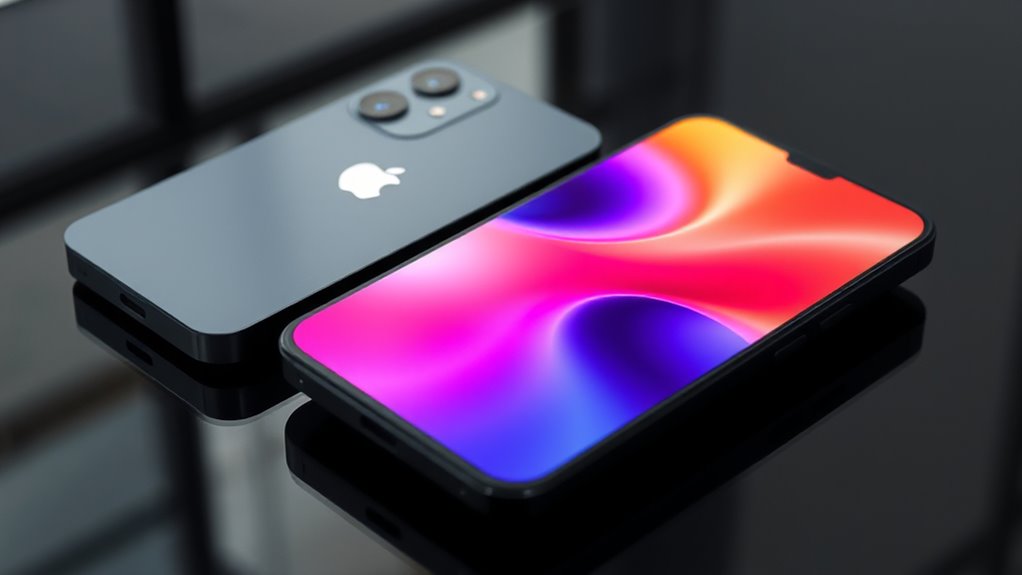

If you’re looking for a phone with the best camera, seamless Apple ecosystem, and excellent performance, the iPhone 15 is the way to go. But if you want a brighter display, longer battery life, more flexible customization, and better zoom options, the Galaxy S23 suits you better. Both are great choices at $799, so think about what features matter most to you. Stick around to find out more about each device’s strengths.
Key Takeaways
- The iPhone 15 offers superior camera quality, natural color reproduction, and longer software support, ideal for seamless Apple ecosystem integration.
- The Galaxy S23 provides a larger battery, higher RAM, and more advanced display features, benefiting multitasking and gaming.
- Both are durable with IP68 ratings; the iPhone’s Ceramic Shield and Galaxy’s impact-resistant frame enhance outdoor resilience.
- The iPhone 15 excels in brightness and overall performance, while the Galaxy S23 is better for customization and extensive hardware options.
- Pricing is similar at launch, but Galaxy S23 may be more affordable secondhand; choose based on ecosystem preference and specific feature needs.
Display and Design Comparison
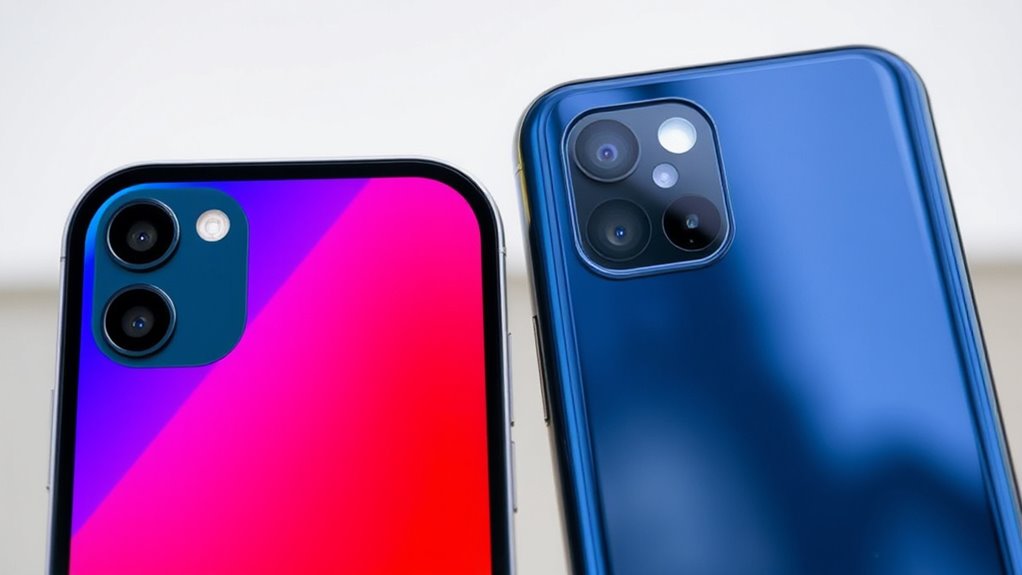
When comparing the display and design of the iPhone 15 and Samsung Galaxy S23, you’ll notice both phones feature 6.1-inch OLED screens, but they differ in quality and performance. The iPhone 15 boasts a higher resolution of 1179 x 2556 pixels and a peak brightness of 2,000 nits, making it more visible in bright sunlight. It also offers natural color reproduction, providing more accurate and true-to-life images. In contrast, the Galaxy S23 has a slightly lower resolution of 1080 x 2340 pixels and supports a maximum brightness of 1,750 nits, with more vibrant color options for saturated visuals. Although both devices have similar sizes and overall dimensions, the Galaxy S23’s textured grip enhances handling, while the iPhone feels lighter in the hand. The display technology differences influence how you perceive visuals and outdoor usability. The display technology used in the iPhone 15 offers higher brightness levels, which improves outdoor visibility and reduces glare during bright conditions. Additionally, screen durability is a key factor, with the iPhone’s Ceramic Shield providing increased resistance to drops and scratches.
Performance and Hardware Analysis

The performance and hardware of the iPhone 15 and Samsung Galaxy S23 showcase their flagship status, with each excelling in different areas. You’ll notice the iPhone 15’s A16 Bionic chip delivers superior single-threaded performance, scoring higher in benchmarks like GeekBench 6. However, the Galaxy S23’s Snapdragon 8 Gen 2 and Adreno 740 GPU provide better graphics performance, especially in 3D testing. The Galaxy also offers more RAM—8GB compared to the iPhone’s 6GB—leading to better background app management. Battery-wise, the S23’s larger 3,900mAh capacity outlasts the iPhone’s 3,349mAh, with faster charging. While both heat up during intensive tasks, they maintain smooth performance. Overall, the iPhone excels in CPU benchmarks, and the Galaxy shines in GPU power and battery capacity, giving you clear options based on your priorities. Both devices support 5G connectivity, ensuring fast network speeds in most regions. Additionally, their performance optimization ensures smooth multitasking and gaming experiences across various applications.
Camera System Features
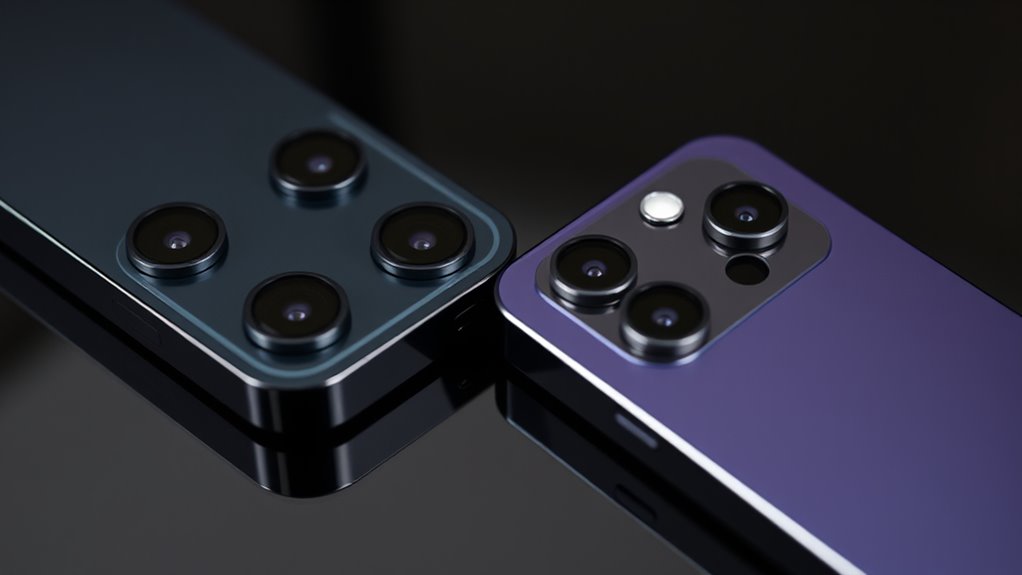
When comparing the camera systems, you’ll notice that both phones feature high-resolution main sensors and versatile lenses, but each has unique strengths. The iPhone 15 offers excellent video stabilization and natural colors, while the Galaxy S23 provides a dedicated telephoto lens for better zoom capabilities. Consider how these differences might impact your shooting style and the quality you prioritize. Additionally, Free Floating elements can influence image clarity and composition, so think about how your preferred environment might affect your photos.
Main Sensor Capabilities
Both the iPhone 15 and Samsung Galaxy S23 pack advanced main sensors that deliver high-resolution images and excellent light sensitivity, but they achieve this with different technologies. The iPhone 15 features a 48MP Quad-Bayer sensor with a larger 1/1.56” size and 1.0µm pixels, optimized for balanced resolution and light capture. It uses sensor-shift OIS and a bright f/1.6 aperture to improve low-light performance. The Galaxy S23 sports a 50MP sensor with pixel-binning technology, typically paired with an f/1.8 or f/1.9 aperture, enhancing low-light shots. Both employ backside illumination and advanced computational photography, but Samsung emphasizes resolution and digital zoom, while Apple focuses on color accuracy, dynamic range, and noise reduction through its Photonic Engine. Sensor Size and Pixel Technology are key factors that influence overall image quality and performance in various lighting conditions. Additionally, sensor technology continues to evolve, contributing to even better image quality and versatility in modern smartphones.
Versatility With Lenses
The versatility of the camera systems on the iPhone 15 and Samsung Galaxy S23 primarily hinges on their lens configurations and zoom capabilities. The iPhone 15 features a dual-lens setup with a 48MP main and a 12MP ultra-wide, offering a 2x optical zoom by cropping the main sensor. In contrast, the Galaxy S23 boasts three lenses: a 50MP main, a 12MP ultra-wide, and a 10MP telephoto with 3x optical zoom, providing greater native zoom flexibility. The Galaxy’s dedicated telephoto lens delivers sharper images at higher zoom levels, while the iPhone relies on computational cropping. Both phones support high digital zoom, but Samsung’s optical zoom and larger sensor size guarantee more consistent quality, especially in challenging lighting conditions. Color accuracy also plays a role in how well these cameras reproduce true-to-life images across different lighting environments.
Video Recording Quality
Video recording quality on the iPhone 15 Pro Max and Samsung Galaxy S23 Ultra showcases significant differences in resolution options and stabilization features. The iPhone maxes out at 4K at 60fps, offering reliable, high-quality footage for everyday use. In contrast, the Galaxy S23 Ultra supports up to 8K recording at 24fps, ideal for professional-level projects but demanding more storage and processing power. Both deliver excellent 4K/60fps results, suitable for most content creation needs. Stabilization varies: the iPhone features “Action Mode” for dynamic scenes, while the Galaxy offers “SuperSteady” for vibration reduction. The iPhone excels in color accuracy and dynamic range, whereas the Galaxy provides more control with its pro video mode and higher resolution options. Your choice depends on your need for resolution, stabilization, and professional features.
Battery Life and Charging Options
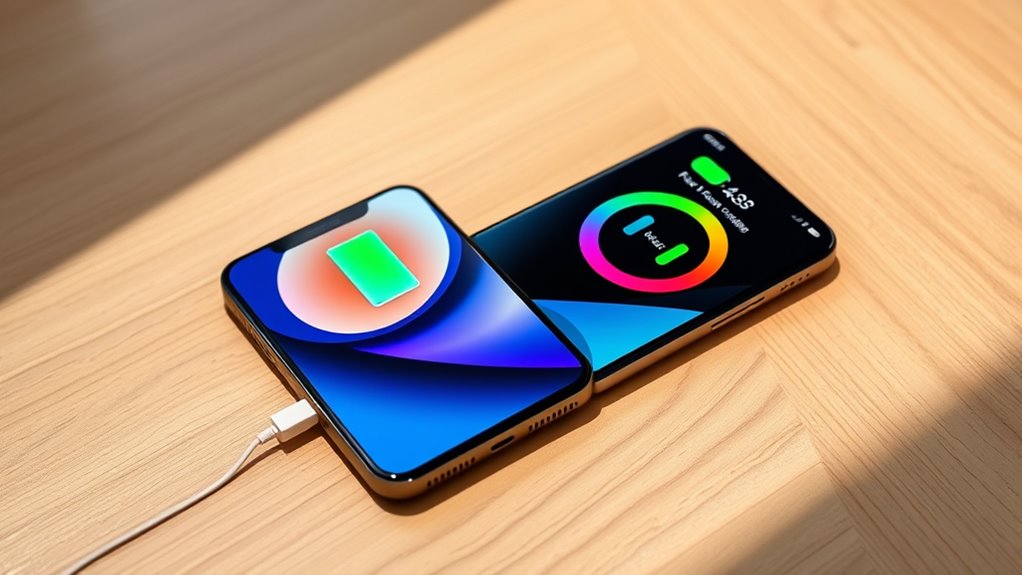
When comparing battery life and charging options, Samsung Galaxy S23 generally offers longer endurance thanks to its larger 3,900mAh battery, while the iPhone 15’s smaller 3,349mAh battery relies on Apple’s efficiency optimizations to deliver a full day’s use. In real-world testing, the Galaxy S23 often lasts slightly longer, especially during moderate activities, though both phones typically provide around 5-6 hours of screen-on time. For wired charging, the Galaxy S23 supports 25W, with the Ultra model reaching 45W, making top-ups quicker. The iPhone 15 charges at 20W and reaches full capacity in about 90 minutes. Both support 15W wireless charging, but the Galaxy S23 Ultra’s Wireless PowerShare adds reverse wireless charging, a feature the iPhone 15 lacks. Additionally, the Galaxy S23’s adaptive battery technology helps preserve battery health over time.
Software Experience and Ecosystem Integration
Your choice between the iPhone 15 and Galaxy S23 heavily depends on how much you value ecosystem compatibility, update longevity, and customization options. Apple offers a seamless experience within its ecosystem with consistent updates, but limits personalization, while Samsung provides extensive customization and broader app compatibility with longer update cycles. Consider which features align best with your daily needs and device preferences. Additionally, understanding outdoor tech compatibility can help you select devices that better support your active lifestyle outside the digital realm.
Ecosystem Compatibility
Both the iPhone 15 and Samsung Galaxy S23 excel in ecosystem compatibility by offering seamless integration with their respective brand’s services and devices. If you’re invested in Apple’s ecosystem, you’ll enjoy effortless syncing with iCloud, Apple Music, and Apple TV, plus smooth integration across iPhone, iPad, Mac, and Apple Watch. Samsung’s ecosystem offers similar convenience, connecting with Galaxy Watch, Galaxy Buds, and SmartThings, enabling features like Quick Share, Smart Switch, and Multi Control. Both ecosystems support cloud backups and easy device transfers. The iPhone 15’s tight integration with accessories like AirPods and MagSafe enhances your experience, while the Galaxy S23 supports DeX, wireless charging, and personalized customization through Samsung’s apps. Furthermore, the Galaxy S23’s ecosystem is designed to seamlessly connect with a wide range of third-party devices, increasing versatility for users with diverse gadget collections. Whichever you choose, seamless device and service integration makes switching between tasks effortless.
Software Update Longevity
The longevity of software updates considerably influences your device’s security, performance, and ecosystem integration over time. Apple guarantees at least five years of updates for the iPhone 15, often extending beyond that, ensuring ongoing security patches and feature improvements. Samsung’s Galaxy S23 offers up to seven years of support, surpassing Apple’s minimum, especially for flagship models. This extended support means your device stays protected and current longer. Additionally, Apple’s recent announcement clarifies that the iPhone 15 will receive a minimum support period driven by regulatory requirements, providing consumers with greater transparency. Moreover, extended update support can contribute to better device longevity and overall user satisfaction. The table below highlights the key differences:
| Device | Support Duration | Update Frequency |
|---|---|---|
| iPhone 15 | 5+ years | Around one major update annually |
| Galaxy S23 | Up to 7 years | Regular OS upgrades & security patches |
| Pixel 8 | 7 years | Consistent updates and security patches |
| Budget Devices | 2-3 years | Fewer updates, mainly security patches |
Customization Options
Android 14 with One UI 6 offers extensive customization options that empower you to tailor your device’s interface to your preferences. You can personalize your experience through:
- Custom widgets, icon packs, and launcher modifications, giving your home screen a unique look.
- Flexible quick panel layouts and always-on display settings, allowing quick access and persistent info display.
- Advanced camera modes like pro video, director view, and single take, plus multiple unlocking options, including face recognition and PINs.
Additionally, you can control your smart home devices via SmartThings, adjust display refresh rates for eye comfort, and manage notifications with granular control. These features give you a high degree of personalization, making your device truly your own.
Pricing and Overall Value

At $799.99 for the base models, the iPhone 15 and Samsung Galaxy S23 are priced similarly, making them competitive options in the premium smartphone market. While the Galaxy S23 launched earlier in 2023, both phones share the same starting price, with the iPhone 15 slightly more expensive in Australia and the Galaxy S23 less costly on the used market in 2025. The Galaxy S23 offers more RAM, a higher refresh rate, and a larger battery, boosting its value for multitasking and gaming. The iPhone 15 excels in performance, camera quality, and brightness. Both support 5G and share similar storage options. Your choice depends on whether you prioritize ecosystem, camera features, or raw performance, as both provide solid value in their price range. Both models are compatible with 5G networks, which ensures fast connectivity in supported areas.
Durability and Build Quality
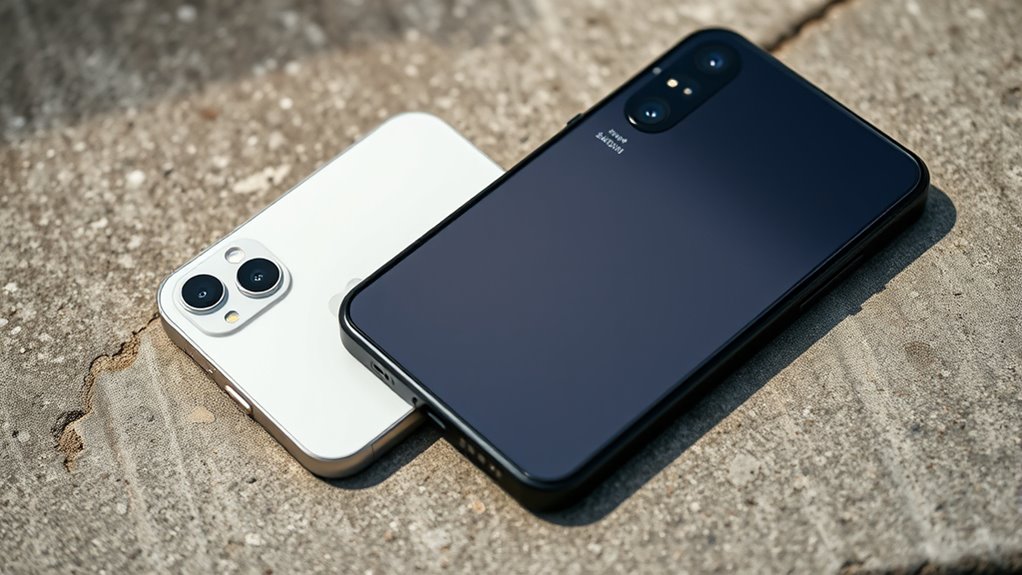
When comparing the durability and build quality of the iPhone 15 and Galaxy S23, it’s clear both phones are designed to withstand environmental hazards. They meet IP68 standards, ensuring they resist dust and water immersion. This means you can confidently use either device in challenging conditions without worry. Additionally, both models incorporate weather resistance features that enhance their longevity in outdoor environments. Consider these key points:
- The iPhone 15 Pro Max’s titanium frame offers superior strength and is lighter than traditional aluminum.
- The Galaxy S23 Ultra uses an aluminum frame that reduces impact during drops.
- Both devices feature tough display glass—Apple’s ceramic shield and Gorilla Glass—though both can crack under severe impact.
User Experience and Practical Considerations

Both the iPhone 15 and Galaxy S23 deliver impressive user experiences, but they cater to different preferences. The iPhone 15’s brighter display, with a peak of 2,000 nits, makes outdoor visibility easier, while the Galaxy S23’s 120Hz refresh rate ensures smoother scrolling and animations. If you value natural color tones, the iPhone’s subtle reproduction might suit you better, but if you prefer vivid hues, the Galaxy’s vibrant display wins out. The iPhone’s Dynamic Island offers seamless multitasking, and Face ID provides quick, secure access. Meanwhile, the Galaxy’s in-screen fingerprint adds convenience. Both phones handle everyday tasks effortlessly, but the Galaxy’s better thermal management and slightly longer battery life can enhance prolonged use. Your choice depends on which features and experience align best with your daily needs.
Final Thoughts: Which Device Suits Your Needs?
Choosing between the iPhone 15 and Galaxy S23 ultimately depends on what matters most to you in a smartphone. Consider these key factors:
- If longer battery life and faster charging are priorities, Galaxy S23 is the better choice with its larger battery and 25W charging.
- For smoother visuals and gaming, the Galaxy’s 120Hz refresh rate and vibrant AMOLED display give it an edge, though the iPhone’s brightness is superior outdoors.
- If photography is your focus, Samsung’s telephoto lens and higher video resolution might appeal, but the iPhone’s color accuracy and processing are strong contenders.
- Modern smartphone features like fast wireless charging and advanced connectivity capabilities are supported by both devices, making them convenient options for on-the-go users.
Ultimately, pick the device that aligns with your lifestyle—whether you value multimedia, performance, or camera capabilities. Both are excellent, but your needs should guide your decision.
Frequently Asked Questions
How Do Software Update Policies Differ Between Iphone 15 and Galaxy S23?
You’ll find that the Galaxy S23 offers longer software support with 7 years of security updates, compared to the iPhone 15’s 5-year commitment. Samsung’s updates extend through both security patches and Android version upgrades, keeping your device secure for a longer period. Meanwhile, Apple focuses on major iOS updates for about 5 years. If long-term security is your priority, the Galaxy S23’s update policy gives you an edge.
Which Device Offers Better Long-Term Value and Resale Potential?
You’ll find the iPhone 15 offers better long-term value and resale potential. Its stronger brand, consistent software updates for 5-6 years, and higher demand mean you’ll retain more of your investment. Apple devices typically depreciate less, with resale prices 20-30% higher than Samsung’s S series. Plus, the stable secondary market and longer device longevity make the iPhone 15 a smarter choice if resale value matters to you.
How Do Ecosystem Features Influence Overall User Experience?
Picture yourself seamlessly switching from your iPhone to your MacBook, opening a world of effortless continuity. You’ll enjoy smoother workflows, quick file sharing, and unified notifications that make your daily tasks feel connected and intuitive. Ecosystem features create a cohesive environment where your devices work in harmony, reducing friction and boosting productivity. This interconnected experience elevates your overall user satisfaction, making your tech feel more personalized, reliable, and effortless to manage.
Are There Any Notable Differences in Device Durability and Repairability?
You’ll find notable differences in durability and repairability between these devices. The iPhone 15 Pro Max boasts impressive drop resistance, thanks to titanium construction and reinforced glass, but its glass back remains fragile and vulnerable to impact. Repairs are more accessible now with modular back glass, and costs have decreased. Samsung devices often feature more durable materials, but repairability varies. Consider your priorities—durability or repair ease—when making your choice.
Which Phone Performs Better in Gaming and High-Performance Tasks?
When it comes to gaming and high-performance tasks, you’ll find the Galaxy S23 Ultra leads with higher FPS averages, better thermal management, and superior stability during intense scenes. While the iPhone 15 excels in CPU benchmarks, the S23’s Snapdragon 8 Gen 2 offers a smoother, cooler experience over prolonged gaming sessions. If performance is your priority, the Galaxy S23 Ultra is the stronger contender, like a steady ship in choppy waters.
Conclusion
Ultimately, choosing between the iPhone 15 and Samsung Galaxy S23 depends on what matters most to you. If you value seamless Apple ecosystem integration and a sleek design, the iPhone might be your best bet. But if you prefer customization and cutting-edge hardware, the Galaxy S23 could be your knight in shining armor. Remember, this isn’t 1999—your smartphone should fit your lifestyle, not the other way around. Choose wisely and enjoy your new device!