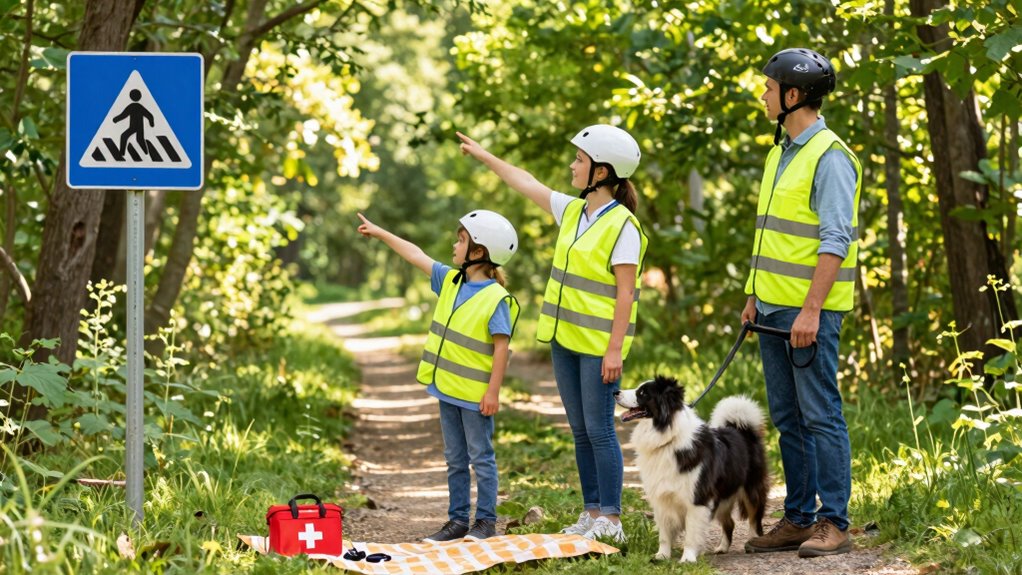

To keep your family safe during outdoor adventures, always carry a fully stocked first aid kit, know basic first aid skills, and have a clear emergency plan with a designated meeting point. Stay aware of local wildlife, respect animals, and store food securely to avoid attracting them. Use proper gear, stay on marked trails, and monitor weather conditions closely. Practice safety drills and open communication, so everyone stays prepared and protected—keep going to discover even more helpful safety tips.

Get the little things that make your day delivered free with Prime
- Fast, free delivery on millions of items
- Prime Video, Amazon Music and more included
- Member-only deals all year
Key Takeaways
- Always carry a fully stocked first aid kit and know basic first aid skills.
- Stay on marked trails, use proper gear, and monitor weather conditions for safe outdoor navigation.
- Teach children to respect wildlife, keep a safe distance, and avoid feeding or approaching animals.
- Have a clear emergency plan, including designated meeting points and ensuring communication devices are charged.
- Store food securely, dispose of trash properly, and be aware of local wildlife behaviors to prevent dangerous encounters.
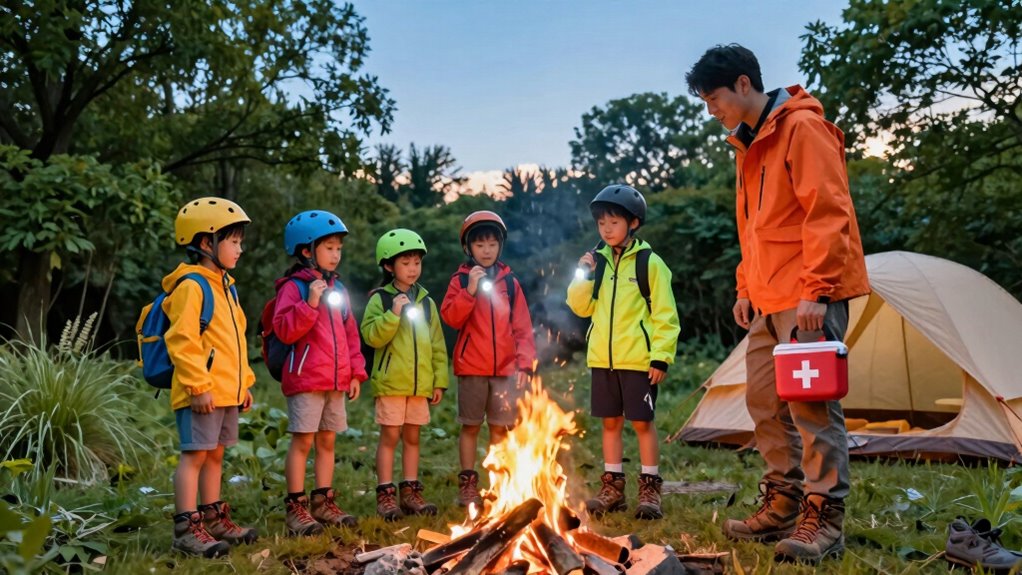
Are you prepared to enjoy the outdoors safely? Before heading out, it’s essential to think about your family’s safety by practicing good outdoor safety habits. One of the most important aspects is emergency preparedness. You should always carry a fully stocked first aid kit, know basic first aid skills, and have a plan in place for emergencies. Whether it’s a minor scrape or something more serious, quick and confident action can make a big difference. Make sure everyone in your family understands how to use a first aid kit, and designate a meeting point in case you get separated. Having a charged cell phone and knowing how to contact emergency services are also indispensable. Planning ahead helps you stay calm and organized if unforeseen events occur. Incorporating security technology like GPS trackers or surveillance devices can further enhance your safety measures during outdoor activities. Wildlife awareness is equally essential when spending time outdoors. Many families underestimate the potential risks posed by local animals. Familiarize yourself with the wildlife in your area and teach your children to respect their space. Avoid approaching or feeding wild animals, as this can provoke aggressive behavior or lead to dangerous encounters. Keep a safe distance if you see animals like snakes, bears, or other potentially hazardous creatures. It’s also wise to store food securely and dispose of trash properly to prevent attracting wildlife to your campsite or picnic area. Being aware of animal behavior and knowing how to react can help prevent unwanted encounters or injuries. In addition to emergency preparedness and wildlife awareness, developing good habits like staying on marked trails and sticking to designated paths keeps everyone safe. This reduces the risk of getting lost or disturbing sensitive habitats. Proper trail knowledge can help you navigate safely and avoid accidentally venturing into dangerous areas. Bringing appropriate outdoor gear such as sturdy footwear and weather-appropriate clothing can significantly improve your comfort and safety during outdoor adventures. Always bring enough water, wear appropriate clothing, and protect yourself from sun exposure with hats and sunscreen. Keeping a close eye on children is essential, especially near water or in unfamiliar environments. Teaching them basic safety rules, such as never wandering off alone, helps build good habits that last a lifetime. Additionally, understanding local wildlife through community resources or local experts can significantly improve your safety precautions. Being aware of weather conditions, including sudden changes or storms, can further prevent accidents and ensure you’re prepared for unexpected situations. Lastly, communicate with your family about what to do in different situations. Practice safety drills, like what to do if someone gets lost or if a wild animal approaches. When everyone understands the plan, you’ll feel more confident and prepared for any outdoor adventure. Incorporating these habits into your outings makes outdoor activities safer and more enjoyable for everyone. By prioritizing emergency preparedness and wildlife awareness, you’re taking proactive steps to protect your loved ones while creating memorable outdoor experiences.
fully stocked first aid kit for outdoor camping
As an affiliate, we earn on qualifying purchases.
As an affiliate, we earn on qualifying purchases.
Frequently Asked Questions
How Can I Teach Kids About Outdoor Hazards Effectively?
You can teach kids about outdoor hazards effectively by using supervision tips and engaging safety education. Keep a close eye on them, especially near water or rough terrain, and set clear boundaries. Use simple, age-appropriate language to explain dangers like traffic, insects, or plants. Reinforce lessons with fun activities or safety games, and regularly remind them of safety rules to build awareness and confidence in outdoor settings.
What Should I Include in a Family Outdoor Safety Kit?
You should include first aid essentials like bandages, antiseptic wipes, and allergy medications, alongside emergency contact cards for quick access. Imagine a small kit that balances preparedness with simplicity—compact but all-inclusive. Add sunscreen, insect repellent, and a flashlight for added safety. This way, you’re ready for minor injuries, sun protection, or unexpected emergencies during outdoor adventures, ensuring your family stays safe and confident wherever you go.
How Often Should Outdoor Safety Drills Be Practiced?
You should practice outdoor safety drills at least twice a year to strengthen emergency preparedness and keep everyone ready. Regular drills help your family understand risk assessment and respond confidently during emergencies. Incorporate scenarios like fire, severe weather, or stranger safety. Consistent practice guarantees your family stays alert and prepared, minimizing panic and confusion when real situations occur. Make safety drills a routine to build confidence and quick, effective responses.
How Do I Identify Safe Outdoor Play Areas?
You identify safe outdoor play areas by performing regular playground inspections, checking for hazards like broken equipment, sharp edges, or debris. Look for shaded spots to guarantee sun protection, especially during hot days. Confirm the surface is soft, such as mulch or rubber, to cushion falls. Trust your instincts—if an area looks unsafe or poorly maintained, find a different spot for your kids to play safely.
What Are Signs of Outdoor Allergy or Insect Bite Emergencies?
Imagine your child’s body is a garden, and allergies or insect bites are unexpected storms. You recognize allergy symptoms like swelling, hives, or difficulty breathing, and see insect bite reactions such as swelling, redness, or pus. If any signs escalate, like trouble breathing or loss of consciousness, you act immediately. Stay vigilant, trust your instincts, and seek emergency help to protect your child’s health and keep the garden safe.
As an affiliate, we earn on qualifying purchases.
Conclusion
So, next time you’re enjoying the great outdoors, remember these safety habits—because nothing says “fun” like realizing how unprepared you are after an unexpected mishap. Ironically, being cautious might just make your adventure less exciting, but it’ll definitely keep everyone safe. After all, it’s so much more thrilling to learn the hard way, right? Stay vigilant, stay safe, and enjoy your outdoor adventures—preferably with all your limbs intact!
As an affiliate, we earn on qualifying purchases.
As an affiliate, we earn on qualifying purchases.
NFL season / tailgating Picks
team gear
As an affiliate, we earn on qualifying purchases.