
To achieve work-life balance and avoid burnout, set clear boundaries between work and personal time, and stick to your schedule. Prioritize high-impact tasks, delegate when possible, and create routines that help you switch off after work. Incorporate regular self-care, exercise, and breaks to recharge. Adjust your environment to stay focused and minimize distractions. Remember, finding the right balance is ongoing—stay open to new strategies, and you’ll learn even more effective ways to maintain well-being.
Key Takeaways
- Establish clear boundaries between work and personal time, and communicate limits to prevent overcommitment.
- Develop consistent routines with designated work hours and regular breaks to enhance separation and reduce stress.
- Prioritize self-care, including exercise, proper nutrition, sleep, and mindfulness practices to support overall well-being.
- Create a dedicated workspace and minimize distractions to improve focus and work efficiency.
- Regularly evaluate and adjust your strategies, seeking support when needed to maintain a healthy work-life balance.

Are you struggling to find harmony between your work and personal life? If so, you’re not alone. Many people feel overwhelmed trying to juggle their professional responsibilities with personal commitments, leading to stress and burnout. The good news is that achieving a healthy balance is possible with intentional effort and practical strategies.
First, set clear boundaries between work and personal time. When your workday ends, resist the urge to check emails or finish tasks. Let your colleagues know your availability, and stick to those limits. This helps you create mental space to relax and focus on your personal life without feeling guilty or anxious about work obligations. Additionally, prioritize your tasks by identifying what truly needs immediate attention and what can wait. Focus on completing high-impact activities first, and don’t be afraid to delegate or say no to non-essential requests. This reduces your workload and prevents burnout from overcommitment.
Creating a routine can also considerably improve your work-life balance. Establish specific start and end times for your workday, and try to stick to them consistently. Having a predictable schedule helps you switch off from work mode and makes it easier to enjoy your personal activities. Incorporate regular breaks during your work hours—step away from your desk, stretch, or take a short walk. These breaks refresh your mind and prevent fatigue. When it’s time for personal activities, fully engage without distractions. Turn off notifications, and focus on quality time with family or hobbies, allowing yourself to recharge. Remember, self-care practices are essential for maintaining your overall well-being and resilience. Incorporating healthy habits such as exercise and proper nutrition can further support your mental and physical health. Furthermore, being mindful of your work environment can help reduce distractions and increase productivity during work hours. Moreover, establishing a dedicated workspace can help you mentally separate work from leisure, improving your overall work-life separation.
Taking care of your physical and mental health is equally important. Regular exercise, a balanced diet, and adequate sleep boost your energy levels and resilience against stress. Don’t neglect your mental well-being—practice mindfulness, meditation, or deep breathing exercises to stay centered. Developing a stress management routine can help you better handle daily pressures and prevent burnout. If you’re feeling overwhelmed, don’t hesitate to seek support from friends, family, or a mental health professional. Remember, acknowledging stress and addressing it early can prevent burnout from spiraling out of control.
Finally, remember that work-life balance isn’t a one-size-fits-all solution; it’s a dynamic process that requires ongoing adjustments. Regularly evaluate what’s working and what isn’t, and be flexible in making changes. Celebrate your successes, no matter how small, and give yourself grace during setbacks. By consciously setting boundaries, creating routines, prioritizing self-care, and staying adaptable, you can reduce stress, enhance your well-being, and enjoy a more fulfilling balance between work and personal life.
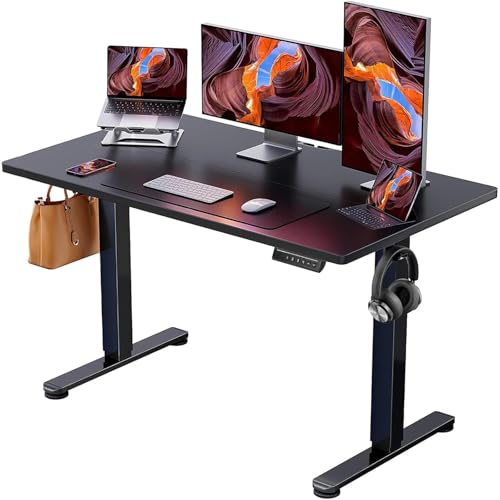
ErGear Height Adjustable Electric Standing Desk, 48 x 24 Inches Sit Stand up Desk, Memory Computer Home Office Desk, Black
Electric Height Adjustable Standing Desk for Comfortable Work – Switch effortlessly between sitting and standing with this electric…
As an affiliate, we earn on qualifying purchases.
As an affiliate, we earn on qualifying purchases.
Frequently Asked Questions
How Can I Tell if I’m Experiencing Burnout?
You’ll notice burnout if you’re feeling exhausted all the time, both physically and emotionally, even after rest. You might lose interest in work or activities you once enjoyed, and feel increasingly cynical or detached. Sleep problems, irritability, and difficulty concentrating are common signs. If you’re neglecting self-care or feeling overwhelmed regularly, it’s likely you’re experiencing burnout. Recognizing these signs early helps you take steps to recover and prevent further exhaustion.
What Are Signs of Work-Life Imbalance?
They say, “A little imbalance now and then keeps life interesting,” but too much can be draining. You might notice you’re overwhelmed, constantly tired, or irritable. Your work and personal life feel disconnected, and you struggle to switch off from work. You skip breaks, neglect hobbies, or feel guilty when relaxing. If these signs sound familiar, it’s time to reassess and find ways to restore balance before burnout takes hold.
How Do I Set Boundaries With Remote Work?
To set boundaries with remote work, establish clear start and end times for your day, and communicate them to your colleagues. Create a dedicated workspace that signals when you’re working and when you’re off-duty. Turn off work notifications after hours, and resist the urge to check emails outside of work hours. Prioritize personal time, and make it non-negotiable, so you maintain a healthy balance and prevent burnout.
How Can Employers Support Employee Well-Being?
Employers can support your well-being by promoting open communication and setting clear expectations. They should encourage you to take regular breaks and respect your work hours, avoiding after-hours emails. Offering flexible schedules and mental health resources also helps. By fostering a supportive environment, employers make it easier for you to maintain balance, reduce stress, and stay engaged, ultimately boosting your overall well-being and productivity.
What Are Quick Stress-Relief Techniques for Busy Days?
When you’re busy, take quick breaks to stretch or breathe deeply for a minute or two. Try the 4-7-8 breathing technique—inhale for four seconds, hold for seven, exhale for eight—to calm your mind. Listen to a favorite song, sip water mindfully, or glance away from your screen. These small actions can instantly reduce stress, helping you regain focus and stay energized throughout your hectic day.

B000UXZQ42
As an affiliate, we earn on qualifying purchases.
As an affiliate, we earn on qualifying purchases.
Conclusion
Remember, maintaining work-life balance isn’t just a nice idea—it’s essential. Did you know that 69% of employees report burnout, affecting their health and productivity? Prioritize self-care, set boundaries, and take breaks to protect your well-being. By making small changes, you can reduce stress and boost happiness. Your health and happiness matter—don’t let burnout take over. Take charge today, and enjoy a more balanced, fulfilling life.

Retrospec Sedona Zafu Meditation Cushion with Buckwheat Hull Fill – Adjustable Yoga & Pilates Equipment Support – 17in Crescent Cotton Cover
NATURAL COMFORT & SUPPORT: Filled with sustainable buckwheat hulls, this meditation cushion elevates your practice by aligning your…
As an affiliate, we earn on qualifying purchases.
As an affiliate, we earn on qualifying purchases.

SKYDUE 360 Rotating Plastic Desk Pen Organizer with 5 Slots, Dual-Purpose Art Supply Pencil Cup for Office, School, Home
Space-Saving: The design of 5 compartments provides enough storage capacity without taking up a lot of desktop space….
As an affiliate, we earn on qualifying purchases.
As an affiliate, we earn on qualifying purchases.