TL;DR
Motivational quote wall art pairs an encouraging phrase with a visual design, in formats such as framed prints, posters, canvas, decals, or downloads. Choose words that matter to you, make sure they are readable from where you’ll see them, and match the scale and materials to the room. Treat the piece as a reminder that can support an action, not a guarantee of motivation or results.
A sentence on the wall can catch your eye while your coffee cools, your laptop loads, or you pause at the door. That small moment is the appeal of motivational quote wall art: a phrase you chose gets a visible place in your everyday surroundings.

Get the little things that make your day delivered free with Prime
- Fast, free delivery on millions of items
- Prime Video, Amazon Music and more included
- Member-only deals all year
This kind of art pairs encouraging words with visual design, from simple framed type to colorful posters, canvas, decals, and printable files. The right piece can make a room feel more like yours and remind you of a value or goal. It cannot promise a mood change or do the work for you.
Here’s how to pick a message, style, size, and format that suit your space, plus what to check before buying or selling a quote design. You’ll get practical ideas you can use whether you’re dressing a home office, classroom, workout corner, or thoughtful gift.
Choose a phrase tied to a real value or goal, and read it aloud before buying.
Check the lettering from the distance where you’ll usually see the artwork.
Use a paper mock-up to test print size and placement before hanging it.
Compare materials, framing, file specifications, and mounting details across formats.
Check quote sources and permissions, especially before selling a design.
Choose words that still feel like yours next month
Motivational quote wall art works best as a personal prompt: choose a phrase that connects to a value, goal, or challenge you actually recognize. A message that sounds impressive but feels hollow may fade into the wallpaper. Specific wording gives you a better chance of noticing it for the right reason.
Say you’re trying to make time for drawing after work. A broad slogan about success may not speak to that choice, while a short line such as “Make room for the sketch” points toward something you can do tonight. You could also use your own wording, a line from a book you love, or a verified quotation from someone whose work matters to you.
Many designs use familiar, high-energy slogans, but recent design directions also include rest, resilience, self-compassion, and realistic progress. Those themes can make a print feel more welcoming in a bedroom or shared office than language that treats every day like a race. What would you want the words to remind you of on an ordinary Tuesday?
Before you buy, read the phrase out loud and imagine seeing it daily. If it still sounds natural in your voice, it may be a good fit. If it feels like something you’d never say, keep browsing.
Products Worth Considering

Dyson V8 Cordless Vacuum

Levoit Vital 100S-P Air Purifier with Washable Pre-Filter

Sony 65 Inch BRAVIA 3 LED 4K HDR Smart Google TV (K-65S30)
As an affiliate, we earn on qualifying purchases.
Match the design to the feeling you want in the room
Typography, color, spacing, and imagery shape how a quote feels before you’ve finished reading it. Clean letterforms and open space can create a calm impression; bold type and bright color can bring more energy. The visual style helps the words belong in the room instead of looking like an afterthought.
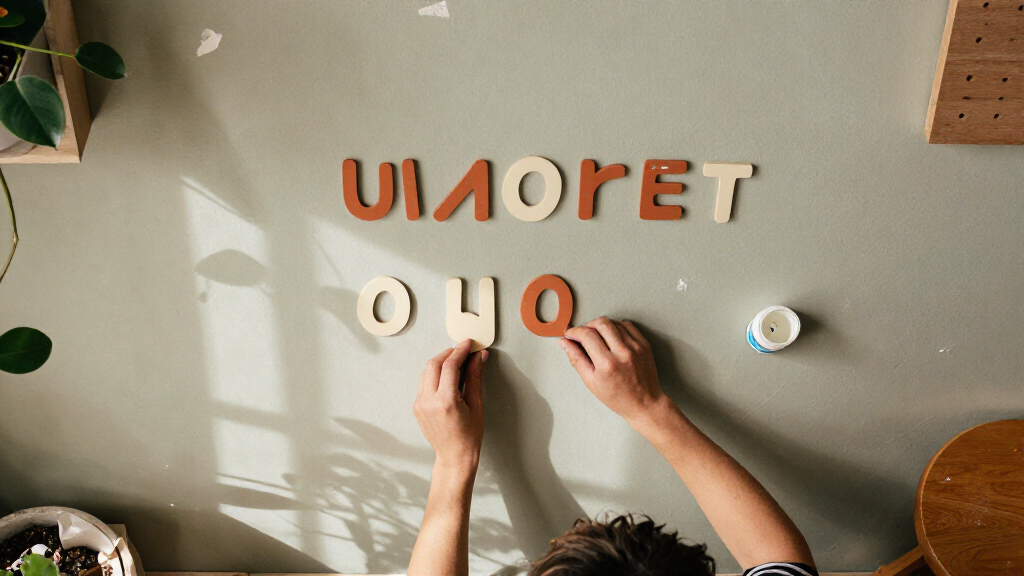
For example, a small home office with pale walls and a wooden desk might suit a muted print with one short line in dark, clear type. A teen’s art corner could handle hand-drawn lettering and a bright patch of orange. In both cases, the same phrase could feel completely different because the design sets its pace.
Recent styles include minimalist typography, neutral palettes, oversized statements, and line art paired with text. Some people prefer a nature image—a leaf, a mountain outline, a quiet horizon—because it softens a strong phrase. Others want the words to stand alone. Neither choice is automatically better; look at the colors and shapes already in the room.
Check legibility before committing. A thin script may look elegant in a product photo but blur from across your desk. If the print sits above a sofa or near a doorway, favor strong contrast and lettering you can read at that distance.
Put the art where a useful reminder can meet your day
Place quote art where you naturally pause or look, then choose a size that fits the wall and the viewing distance. Near a desk, it can catch your attention between tasks; by an entryway, it might greet you as you leave. A print hidden behind a door won’t serve the same purpose, however lovely it looks.
Try this simple placement check before you hang anything:
- Pick the moment: Decide when you hope to see the phrase, such as before a workout or while you sit down to write.
- Find the natural sightline: Stand or sit where that moment happens and notice which wall you already face.
- Measure the space: Include nearby furniture and leave enough room for the artwork to breathe.
- Check the reading distance: Use a paper mock-up or tape outline, then step back to see whether the text remains clear.
Imagine a runner hanging a short reminder beside the shoe rack. A compact print there may fit better than a large piece over the bed, since it meets the person at the moment they put on their shoes. A classroom teacher could place an encouraging phrase at students’ eye level rather than above a high shelf.
For a gallery wall, repeat a few colors, frame styles, or themes so the pieces feel related. You can vary the sizes for a lively arrangement; paper templates help you test the spacing before you put holes in the wall.
Compare prints, framed art, canvas, and digital downloads
The best format depends on your budget, wall, and how much setup you want. A poster is light and often affordable; framed art has a finished edge and protects the paper; canvas brings texture and can hang without a frame. Digital downloads let you choose where and how to print, but you take on more of the print-quality decisions.
Think of a renter who wants a low-cost update and may move soon. A lightweight poster in a simple frame could be easy to pack, while a stretched canvas may suit someone who wants a ready-to-hang piece with a more textured surface. For a gift, a framed print can feel complete, though its size and frame style need to suit the recipient’s home.
| Format | What you get | Check before choosing |
|---|---|---|
| Poster | Lightweight, usually economical | Paper weight, finish, and frame needs |
| Framed print | A polished look and paper protection | Frame dimensions, glazing, and mounting |
| Canvas | Visible texture and a substantial feel | Construction, depth, and whether it needs a frame |
| Digital file | Flexible size and printing choices | Resolution, file types, printer specs, and usage rights |
Product photos don’t tell you everything. Read the listed dimensions and material details, and for downloads check which file sizes and ratios the seller provides. A file made for a small square print may not stretch cleanly into a tall poster.
Check quote credits and permissions before you buy or sell
A quote’s popularity does not tell you whether you can reproduce it. Copyright can apply to the wording, and a person’s name or likeness can raise separate rights questions. If you plan to sell a design, verify its source and permissions rather than assuming that a quote is free to use.
For instance, a hobby designer making a print for their own room has different practical needs from a small shop listing dozens of slogan posters. Commercial use can involve copyright, trademark, publicity, and attribution rules. Public-domain status depends on the work and the jurisdiction, so a quote that seems old may still need checking.
When you shop, look for a clear author credit if the design attributes the words to a particular person. If you’re making your own piece, consider an original phrase—perhaps a line your family uses before a big event. That can feel more personal and sidestep confusion about who wrote a familiar slogan.
Material claims deserve the same clear-eyed attention. Some buyers look for sustainable paper or locally produced prints, but environmental impact varies by seller, materials, shipping, and production. Read the details behind a claim instead of treating a green label as a full explanation.
Use the art as a cue, not a promise of instant motivation
A visible phrase can remind you of an intention, but it cannot guarantee motivation, productivity, or well-being. The art is more like a note pinned to the fridge than a magic switch: it can bring an idea back into view, while your circumstances and actions still matter.
Suppose a student hangs “One page at a time” above a desk during exam season. The words might help them return to the next page after checking their phone, especially if they’ve already set out their notes. The print alone won’t make studying easy or remove stress. It simply gives a chosen thought a place in the room.
That distinction matters when choosing a gift, too. A gentle phrase about patience may suit someone who’s taking a new path; a slogan about constant hustle may land badly if they’re tired. Ask yourself whether the message leaves room for real life, including slow days and changing plans.
Let the phrase point toward one small action: close the extra browser tabs, put on your walking shoes, or send the first draft. A reminder is useful when it meets a next step you can actually take.
If a message stops resonating, you can move it, replace it, or write a new one. A home is allowed to change as your priorities do.
Frequently Asked Questions
What makes a motivational quote print effective?
A print is more likely to catch your attention when its message feels relevant, its lettering is easy to read, and its placement suits the room. For example, a short phrase beside a writing desk may be more useful than a long quote across the room.
Where should I hang motivational wall art?
Choose a spot you naturally see at the moment you want the reminder, such as near a desk, entryway, workout area, or classroom display. Test the sightline from where you sit or stand before hanging it.
Are printable quote posters worth buying?
They can be flexible and quick to access, especially if you already have a printer or local print shop in mind. Check the file resolution, available sizes, print instructions, and usage rights; the final quality depends on the file and the materials you use.
Can I use a famous quote in art I sell?
Not automatically. Copyright, trademark, publicity, and attribution rules may apply, and public-domain status varies by work and jurisdiction. Verify the source and permissions before selling a design that uses someone else’s words or likeness.
Does motivational quote wall art improve motivation?
Some people find that a visible phrase brings a chosen idea to mind, but people respond differently. Treat the art as a personal reminder tied to a practical action, not as a promise of results.
Conclusion
Choose the phrase you’ll want to see on an ordinary day, then give it a readable design and a place you naturally look. A modest print beside your desk can do its job just as well as an oversized statement piece if the words feel like yours.
Think of it as a small signpost on the wall: it can point toward the next step, while you decide where to walk.