
To improve your sleep quality, stick to a consistent sleep schedule, going to bed and waking up at the same time every day. Create a sleep-friendly environment that’s cool, dark, and quiet, and avoid screens at least an hour before bed. Limit caffeine and alcohol intake, and engage in relaxing activities before bedtime. Regular exercise and stress reduction techniques also help. Keep these habits in mind, and you’ll discover more ways to enjoy better, restorative sleep.
Key Takeaways
- Maintain a consistent sleep schedule, going to bed and waking up at the same times daily.
- Create a sleep-friendly environment that is cool, dark, quiet, and comfortable.
- Limit screen time before bed and establish relaxing pre-sleep routines like reading or meditation.
- Avoid stimulants like caffeine, nicotine, and heavy meals close to bedtime.
- Incorporate regular physical activity and stress-reduction techniques to enhance sleep quality.

Have you ever wondered why some nights you wake up feeling refreshed while others leave you exhausted? The difference often comes down to the quality of your sleep. Improving your sleep isn’t just about clocking enough hours; it’s about making those hours restorative. Small changes in your daily habits and environment can have a significant impact on how well you sleep and, ultimately, how you feel during the day.
First, prioritize consistency. Going to bed and waking up at the same time every day helps regulate your internal clock. When your body knows what to expect, it can prepare for sleep more effectively. Even on weekends, try to stick to your routine to avoid disrupting your circadian rhythm. This consistency makes it easier to fall asleep quickly and experience deeper, more restful sleep cycles.
Maintaining a consistent sleep schedule helps regulate your internal clock and promotes restorative sleep.
Next, create a sleep-friendly environment. Your bedroom should be cool, quiet, and dark. Temperature plays a *essential* role—aim for around 65°F (18°C)—as too hot or cold can disturb your rest. Use blackout curtains or an eye mask to eliminate light, which can interfere with melatonin production. Consider earplugs or a white noise machine if noise is an issue. Your bed should be comfortable, supporting your body properly to prevent aches that can wake you up. Additionally, sleep environment factors like air quality and bedding material can influence sleep quality. Improving these aspects can lead to a more consistent and uninterrupted sleep experience. Incorporating sleep-promoting scents such as lavender can also help signal your body that it’s time to relax. Optimizing these factors can significantly enhance sleep quality and duration.
Limit screen time before bed. The blue light emitted by phones, tablets, and computers suppresses melatonin, the hormone that signals your body it’s time to sleep. Try to avoid screens at least an hour before bedtime. Instead, engage in relaxing activities like reading a book, gentle stretches, or meditation to help your mind wind down. Establishing a calming pre-sleep routine signals to your body that it’s time to relax.
Watch what you consume in the hours leading up to sleep. Caffeine and nicotine are stimulants that can keep you awake long after you’ve consumed them. Try to cut off caffeine after mid-afternoon, and avoid nicotine altogether if possible. Alcohol might initially make you feel sleepy, but it disrupts your sleep cycles and can lead to fragmented rest. Instead, opt for a light snack if you’re hungry, and stay hydrated, but don’t drink large amounts of fluids right before bed to prevent disruptions caused by bathroom trips.
Finally, incorporate physical activity into your day, but avoid vigorous exercise close to bedtime. Regular activity helps you fall asleep faster and deepens sleep, but exercising too late can have the opposite effect by increasing adrenaline and alertness. Find a time that works for you, ideally earlier in the day, to boost your overall sleep quality. Engaging in mindfulness techniques can also help reduce stress and prepare your body for restful sleep. Being mindful of your sleep patterns and making adjustments accordingly can further improve your nightly rest.
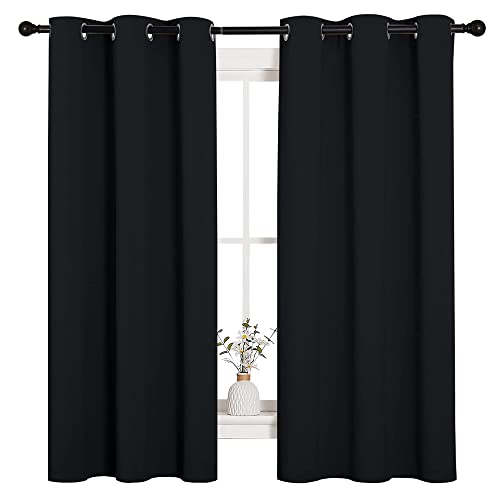
NICETOWN Pitch Black Solid Thermal Insulated Grommet Blackout Curtains/Drapes for Bedroom Window (2 Panels, 42 inches Wide by 63 inches Long, Black)
READY MADE: Package only includes 2 blackout curtain panels, each 42" wide x 63" long when fully spread,…
As an affiliate, we earn on qualifying purchases.
As an affiliate, we earn on qualifying purchases.
Frequently Asked Questions
Can Certain Foods Help Improve Sleep Quality?
Yes, certain foods can help improve your sleep quality. You should try eating foods rich in tryptophan, like turkey, nuts, and seeds, which boost serotonin production. Incorporate complex carbs such as oats or whole grains to promote relaxation. Dairy products like yogurt or milk contain calcium that supports sleep. Avoid caffeine and heavy meals before bed, and opt for light, sleep-friendly snacks to help you fall asleep faster and enjoy deeper rest.
How Does Sleep Quality Affect Mental Health?
Poor sleep can profoundly impact your mental health, making you feel anxious or depressed. For example, if you consistently wake up feeling unrefreshed, you might struggle to concentrate or manage stress effectively. When your sleep quality improves, your mood stabilizes, and your mind becomes clearer. Better sleep helps regulate emotions and reduces anxiety, giving you a stronger mental foundation to handle daily challenges.
Are Naps Beneficial or Harmful for Nighttime Sleep?
Naps can be beneficial if you take short ones, around 20-30 minutes, which boost your alertness without disrupting nighttime sleep. However, long or late naps might make it harder to fall asleep at night or cause fragmented sleep. You should listen to your body and schedule naps earlier in the day, ensuring they complement your nighttime rest rather than interfere with it.
What Are the Signs of a Sleep Disorder?
You might have a sleep disorder if you often struggle to fall asleep, stay asleep, or wake up feeling exhausted. Other signs include loud snoring, choking during sleep, or restless legs. If you experience excessive daytime fatigue, irritability, or difficulty concentrating, these could also indicate a disorder. Don’t ignore persistent symptoms—see a healthcare professional to get a proper diagnosis and treatment plan.
How Does Sleep Impact Immune System Function?
Think of your immune system as a fortress, and sleep as the vigilant guardian that keeps it strong. When you sleep well, your body produces infection-fighting cells and antibodies more effectively, boosting your defenses. Poor sleep, like an inattentive guard, weakens this barrier, making you more vulnerable to illnesses. Prioritize quality sleep to strengthen your immune fortress and stay healthier in the long run.
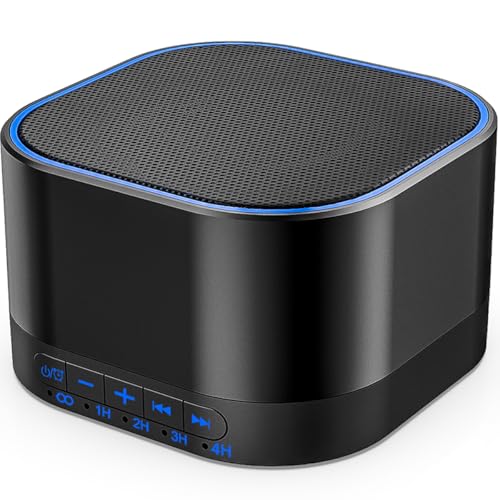
Magicteam Sound White Noise Machine with 20 Non Looping Natural Soothing Sounds and Memory Function 32 Levels of Volume Powered by AC or USB and Sleep Sound Timer Therapy for Baby Kids Adults
❤20 Non-Looping Sleep Sounds: White noise ,Brown noise, pink noise, blue noise, fan,brook, rain, ocean,bird and Bonfire,suitable for…
As an affiliate, we earn on qualifying purchases.
As an affiliate, we earn on qualifying purchases.
Conclusion
By making small changes, you’ll notice better sleep and brighter days. Establish a routine, create a calming environment, and limit screen time before bed. These simple steps, combined with consistent effort, naturally lead to deeper, more restful sleep. Sometimes, it’s the little habits that make the biggest difference—without even realizing it, you’ll wake up feeling refreshed and ready. Sleep well, because your health and happiness depend on it, and every good night’s rest is a step toward a better you.

Dr Teal's Calm Blend Spray with Melatonin, Lavender & Chamomile Essential Oils, 6 fl oz (Pack of 3)
ESSENTIAL OIL BLEND: Soak in a blend of relaxing and rejuvenating essential oils
As an affiliate, we earn on qualifying purchases.
As an affiliate, we earn on qualifying purchases.

EGOHOME 12 Inch Queen Memory Foam Mattress for Back Pain, Cooling Copper Gel Bed in a Box, Foam Made in USA, CertiPUR-US Certified, Therapeutic Medium Firm, Double 60x80x12 Black
CertiPUR-US Certified & Endorsed by ICA – Foam proudly made in USA, EGO BLACK mattress is crafted for…
As an affiliate, we earn on qualifying purchases.
As an affiliate, we earn on qualifying purchases.