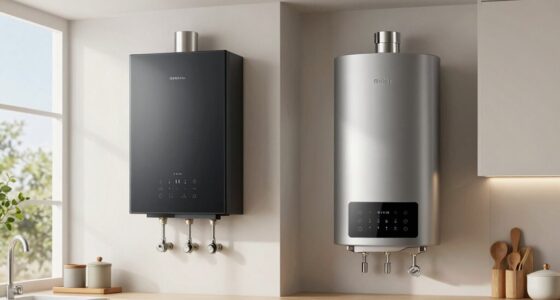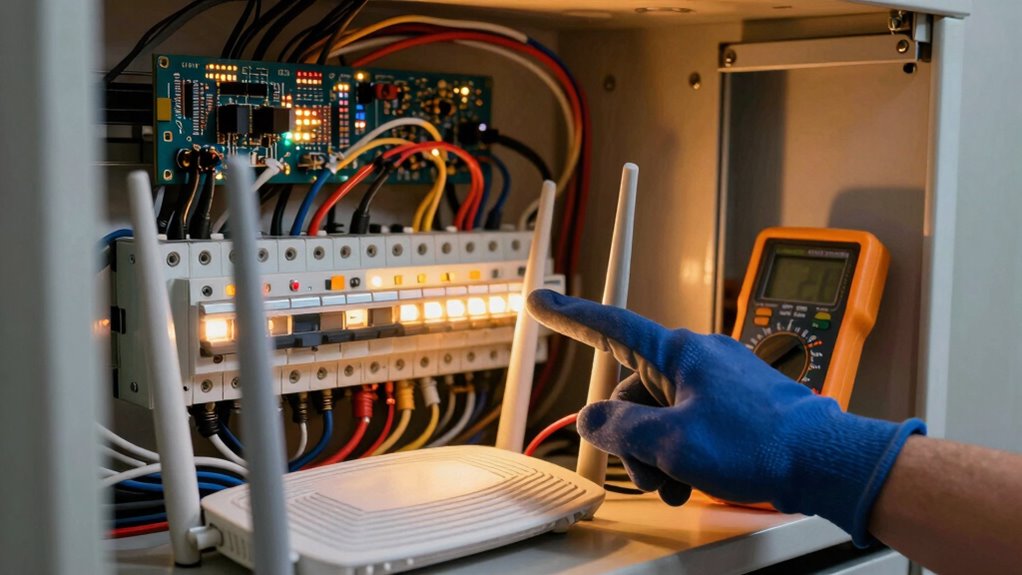

When home systems stop working, your first step is to identify which areas are affected, like heating, water, or electricity. Check your circuit breaker or fuse box to see if a switch is tripped; resetting it might restore power quickly. Prioritize safety, and don’t hesitate to call a professional if you suspect a larger issue. Stay alert for more tips here to help you respond effectively and keep your home running smoothly.

Get the little things that make your day delivered free — and shop member deals
- Fast, free delivery on millions of items
- Access to Prime Big Deal Days deals on October 6–7
- Prime Video, Amazon Music and more included
Key Takeaways
- Check the circuit breaker or fuse box and reset any tripped breakers.
- Identify which systems are affected to prioritize urgent repairs.
- Ensure safety hazards like exposed wires or leaks are addressed first.
- Confirm that essential systems (water, electricity) are functioning or need immediate attention.
- Contact professionals for issues beyond simple troubleshooting or safety concerns.
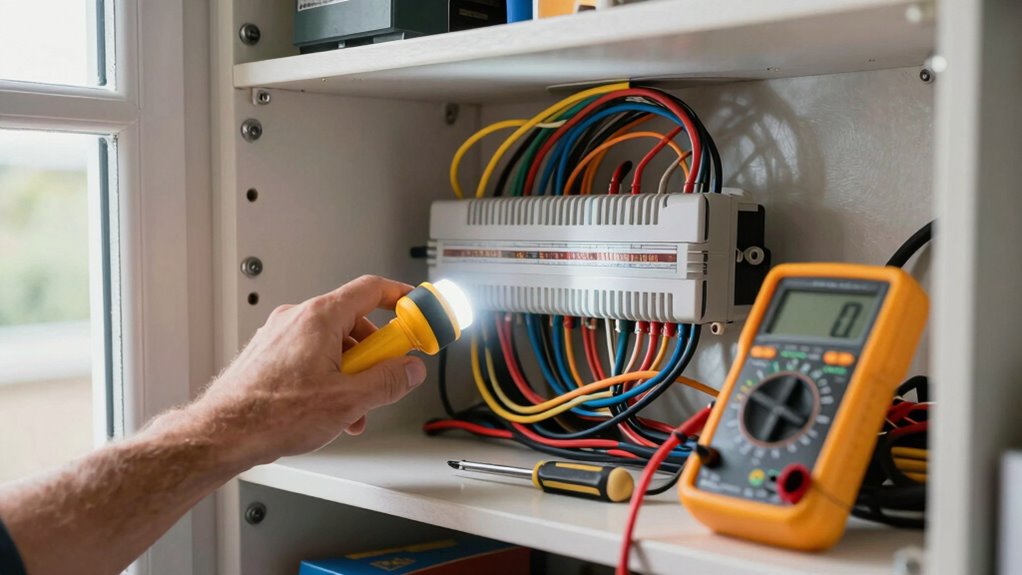
When your home systems suddenly stop working, it can feel overwhelming, but staying calm and knowing where to start can make the situation more manageable. The first step is to assess what’s affected. Is it your heating and cooling, water supply, electricity, or appliances? Pinpointing the problem helps you prioritize your actions. For example, if your power is out, check your circuit breaker or fuse box to see if a tripped breaker caused the outage. Resetting it might restore power quickly. If not, there could be a larger electrical issue requiring a professional. Meanwhile, conserving energy becomes crucial during outages to prevent overloads when power is restored. Unplugging non-essential devices and turning off appliances can prevent surges and help manage limited resources efficiently, aligning with your emergency preparedness plan. Having a backup power source ready can also make a significant difference in such situations.
Understanding how to conserve energy during these times is vital, especially if the outage is prolonged. Use flashlights instead of candles to reduce fire risks, and keep refrigerator and freezer doors closed to preserve cold air. If your water system is affected, avoid unnecessary usage to prevent running out of stored water. In case heating or cooling systems fail, dress appropriately or use blankets to stay warm or cool, depending on the weather. Additionally, being aware of home automation systems can help you better control and monitor your household’s energy consumption remotely, which is increasingly common in modern homes. These small steps ensure your household remains safe and comfortable until systems are restored. Additionally, having household safety supplies on hand is essential for quick response and safety during outages or system failures.
Conserve energy during outages by using flashlights, keeping fridge doors closed, and dressing appropriately for comfort.
Your next move should involve checking the safety of your environment. Ensure there are no hazards like exposed wires or leaks. If you have a generator, verify it’s functioning correctly before relying on it. Always follow safety instructions when operating backup systems to avoid accidents. If the problem seems beyond simple fixes, don’t hesitate to contact a professional. Quick response can prevent further damage and ensure your home’s systems are properly repaired.
Throughout this process, keep your emergency preparedness plan handy. It should include essentials like emergency contacts, a supply of clean water, non-perishable food, and basic tools. Knowing where your emergency supplies are stored can save time and reduce stress. Staying organized and prepared allows you to handle the situation more effectively, minimizing inconvenience and ensuring safety. Once your home systems are back online, review what caused the failure and consider preventative measures. This proactive approach helps you stay ready for future disruptions, making your home more resilient and your response more efficient.
As an affiliate, we earn on qualifying purchases.
Frequently Asked Questions
How Can I Prevent Future Home System Failures?
To prevent future home system failures, focus on improving energy efficiency and scheduling regular system upgrades. You can do this by maintaining appliances, HVAC, and plumbing, ensuring they’re up to date and functioning most effectively. Installing smart systems can monitor performance and alert you to issues early. Regular inspections and timely upgrades help catch potential problems before they escalate, saving you money and avoiding unexpected breakdowns.
When Should I Call a Professional Instead of DIY?
Did you know that nearly 30% of DIY home repairs turn into costly emergencies? When should you call a professional instead of DIY? If a repair involves complex electrical work, gas lines, or plumbing beyond basic troubleshooting tips, it’s safest to hire an expert. Prioritize DIY safety by knowing your limits, and don’t hesitate to get professional help to avoid safety hazards or further damage.
Are There Safety Risks With Troubleshooting Electrical Issues?
Yes, troubleshooting electrical issues carries safety risks like electrical hazards, which can cause shocks or fires. Always follow safety precautions, such as turning off power at the circuit breaker before inspecting outlets or wiring, wearing insulated gloves, and avoiding contact with exposed wires. If you’re unsure or uncomfortable, it’s best to call a professional. Prioritizing safety helps prevent accidents and guarantees the problem gets resolved correctly.
How Do I Identify if My System Is Under Warranty?
You can verify your system’s warranty by checking the manufacturer’s website or your purchase receipt for warranty details. Look for warranty verification or system coverage info, which helps determine if repairs or replacements are covered. Don’t assume your system isn’t under warranty; sometimes, coverage continues beyond initial expectations. Contact customer service for confirmation and to clarify any terms. This step saves you time and money before troubleshooting further.
What Tools Are Essential for Basic Home Repairs?
For basic home repairs, you need a reliable DIY toolbox and a repair checklist. Your toolbox should include essentials like a hammer, screwdrivers, pliers, a tape measure, and a utility knife. Use your repair checklist to prioritize tasks and make sure you don’t forget anything. These tools help you handle common issues efficiently, saving time and money, and empowering you to tackle minor repairs confidently before calling in professionals.
As an affiliate, we earn on qualifying purchases.
Conclusion
When your home systems take a nosedive, remember, you’re the captain steering through choppy waters. Start with the basics—check the power, reset the breakers, and examine your appliances. Think of it as untangling a knot; sometimes, the simplest step clears the way. Stay calm and methodical, and you’ll navigate these hiccups smoothly. Before you know it, you’ll have your home humming along like a well-oiled machine again, ready to face whatever comes next.
As an affiliate, we earn on qualifying purchases.
As an affiliate, we earn on qualifying purchases.
Halloween Picks
halloween
As an affiliate, we earn on qualifying purchases.