
One of the most overlooked spots in your kitchen is the handles on drawers, cabinets, and appliances. These surfaces get touched constantly, transferring bacteria, food particles, and germs without you noticing. Regularly cleaning them with disinfectant or mild soap can greatly reduce the spread of bacteria and keep your kitchen safer. If you keep this in mind, you’ll discover simple ways to maintain a truly hygienic cooking space—more tips await if you keep going.
Key Takeaways
- Kitchen handles, including cabinet and drawer pulls, are frequently touched and often overlooked during cleaning.
- Regularly disinfect these handles to prevent the spread of bacteria and germs.
- Surfaces like countertops and cutting boards harbor hidden microbes if not cleaned properly.
- Sponges and cloths can harbor bacteria and should be disinfected or replaced frequently.
- The kitchen sink requires consistent cleaning to prevent bacterial buildup and maintain hygiene.
The Hidden Germs Lurking in Your Kitchen
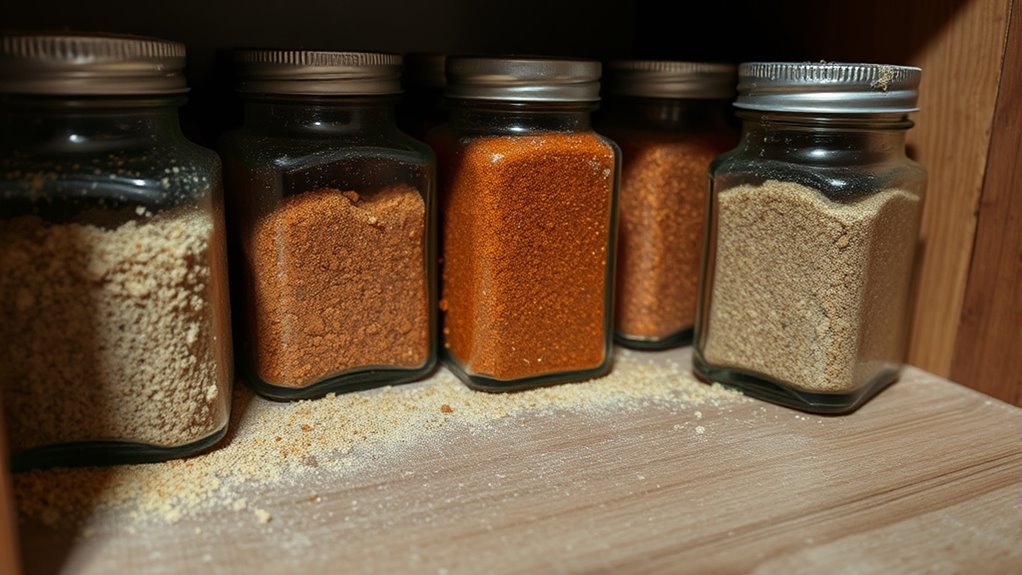
Have you ever wondered what germs might be hiding in your kitchen? The truth is, your kitchen is a hotspot for bacteria and viruses. Surfaces like countertops, cutting boards, and handles can harbor germs from raw meat, produce, or even just daily use. These microbes can survive for hours or even days if not properly cleaned. Spills, crumbs, and moisture create perfect breeding grounds. You might think washing dishes or wiping counters is enough, but some germs cling stubbornly to surfaces. Bacteria like Salmonella, E. coli, and Norovirus can cause illness if they spread to your food or hands. Knowing where these hidden germs lurk helps you understand the importance of regular, thorough cleaning to keep your kitchen safe.
Why Your Sponges and Cloths Deserve More Attention
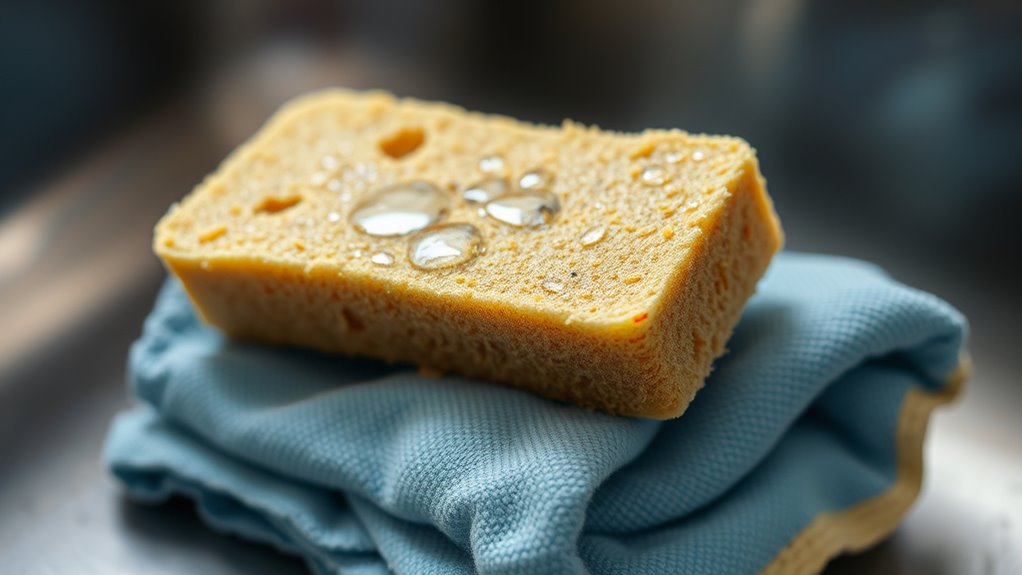
Your sponges and cloths can harbor dangerous bacteria if not cleaned properly. Bacterial buildup increases the risk of cross-contamination and illness. Using the right cleaning techniques is essential to keep these items hygienic and safe.
Bacteria Buildup Risks
Even when they seem clean, sponges and cloths can harbor dangerous bacteria that thrive in moist environments. These microbes can multiply quickly, turning your cleaning tools into breeding grounds for germs like E. coli and salmonella. When you use a dirty sponge or cloth, you risk transferring bacteria onto dishes, countertops, and utensils, increasing your chances of illness. Over time, bacteria buildup can cause infections or food poisoning, especially if you don’t replace or disinfect your cleaning supplies regularly. Moisture and leftover food particles create ideal conditions for bacteria to flourish. Ignoring this buildup means unknowingly spreading germs around your kitchen. Regularly inspecting, rinsing, and replacing your sponges and cloths is essential to reduce bacterial risks and keep your kitchen safe.
Proper Cleaning Methods
Since sponges and cloths are frequently exposed to moisture and food particles, they require proper cleaning methods to stay hygienic. To keep bacteria at bay, you should:
- Microwave damp sponges for 1-2 minutes to kill germs
- Run cloths through hot water and wash regularly
- Soak sponges in a vinegar solution weekly
- Replace sponges every few weeks
- Air-dry them thoroughly after each use
These simple practices prevent mold and bacteria buildup, keeping your kitchen safer. Regular cleaning isn’t just about freshness; it’s about health. Don’t overlook your cleaning tools—they’re the first line of defense against germs. Proper care guarantees they don’t become breeding grounds, protecting you and your family. Stay vigilant, and give your sponges and cloths the attention they deserve.
The Surprising Dirt That Accumulates on Your Refrigerator Handles
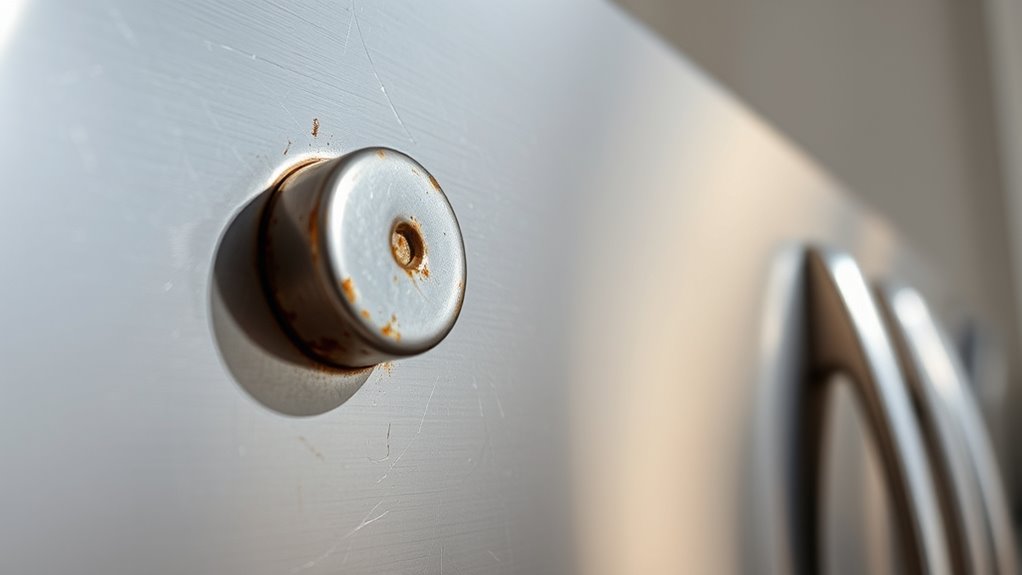
Many people overlook the grime that builds up on refrigerator handles, but these spots can harbor surprising amounts of dirt and germs. Every day, your hands touch the handle dozens of times, transferring bacteria, grease, and food particles. Over time, these contaminants accumulate, creating a sticky, grimy film that’s easy to miss. This buildup isn’t just unsightly; it can also spread germs that cause illness. You might not see the dirt at first, but it’s there, lurking on surfaces you touch regularly. Regularly wiping down your refrigerator handles with a disinfectant can considerably reduce bacteria and keep your kitchen healthier. Don’t neglect this often-forgotten spot—cleaning your handles should become part of your routine to prevent the spread of germs.
How Often You Should Be Cleaning Your Kitchen Sink
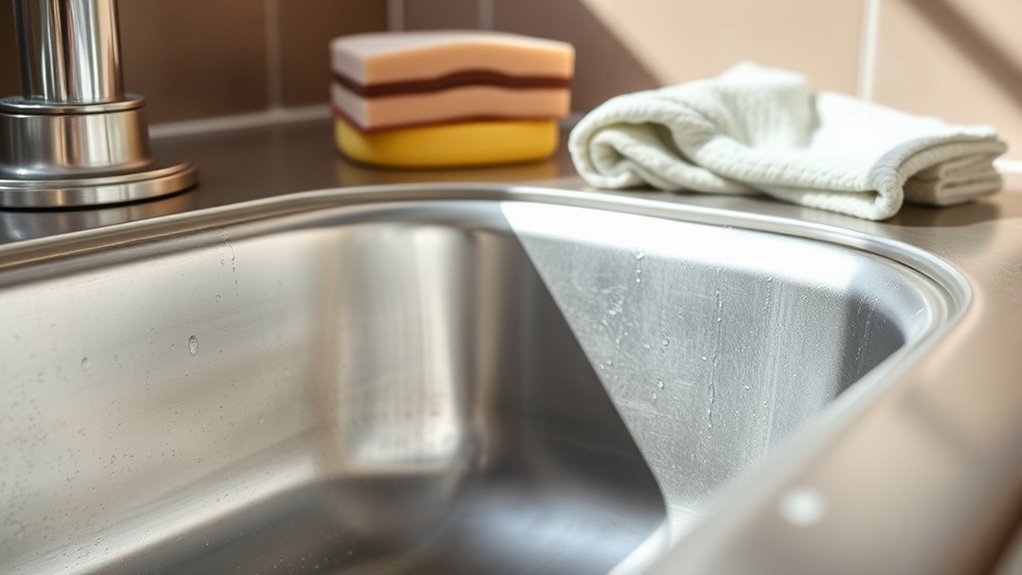
Your kitchen sink is one of the most frequently used surfaces in your home, making regular cleaning essential for a hygienic environment. Ideally, you should disinfect your sink daily to prevent bacteria buildup. At a minimum, clean it thoroughly twice a week with hot water and soap. If you notice stains, odors, or residue, clean it immediately to maintain cleanliness. Remember to scrub the drain and faucet handles regularly as well.
Here are some tips to keep your sink spotless:
- Wipe down after each use
- Use a disinfectant weekly
- Clean the drain and garbage disposal monthly
- Avoid leaving dirty dishes in the sink overnight
- Check for soap scum buildup regularly
Staying consistent keeps your sink fresh and germ-free.
The Role of Drawer and Cabinet Handles in Bacterial Spread
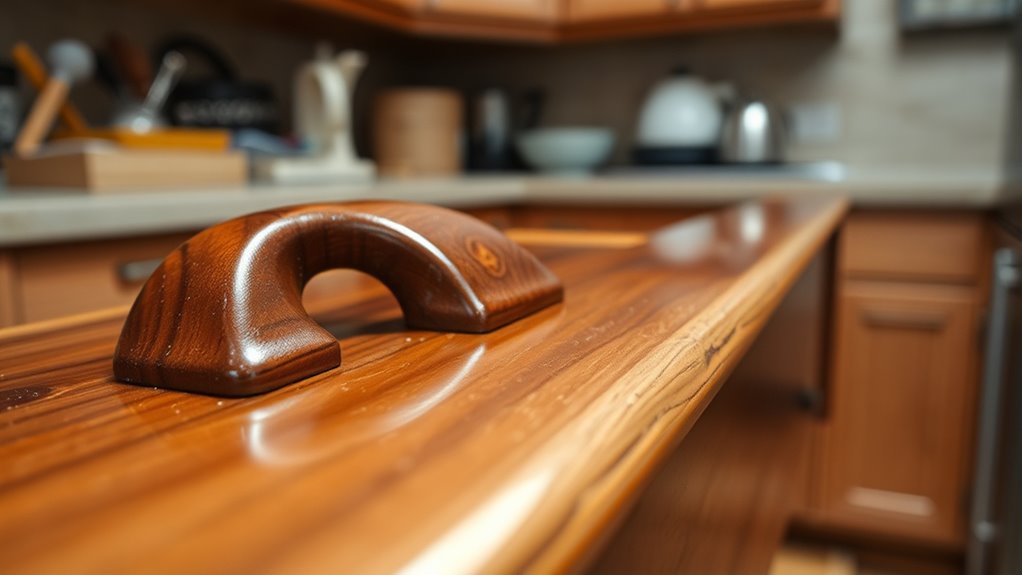
Drawer and cabinet handles are often overlooked as hotspots for bacteria. These surfaces are touched frequently, making them prime hubs for bacterial transfer. Regularly cleaning handles with proper techniques helps reduce the risk of spreading germs in your kitchen.
Handles as Bacterial Hubs
Handles in your kitchen serve as frequent contact points, making them prime hotspots for bacterial transfer. Every day, you touch these surfaces after handling raw meat, produce, or cleaning supplies, unknowingly spreading germs. These bacteria can survive and multiply on handles, creating a reservoir for contamination.
- Transfer germs to other surfaces or foods
- Spread bacteria to family members
- Harbor unseen dirt and food particles
- Increase risk of foodborne illnesses
- Accumulate bacteria despite visible cleanliness
Because handles are touched so often, they act as bacterial hubs, amplifying the spread of germs throughout your kitchen. Regularly cleaning and disinfecting these surfaces can substantially reduce bacterial buildup and protect your household’s health. Ignoring handles only prolongs the cycle of contamination and increases your risk of illness.
Proper Handle Cleaning Techniques
Because drawer and cabinet handles are frequently touched surfaces, they can quickly become breeding grounds for bacteria if not cleaned properly. To keep them sanitary, start by gathering a mild dish soap, warm water, and a microfiber cloth. Dampen the cloth with the soapy solution and wipe down each handle thoroughly, paying attention to crevices and edges. For stubborn grime or bacteria, use a solution of equal parts water and white vinegar or a disinfectant safe for your handles. Rinse the cloth with clean water and wipe again to remove any residue. Dry the handles with a clean towel to prevent water spots and bacteria growth. Regular cleaning, at least once a week, helps reduce bacteria spread and keeps your kitchen safer.
Easy Tips to Keep This Overlooked Spot Fresh and Clean
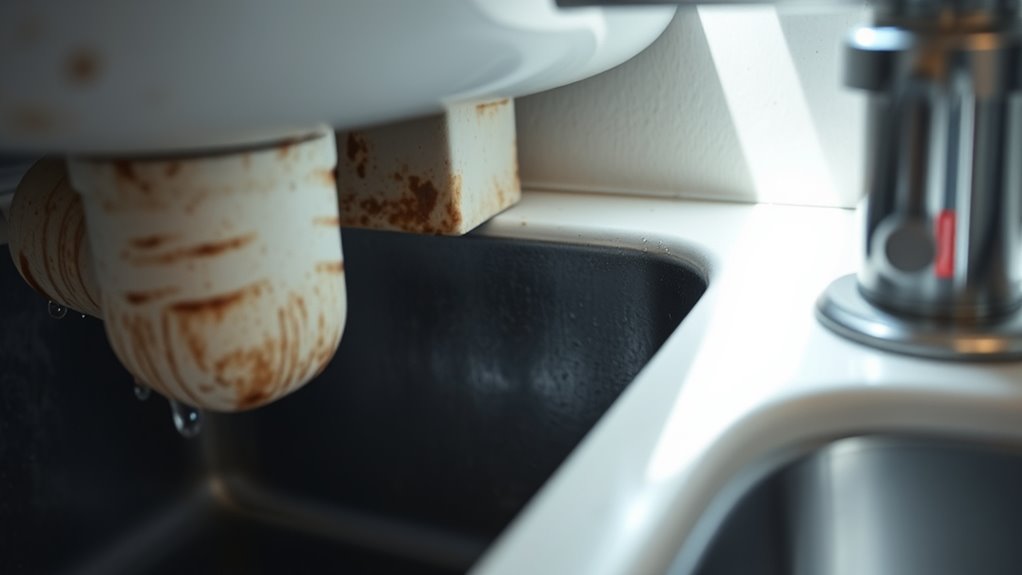
Keeping your kitchen faucet clean can be easy if you follow a few simple tips. First, wipe it down regularly with a soft cloth to prevent soap scum and water spots. Use a mixture of equal parts water and vinegar to remove mineral buildup—just spray, let sit, then wipe. For hard-to-reach areas, a small brush or old toothbrush works wonders. Be sure to dry the faucet after cleaning to avoid streaks.
Here are some quick tips:
- Wipe daily with a microfiber cloth
- Use vinegar for mineral deposits
- Clean aerators with a toothbrush
- Avoid harsh abrasives
- Dry thoroughly after each wash
Following these steps keeps your faucet sparkling and hygienic without much effort.
Frequently Asked Questions
How Often Should I Replace My Kitchen Sponge?
You should replace your kitchen sponge every one to two weeks. Sponges harbor bacteria and mold, especially when damp and left out. To keep your kitchen hygienic, rinse the sponge thoroughly after each use and squeeze out excess water. If it starts to smell bad, develop mold, or fall apart, toss it sooner. Regular replacement helps prevent the spread of germs and keeps your kitchen cleaner.
Can Bacteria From Drawer Handles Cause Illness?
Yes, bacteria from drawer handles can cause illness if you don’t clean them regularly. When you touch handles, germs transfer to your hands and can enter your body through your mouth or eyes. To stay safe, wash your hands often, especially after touching handles, and wipe down the handles with disinfectant at least weekly. Keeping these surfaces clean helps prevent the spread of bacteria and keeps your kitchen healthier.
What Is the Best Way to Disinfect Refrigerator Handles?
To disinfect your refrigerator handles effectively, start by wiping them down with a damp cloth soaked in warm water and mild dish soap. Then, apply a disinfectant like a solution of 70% rubbing alcohol or diluted bleach (1 tablespoon bleach to 1 gallon water). Let it sit for a few minutes, then wipe clean with a dry cloth. Regular cleaning helps prevent bacteria buildup and keeps your kitchen safer.
Are Dishwasher-Safe Cloths More Hygienic Than Air-Dried Ones?
Dishwasher-safe cloths are generally more hygienic than air-dried ones because they’re cleaned at high temperatures that kill bacteria and germs. When you run them through the dishwasher, you guarantee thorough sanitization, reducing the risk of spreading bacteria. Air drying, on the other hand, may leave some microbes behind, especially if the cloths aren’t properly rinsed or dried quickly. So, using dishwasher-safe cloths helps keep your kitchen healthier.
Should I Clean Under Appliances Like the Stove and Fridge?
Absolutely, you should clean under your appliances like the stove and fridge. Think of it as giving your kitchen a fresh start—hidden dirt and crumbs can hide there, inviting pests and bacteria. By regularly pulling them out and cleaning underneath, you prevent buildup and maintain a healthier space. Plus, it’s easier to spot potential issues before they become costly repairs. Keep that area tidy; your kitchen will thank you!
Conclusion
Think of your kitchen as a busy city, where germs are like tiny, sneaky residents. If you ignore the hidden spots—sponges, handles, and sinks—they’ll multiply like a crowded subway. Just like regular city maintenance keeps things running smoothly, cleaning these overlooked areas keeps your kitchen safe and fresh. Don’t let unseen germs build up; a quick wipe here and there keeps your kitchen a healthy, welcoming place for everyone.