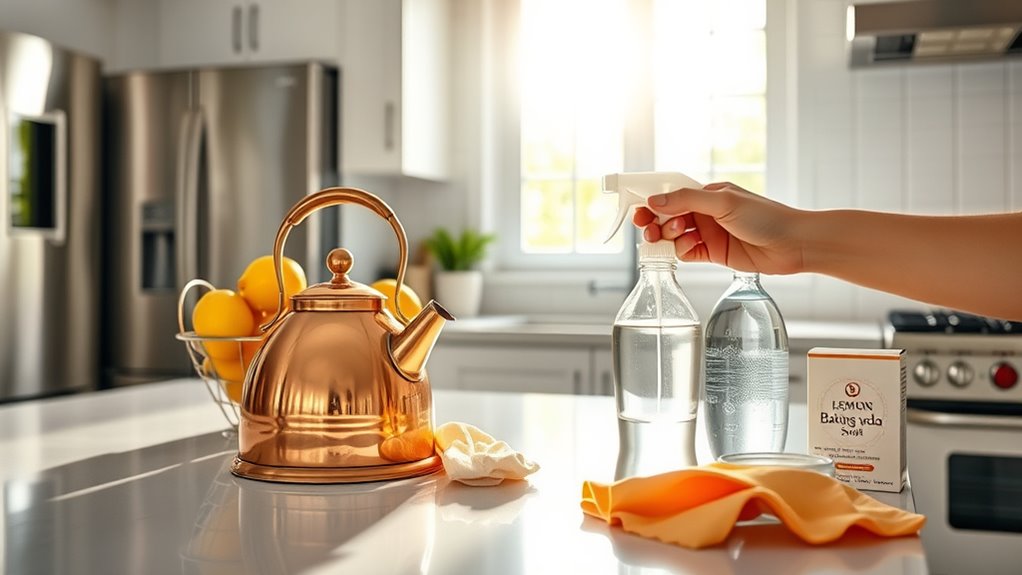

Discover 10 simple, natural cleaning hacks your grandma would love, like using baking soda to freshen carpets and upholstery or lemon juice to brighten whites. Vinegar works wonders on glass and mirrors, while toothbrushes help scrub hard-to-reach spots. Rubbing alcohol removes sticky residues, and baking soda with vinegar clears blocked drains. Plus, dryer sheets dust and static, hydrogen peroxide brightens fabrics, and baby oil conditions wood. Keep going to learn these timeless, effective tips you can trust.
Key Takeaways
- Natural remedies like baking soda, lemon, and vinegar effectively clean, deodorize, and brighten surfaces without harsh chemicals.
- Using toothbrushes for grout and detailed surfaces ensures thorough cleaning in hard-to-reach areas.
- Combining baking soda and vinegar provides an eco-friendly method to clear drains and remove stubborn buildup.
- Rubbing baby oil on wood restores shine, conceals scratches, and maintains natural luster safely.
- Household items like cornstarch, hydrogen peroxide, and dryer sheets offer versatile, affordable cleaning solutions trusted by grandmothers.
Use Baking Soda for Freshening Up Carpets and Upholstery
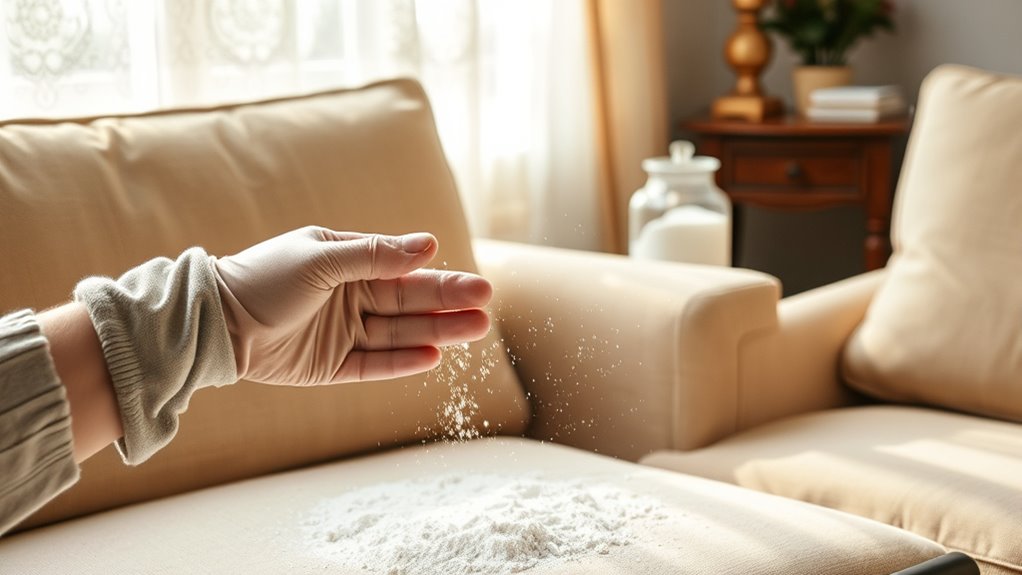
Baking soda is a simple yet effective way to refresh your carpets and upholstery. You can start by sprinkling a generous layer over the surface, focusing on areas with odors or stains. Let it sit for at least 15 minutes, or for deeper freshness, leave it overnight. The baking soda absorbs odors and loosens dirt, making cleaning easier. After the waiting period, vacuum thoroughly to remove all residue. For upholstery, you can also create a cleaning spray by mixing baking soda with water, then lightly mist the fabric before vacuuming. This simple hack revitalizes your space without harsh chemicals. Regular use keeps your carpets and furniture smelling fresh and looking clean, saving you time and money on professional cleaning.
Lemon Juice to Whiten and Brighten Whites
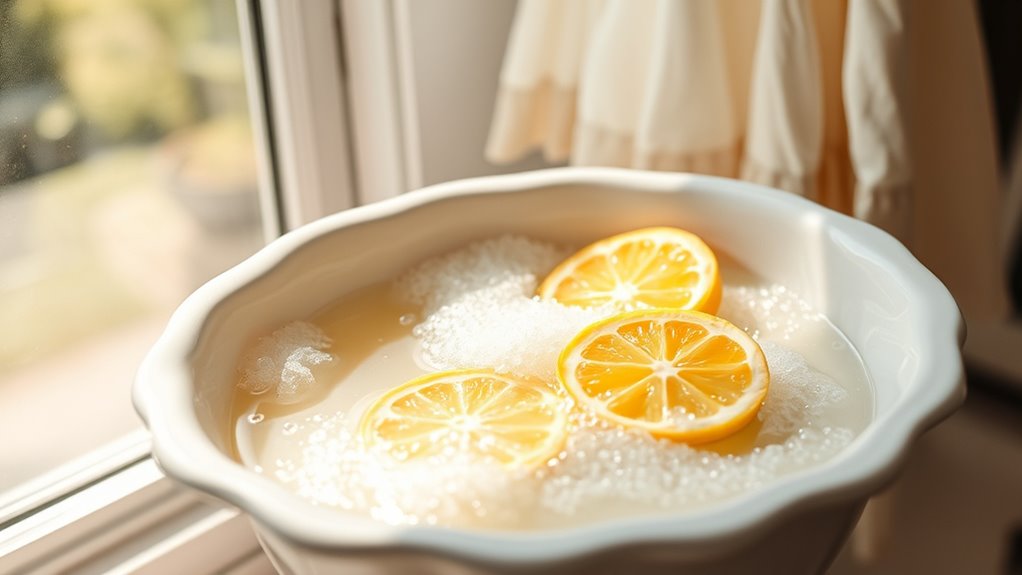
Have you ever wondered how to naturally brighten your white laundry without harsh chemicals? Lemon juice is your answer. Its natural acidity cuts through grime and stains, leaving your whites crisp and vibrant. To use, add half a cup of lemon juice to your washing machine along with your usual detergent. For stubborn stains, make a paste of lemon juice and baking soda, then apply directly to the fabric before washing. The citric acid breaks down discoloration and restores whiteness. Plus, lemon leaves a fresh, clean scent without synthetic fragrances. This simple hack is safe for most fabrics and environmentally friendly. With regular use, your whites will stay bright, fresh, and sparkling, all while avoiding harsh bleaches or chemicals.
Vinegar for a Natural Window and Mirror Shine
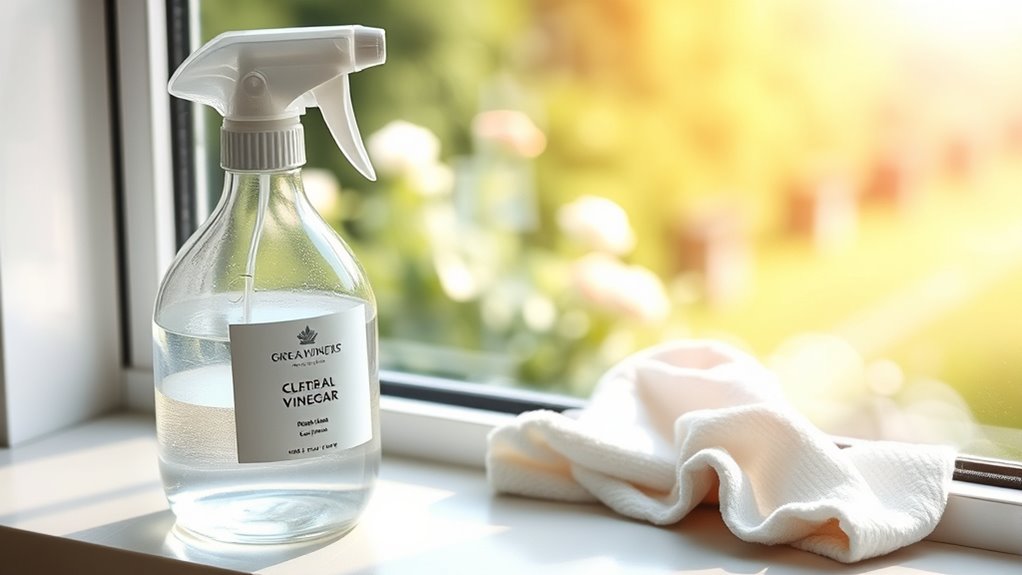
After brightening your whites with lemon juice, you can achieve a streak-free shine on your windows and mirrors using vinegar. Vinegar’s natural acidity cuts through grease, dirt, and grime without harsh chemicals. Mix equal parts white vinegar and water in a spray bottle for an effective, eco-friendly cleaner. Spray onto glass surfaces, then wipe with a microfiber cloth or newspaper for a sparkling finish. Using vinegar regularly prevents buildup and keeps your windows crystal clear. Keep in mind:
- Always test on a small area first to avoid streaks
- Avoid using vinegar on tinted or sensitive surfaces
- Wipe in circular motions for the best shine and no streaks
This simple hack saves money, reduces chemical use, and delivers impressive results.
Toothbrushes for Hard-to-Reach Corners and Details
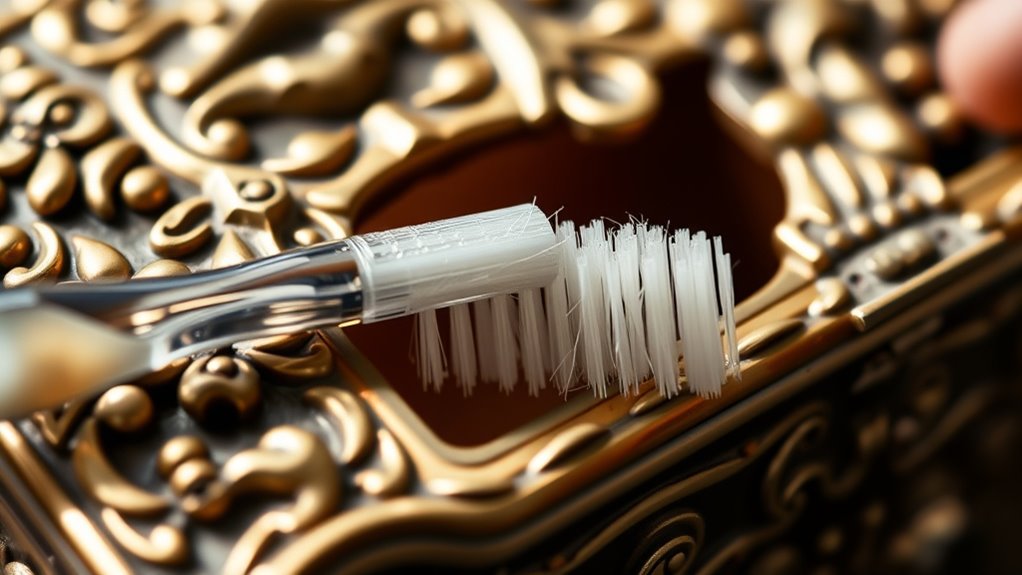
When cleaning hard-to-reach corners and intricate details, a toothbrush becomes an invaluable tool. Its small size and bristle flexibility let you scrub tight spots, corners, and crevices effectively. Use it on grout lines, around faucet bases, or in tight appliance corners for a thorough clean. Dipping the brush in a cleaning solution enhances its effectiveness, making stubborn grime easier to remove.
| Area to Clean | Recommended Technique |
|---|---|
| Grout lines | Scrub with a toothbrush dipped in baking soda paste |
| Faucet bases | Reach into crevices with gentle scrubbing |
| Inside vents or vents grills | Brush dust and debris out with light pressure |
| Small decorative details | Carefully clean without damaging delicate parts |
Rubbing Alcohol to Remove Sticky Residues
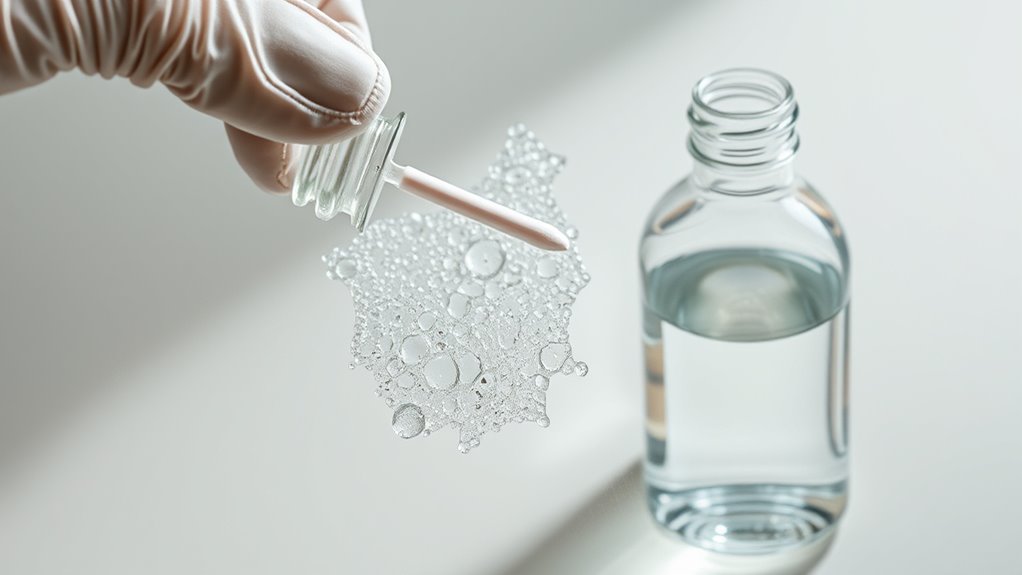
Rubbing alcohol is a powerful solution for removing sticky residues from various surfaces. It dissolves stubborn gunk quickly and safely, making cleanup easier. Just guarantee you test it on a small area first to avoid any damage.
Effective Residue Dissolver
Rubbing alcohol is a practical solution for tackling sticky residues on various surfaces. Its fast-evaporating nature makes it perfect for breaking down adhesives, glue, or sticky spots without damaging the material. To use, apply a small amount of rubbing alcohol directly onto the residue and let it sit for a few seconds. Then, gently scrub with a cloth or sponge until the sticky stuff loosens and lifts away. For best results, keep these tips in mind:
- Test on a small, hidden area first to ensure no surface damage
- Use a soft cloth to avoid scratching
- Reapply if residue persists, but avoid excessive rubbing
This simple hack can save you time and effort, making messy residues vanish with ease.
Safe Surface Cleaner
A small amount of rubbing alcohol can be your best friend for safely removing sticky residues from delicate surfaces. It dissolves adhesives without harsh chemicals, making it ideal for glass, plastic, and painted surfaces. To use, dampen a soft cloth with alcohol and gently wipe the sticky area. Avoid excessive rubbing to prevent damage. For stubborn spots, let the alcohol sit for a few seconds before wiping away. Here’s a quick reference:
| Surface Type | Recommended Use |
|---|---|
| Glass | Yes |
| Painted Surfaces | Use sparingly, test first |
| Plastic | Yes, but avoid prolonged contact |
Keep in mind, always test a small area first to ensure compatibility. Rubbing alcohol is a safe, effective solution for quick cleanups.
Cornstarch for Grease and Oil Absorption
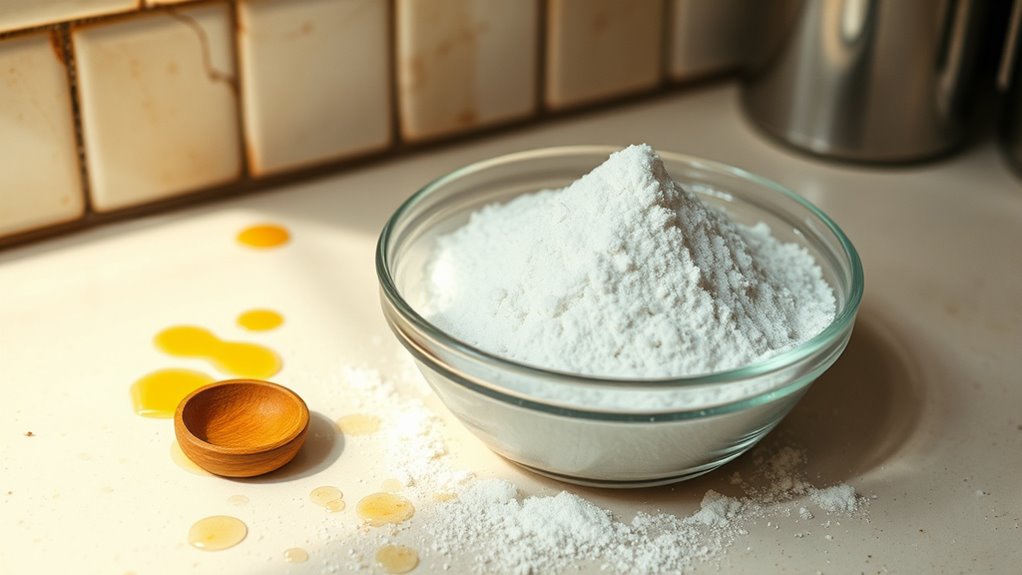
Ever wonder how to quickly tackle greasy stains on clothing or upholstery? Cornstarch is your secret weapon. It absorbs excess oil and grease effortlessly, saving you time and effort. Simply sprinkle a generous amount directly onto the stain and let it sit for 15-20 minutes. Then, brush off the powder and wash as usual. For best results, repeat if needed. This hack works well on fresh stains and helps prevent them from setting. Keep in mind:
Sprinkle cornstarch on greasy stains, wait 15 minutes, then brush off and wash for easy cleaning.
- Cornstarch is safe for most fabrics and surfaces
- It can be used on furniture, clothing, and even car seats
- For stubborn stains, combine with a mild detergent after applying cornstarch
With this simple trick, greasy messes become much easier to handle, and your belongings stay cleaner longer.
Baking Soda and Vinegar for Clogged Drains
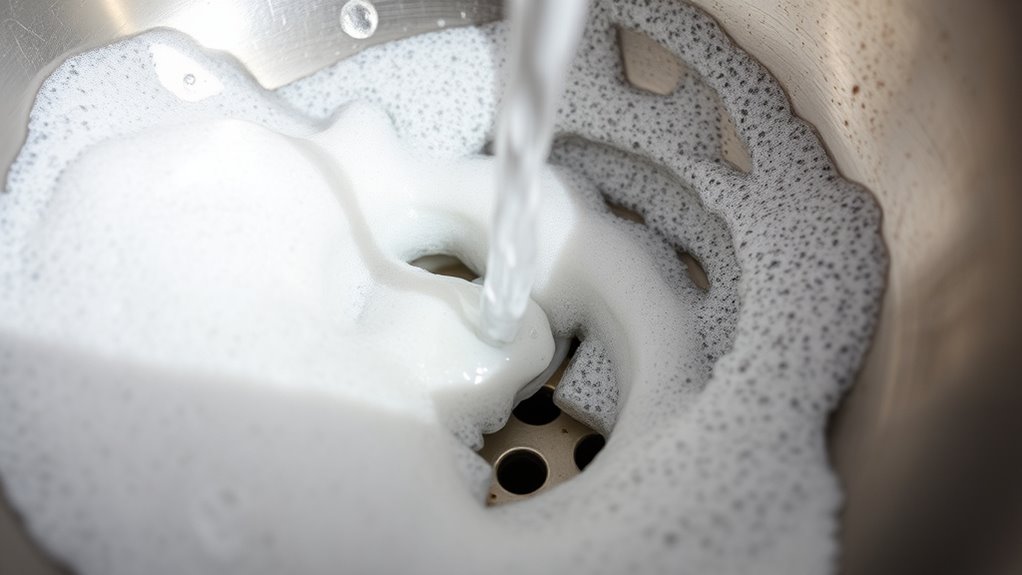
Using baking soda and vinegar is a natural way to clear clogged drains without harsh chemicals. This safe household solution can break down buildup and keep your pipes flowing smoothly. It’s an easy, eco-friendly hack you can try anytime.
Natural Drain Clearing
Wondering how to clear a stubborn clog without harsh chemicals? You can try a simple, natural method using baking soda and vinegar. First, pour about half a cup of baking soda directly into the drain. Follow that with half a cup of vinegar; you’ll see fizzing action that helps break down grime and debris. Cover the drain with a plug or cloth to contain the reaction. After about 30 minutes, flush the drain with hot water to wash away loosened buildup. This method is effective because:
- It’s environmentally friendly and chemical-free
- The fizzing action helps loosen stubborn blockages
- It’s safe for pipes and your household
Regular use can keep your drains clear without resorting to harsh cleaners, saving you money and effort.
Safe Household Solution
A natural and safe way to clear a clogged drain involves using simple household ingredients: baking soda and vinegar. First, pour about half a cup of baking soda directly into the drain. Follow it with half a cup of vinegar. You’ll notice fizzing and bubbling—that’s the reaction breaking down the blockage. Cover the drain to keep the mixture from escaping and let it sit for 15-30 minutes. During this time, the chemical reaction works to loosen debris and dissolve grease. Afterward, flush the drain with hot water to clear out any remaining buildup. This method is effective, eco-friendly, and inexpensive—perfect for tackling minor clogs without harsh chemicals. Plus, it’s safe for your pipes and the environment, making it a reliable household solution.
Dryer Sheets for Dusting and Static Reduction
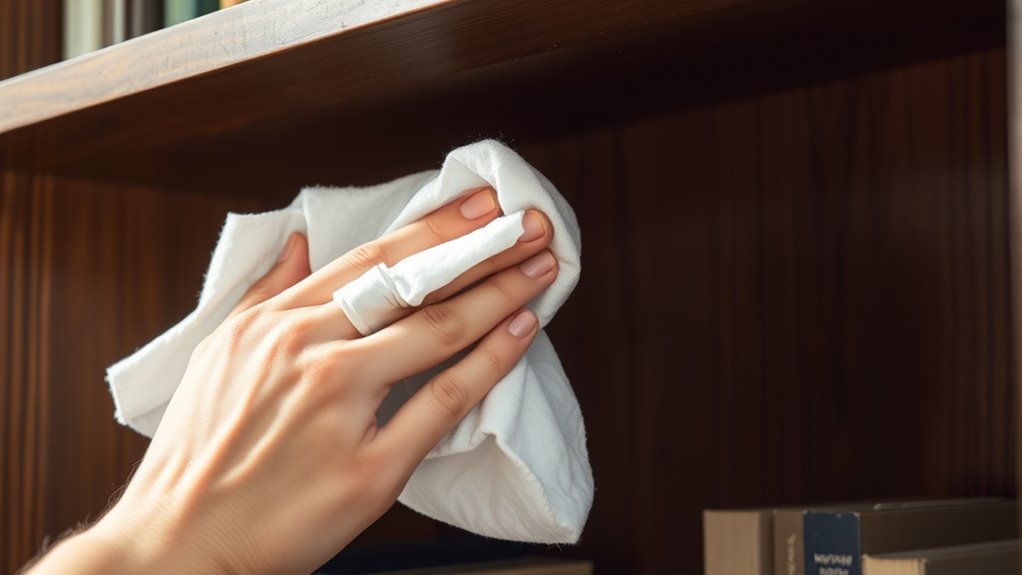
Dryer sheets are surprisingly effective tools for dusting and reducing static cling around your home. You can use them to quickly tame dust on surfaces or electronics, preventing static electricity from attracting more dust. Simply glide a used or fresh sheet over your furniture, blinds, or even your computer monitor to pick up dust and eliminate static charges. This method saves time and money while being gentle on surfaces.
- Use dryer sheets on electronics to reduce static buildup
- Wipe down baseboards and furniture for quick dust removal
- Keep dryer sheets in drawers or cabinets to prevent static cling
Hydrogen Peroxide for Stain Removal on Fabrics
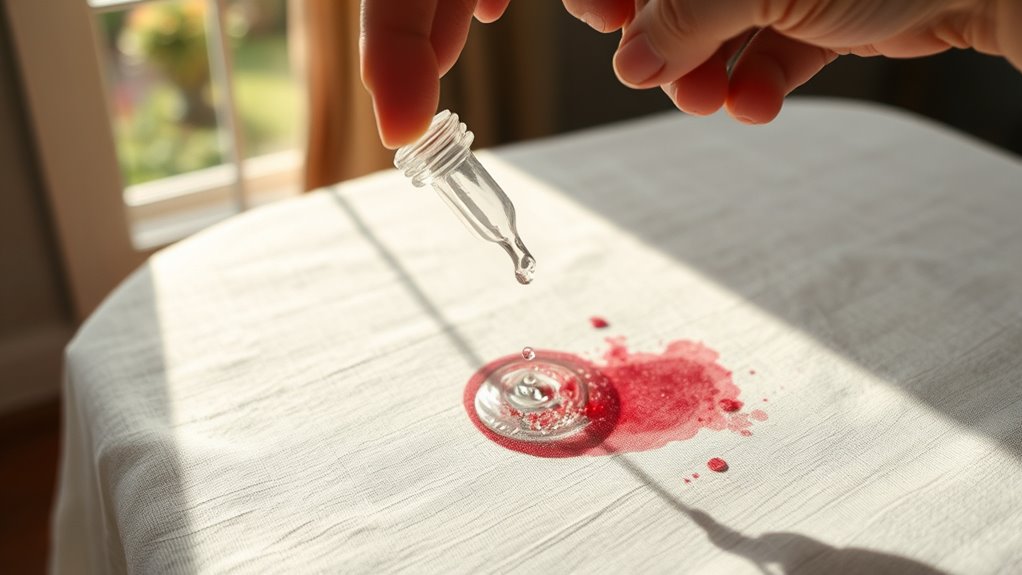
Hydrogen peroxide is a versatile stain remover that can brighten white fabrics and eliminate organic stains. It’s safe for most textiles when used correctly, making it a handy tool in your cleaning arsenal. Let’s explore how this simple trick can refresh your clothes and keep them looking new.
Brightens White Fabrics
When you need to brighten white fabrics and remove stubborn stains, hydrogen peroxide is a powerful solution. It works as a gentle bleaching agent that lifts dirt and dullness, restoring your whites to their original brightness. To use, mix equal parts hydrogen peroxide and water, then soak your fabrics for 30 minutes before washing as usual. This method is safe for most whites and helps eliminate dinginess without harsh chemicals.
Here are some tips to maximize its effectiveness:
- Use a 3% hydrogen peroxide solution for safe application.
- Test a small hidden area first to prevent fabric damage.
- Avoid mixing with vinegar, as it can reduce peroxide’s whitening ability.
Removes Organic Stains
Organic stains like wine, coffee, or grass can be stubborn, but hydrogen peroxide is highly effective in breaking them down. It works by releasing oxygen, which lifts stains from fabric fibers. To use, test a small hidden area first, then pour or spray directly onto the stain. Let it sit for a few minutes before blotting or rinsing. For tough stains, you can mix hydrogen peroxide with a bit of dish soap. Keep in mind that some fabrics may discolor, so always do a patch test.
| Fabric Type | Recommended Treatment | Caution |
|---|---|---|
| Cotton | Apply directly, rinse after 5 minutes | Test for colorfastness |
| Polyester | Use diluted solution, wash afterward | Avoid prolonged exposure |
| Linen | Spot treat with hydrogen peroxide | Check for fabric damage |
| Silk | Consult a professional, as peroxide may harm | Use with caution |
| Wool | Avoid on wool, as it can weaken fibers | Prefer gentle cleaning |
Safe for Most Textiles
Is hydrogen peroxide a safe stain remover for most fabrics? Generally, yes, but it’s best to test first. Hydrogen peroxide works well on whites and colorfast fabrics, effectively lifting stains without damaging the material. However, it may cause discoloration on delicate or dyed fabrics, so always do a patch test. When used properly, it’s a versatile cleaner that can brighten whites and remove stubborn stains. Just remember, overuse or applying directly to sensitive textiles can cause harm. Keep these points in mind:
- Always test on a small, hidden area first.
- Use diluted peroxide for delicate fabrics.
- Avoid prolonged contact to prevent discoloration.
Using hydrogen peroxide carefully ensures you get clean fabrics without risking damage.
Baby Oil to Shine and Condition Wooden Surfaces
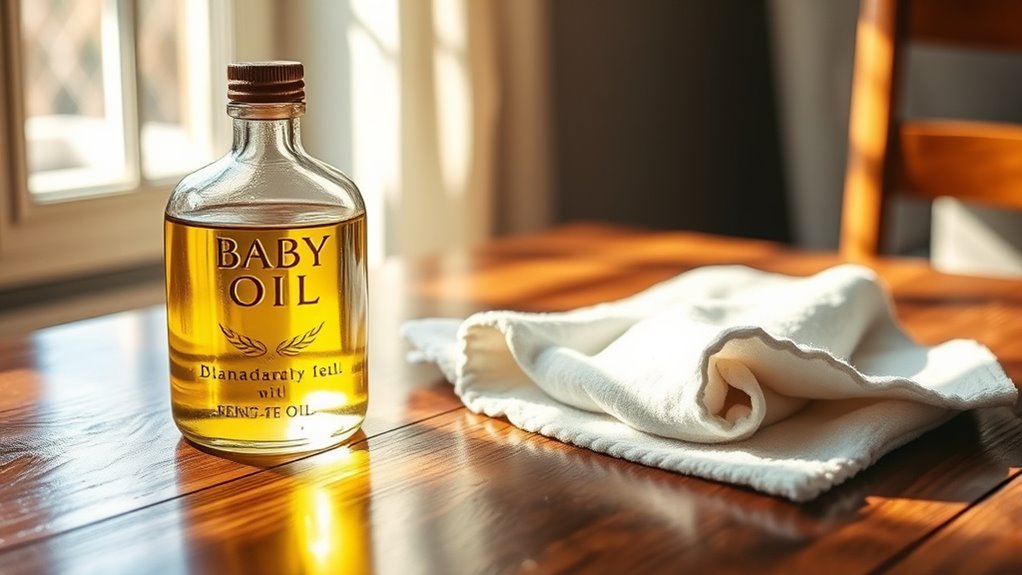
Baby oil is a simple yet effective way to make wooden surfaces look shiny and well-conditioned. Just pour a small amount onto a soft cloth and rub it into the wood in the direction of the grain. This helps restore moisture, enhances the wood’s natural luster, and provides a protective barrier against dust and dirt. You’ll notice an immediate shine, and the surface feels smoother to the touch. Baby oil also helps conceal minor scratches and imperfections, making furniture and wooden decor look newer longer. Be sure to wipe off any excess oil to avoid a greasy residue. Use this hack regularly to keep your wooden surfaces looking polished, healthy, and well-maintained, all without harsh chemicals or expensive products.
Frequently Asked Questions
Can These Cleaning Hacks Be Safely Used Around Children and Pets?
Yes, these cleaning hacks are generally safe around children and pets when you follow proper precautions. You should always read labels and avoid harsh chemicals. Use natural ingredients like vinegar or baking soda, which are non-toxic. Keep cleaning solutions out of reach, and make sure surfaces are dry before letting kids or pets back into the area. With careful handling, you can keep your home clean without risking their safety.
Are There Any Surfaces or Materials That Shouldn’t Be Cleaned With These Methods?
Think of cleaning methods as a key to different doors—some open easily, others might be locked tight. You should avoid using these hacks on delicate surfaces like marble, unsealed wood, or antique finishes, as harsh cleaners can cause damage. Always test a small area first, and when in doubt, check manufacturer instructions. Protect your surfaces like treasure, and your cleaning will be safe and effective.
How Often Should I Apply These Hacks for Best Results?
You should apply these cleaning hacks regularly, ideally once a week, to keep your home fresh and spotless. For high-traffic areas like kitchens and bathrooms, consider cleaning more often—perhaps twice a week. Consistency is key to maintaining cleanliness and preventing buildup. Adjust the frequency based on your household size and lifestyle, but sticking to a routine guarantees your space stays clean and inviting without overwhelming yourself.
Do These Natural Remedies Have Any Potential Health or Safety Risks?
You might find it surprising, but natural remedies can pose health or safety risks if used improperly. For example, mixing certain citrus acids with vinegar can cause skin irritation, and ingesting large amounts of baking soda may upset your stomach. Always test these solutions on small areas first, read labels carefully, and keep them out of reach of children. Safety should always come first, even with grandma-approved hacks.
Can These Techniques Be Used on Delicate or Antique Items?
Yes, you can use these techniques on delicate or antique items, but you should be cautious. Always test a small, hidden area first to check for any damage or discoloration. Use gentle methods and mild solutions, avoiding harsh chemicals. For valuable or fragile antiques, consider consulting a professional restorer. Taking these precautions guarantees you clean effectively without risking harm to your treasured items.
Conclusion
With these timeless cleaning tricks, your home becomes a sanctuary where dirt fears to tread. Imagine turning everyday ingredients into mighty cleaning superheroes, each one ready to banish grime and bring back sparkle. So, roll up your sleeves and embrace these grandma-approved hacks—your house will shine brighter than a diamond in the sun, and you’ll feel like a cleaning wizard wielding the magic of natural remedies every day.