
Practicing meditation regularly boosts your emotional resilience by reducing stress, promoting self-awareness, and supporting a positive outlook. It also improves your physical health by lowering inflammation, enhancing sleep, and calming the nervous system. Additionally, meditation sharpens your focus, increases mental clarity, and builds resilience against anxiety. These combined benefits lead to a healthier, happier you, and exploring further can reveal even more ways mindfulness supports your well-being.
Key Takeaways
- Meditation reduces stress, lowers cortisol levels, and improves sleep quality, supporting overall physical health.
- It enhances emotional stability by increasing self-awareness and decreasing reactivity to negativity.
- Regular practice boosts focus, mental clarity, and productivity, helping manage anxiety and overwhelm.
- Meditation promotes cardiovascular health by regulating heart rate and blood pressure.
- It fosters mindfulness and presence, leading to greater life satisfaction and emotional resilience.

Have you ever wondered how meditation can improve your life? It’s not just about sitting quietly; it’s a powerful tool that can transform your mental and physical well-being. When you dedicate even a few minutes each day to mindfulness, you start to notice changes in your mood, thoughts, and body. Meditation helps you develop a deeper awareness of your feelings and reactions, allowing you to respond more thoughtfully rather than impulsively. This increased self-awareness reduces stress and promotes emotional stability, making everyday challenges easier to handle. Over time, you’ll find that you’re less reactive to negativity and better equipped to maintain a positive outlook.
Meditation fosters awareness, reduces stress, and promotes emotional stability for a healthier, more balanced life.
One of the most immediate benefits of meditation is its ability to lower stress levels. When you meditate, your body shifts into a relaxation response that decreases the production of stress hormones like cortisol. As a result, you may experience a calming effect that lasts well beyond your meditation session. This relaxation response can also improve your sleep quality, helping you fall asleep faster and wake up feeling more rested. Better sleep, in turn, enhances your overall health and boosts your immune system, making you less vulnerable to illness. Meditation also encourages you to slow down and breathe more deeply, which helps regulate your heart rate and lowers blood pressure, supporting cardiovascular health.
Your concentration and mental clarity improve markedly when you meditate regularly. As you practice mindfulness, you train your brain to stay focused on the present moment, reducing distractions and enhancing your ability to prioritize tasks. This heightened focus can increase your productivity and reduce feelings of overwhelm. Additionally, meditation fosters a sense of mental resilience, allowing you to better manage anxiety and worry. It helps you develop a buffer against negative thoughts, making it easier to maintain a balanced perspective even during stressful situations. The more consistent your practice, the more natural these benefits become, creating a ripple effect that positively influences your daily life.
Beyond mental health, meditation can also support your physical health in profound ways. It has been linked to reduced inflammation, improved digestion, and better hormonal balance. Many people notice a boost in their energy levels and overall vitality after making meditation a routine part of their day. By calming your nervous system, meditation helps alleviate chronic pain and reduces symptoms of depression and anxiety. Additionally, practicing mindfulness, which is a core aspect of meditation, enhances your overall awareness and presence. The cumulative effect is a healthier, happier you—more centered, more resilient, and more in tune with your body and mind. With regular practice, meditation becomes a simple yet powerful way to enhance your health and enrich your life.

Retrospec Sedona Zafu Meditation Cushion Filled w/Buckwheat Hulls – Yoga Pillow for Meditation Practices – Machine Washable 100% Cotton Cover & Durable Carry Handle, Crescent, Black
NATURAL COMFORT & SUPPORT: Filled with sustainable buckwheat hulls, this meditation cushion elevates your practice by aligning your…
As an affiliate, we earn on qualifying purchases.
As an affiliate, we earn on qualifying purchases.
Frequently Asked Questions
Can Meditation Replace Traditional Medical Treatments?
No, meditation can’t replace traditional medical treatments, no matter how powerful it seems. While meditation can substantially boost your mental and physical health, manage stress, and complement your treatments, it shouldn’t be your sole remedy for serious conditions. Think of it as a superhero sidekick, supporting your health journey. Always follow your healthcare provider’s advice and use meditation to enhance, not replace, proven medical therapies.
How Long Does It Take to See Health Benefits From Meditation?
You might start noticing health benefits from meditation within a few weeks, especially if you practice daily. Many people report reduced stress, better sleep, and improved focus after just 10 to 15 minutes a day. However, deeper benefits like emotional resilience or lowered blood pressure can take several months of consistent practice. Keep at it, and you’ll likely see positive changes gradually unfold over time.
Are There Any Risks Associated With Meditation Practices?
Like any tool, meditation can have pitfalls if not practiced properly. You might experience increased anxiety, headaches, or feelings of discomfort if you push yourself too hard or meditate in unsuitable settings. Be mindful of your limits, and if you encounter persistent issues, consider consulting a professional. Most risks are avoidable with proper guidance, so approach your practice gently and listen to your body’s signals.
Is Meditation Suitable for Children and Teenagers?
Yes, meditation can be suitable for children and teenagers, but you should tailor practices to their age and attention spans. As a parent or caregiver, guide them with simple, engaging exercises like breathing or guided imagery. Make certain they feel comfortable and motivated, and consider consulting a mindfulness expert if needed. With proper guidance, meditation can help young people manage stress, improve focus, and develop emotional resilience.
What Types of Meditation Are Most Effective for Health Improvement?
You should try mindfulness meditation and loving-kindness meditation for health improvement. Mindfulness helps reduce stress, lowers blood pressure, and boosts immune function by focusing on the present moment. Loving-kindness promotes emotional well-being and reduces anxiety through cultivating compassion for yourself and others. Both types are easy to adapt into your daily routine, and you’ll likely see benefits faster if you practice consistently. Experiment to find which resonates best with you.
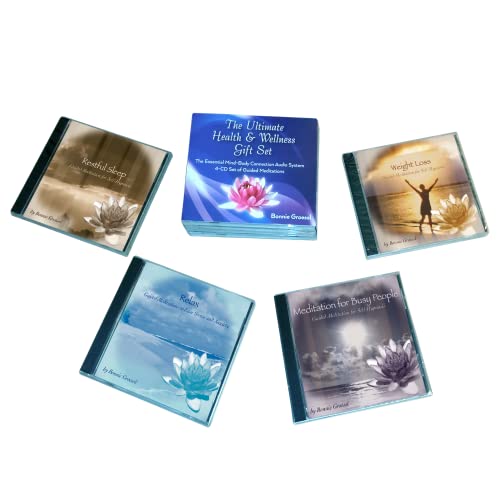
Ultimate Health and Wellness Gift Set: Premium 4-CD Set of Guided Meditations for Better Sleep, Stress Management, Relaxation and Weight Loss by Bonnie Groessl
GUIDED MEDITATION CD GIFT SET – This comprehensive set contains all of the popular guided meditations offered by…
As an affiliate, we earn on qualifying purchases.
As an affiliate, we earn on qualifying purchases.
Conclusion
By embracing meditation, you open the secret to transforming your entire existence, elevating your mind and body to levels of clarity and calmness you never thought possible. It’s like holding the universe’s most powerful elixir in your hands, capable of turning chaos into tranquility and stress into serenity. So, start your practice today—because in just a few moments of mindfulness, you’ll wield the kind of health and happiness most only dream of in their wildest fantasies.

BetterSleep: Relax & sleep with calm sounds and meditations
Over 300 Sounds & Music: Nature sounds, ASMR sounds, White noise, Water sounds, Meditation music, Isochronic Brainwaves, Binaural…
As an affiliate, we earn on qualifying purchases.
As an affiliate, we earn on qualifying purchases.

Breathing Lamp Guided Visual Meditation Tool for Mindfulness,Anxiety Relief&Calm Your Mind for Stress&Visual Relaxation and Restful Sleep,478 Seconds Breathing Rate Change 3 Colors,Gift for Kids
Breathing Lamp Function: A mindful breathing lamp is a powerful and effective tool that can help you reduce…
As an affiliate, we earn on qualifying purchases.
As an affiliate, we earn on qualifying purchases.