
Scientists now understand that Long COVID causes persistent symptoms like fatigue, brain fog, and breathlessness that can last months after infection. These ongoing issues result from immune system dysregulation, leftover viral particles, and organ damage. Researchers are working on identifying biomarkers to improve diagnosis and develop targeted treatments. If you want to learn more about the latest insights and what’s being discovered, keep exploring how scientists are unraveling this complex condition.
Key Takeaways
- Long COVID symptoms can persist for months, affecting quality of life with fatigue, brain fog, and respiratory issues.
- Researchers identify immune dysregulation, residual viral particles, and organ damage as potential causes of ongoing symptoms.
- Diagnosis relies on symptom assessment, with ongoing efforts to find biomarkers for more accurate detection.
- Emerging treatments include anti-inflammatory therapies, rehabilitation, and immunomodulators, with ongoing clinical trials.
- Future research focuses on understanding why some develop long-term symptoms and improving diagnostic and treatment options.

Long COVID continues to affect a significant number of people even months after initial infection, highlighting the need for a clearer understanding of its persistent symptoms. If you’re experiencing ongoing fatigue, brain fog, shortness of breath, or muscle pain long after recovering from COVID-19, you’re not alone. Researchers are actively investigating what causes these lingering effects and how best to treat them. While the scientific community has made progress, many questions remain about why some individuals develop long-term symptoms while others recover completely. Understanding these factors is vital for developing effective interventions and providing better care.
Long COVID symptoms can persist for months, affecting recovery and quality of life.
Current studies suggest that Long COVID may involve a combination of immune system dysregulation, residual viral particles, and damage to various organs. You might notice that your symptoms fluctuate or persist without a clear trigger, which can be frustrating. Scientists are exploring how the immune response to the initial infection could become maladaptive, leading to ongoing inflammation that damages tissues even after the virus is cleared. This inflammation could explain symptoms like fatigue, joint pain, and cognitive difficulties. Additionally, some research points to the possibility that remnants of the virus or viral RNA remain in the body, prompting a continuous immune response that keeps symptoms alive. These findings highlight how complex the condition is and why a one-size-fits-all approach isn’t effective. Moreover, understanding the role of color accuracy in diagnostics could help in developing more precise detection methods for Long COVID.
In terms of diagnostic efforts, scientists are working on identifying biomarkers—specific biological indicators—that could help confirm Long COVID and predict its course. This could eventually lead to more accurate diagnoses and personalized treatments. Right now, diagnosis mainly relies on symptom reports and ruling out other conditions, which can be tricky because symptoms overlap with other illnesses. Researchers are also investigating how pre-existing health issues, age, gender, and even genetics influence who develops Long COVID and how severe it becomes. These insights could help identify at-risk populations and tailor treatments accordingly.
Treatment options are still limited, but some promising strategies are emerging. You might be glad to hear that ongoing clinical trials are testing various therapies, including anti-inflammatory drugs, rehabilitation programs, and even immunomodulators. The goal is to alleviate symptoms and improve quality of life. Meanwhile, healthcare providers are emphasizing supportive care, emphasizing the importance of managing symptoms, pacing activities, and mental health support. As research progresses, you’ll likely see more targeted therapies based on a better understanding of the underlying mechanisms. Until then, it’s essential to stay informed and work closely with healthcare professionals to manage symptoms effectively and advocate for ongoing research efforts.

Chronic Fatigue ME/CFS Awareness Empty Tank Long Covid T-Shirt
ME/CFS stands for myalgic encephalomyelitis/chronic fatigue syndrome. The empty fuel gauge symbolizes the relentless chronic fatigue experienced with…
As an affiliate, we earn on qualifying purchases.
As an affiliate, we earn on qualifying purchases.
Frequently Asked Questions
Can Long COVID Symptoms Appear Months After Infection?
Yes, long COVID symptoms can appear months after your initial infection. You might notice fatigue, brain fog, or shortness of breath long after recovering from the virus. It’s important to stay aware of persistent or new symptoms, even if they show up weeks or months later. Keep track of your health and consult a healthcare professional if you experience ongoing issues, so you can get appropriate support and treatment.
Are There Specific Treatments Proven Effective for Long COVID?
There are no universally proven treatments for long COVID yet, but you can manage symptoms through a combination of approaches. Doctors often recommend personalized therapies like physical therapy, mental health support, and medications to alleviate specific issues such as fatigue or brain fog. Staying active within your limits, pacing yourself, and seeking ongoing medical advice can help you navigate symptoms while researchers continue to explore effective treatments.
How Does Long COVID Affect Different Age Groups?
Like Icarus soaring too close to the sun, you might find that long COVID impacts age groups differently. Younger individuals often recover faster, bouncing back like a spring, while older adults may face lingering fatigue and cognitive issues, akin to a heavy fog. Your age influences symptom severity and duration, making it essential to seek tailored care. Recognizing these differences helps you manage expectations and pursue appropriate treatment options.
Is Long COVID Contagious or Can It Spread Again?
Long COVID itself isn’t contagious, so you can’t spread it to others. However, the initial COVID-19 infection that caused Long COVID is contagious, meaning you can pass the virus to someone else if you’re infected. It’s important to continue practicing safety measures like wearing masks and social distancing, especially if you’re experiencing symptoms or have been exposed to the virus, to prevent spreading the initial infection and potentially developing Long COVID later.
What Are the Long-Term Health Risks Associated With Long COVID?
You could face ongoing health issues like fatigue, shortness of breath, brain fog, or chest pain, even months after recovering. Long COVID might also increase your risk of heart problems, muscle weakness, or mental health challenges such as anxiety and depression. These risks highlight the importance of monitoring your health closely and seeking medical help if symptoms persist or worsen over time. Staying informed helps you manage potential long-term effects effectively.

Nootropic Brain Supplement for Memory and Focus Support – Vitamins for Mental Support & Clarity with Bacopa Monnieri, VIT A, B6, Riboflavin, Niacin, Thiamin & Folate – Cognitive Complex – 60 Count
ADVANCED BRAIN SUPPORT FOR MEMORY & FOCUS – Formulated to support cognitive function, mental clarity, and concentration, this…
As an affiliate, we earn on qualifying purchases.
As an affiliate, we earn on qualifying purchases.
Conclusion
As you follow the latest research, it’s clear Long COVID affects over 10% of those infected, highlighting its widespread impact. While scientists are uncovering more about its lingering symptoms, many questions remain. Staying informed helps you understand the risks and supports those affected. Keep an eye on new findings, because understanding Long COVID now may shape better treatments in the future. Knowledge is your best tool in steering this ongoing health challenge.
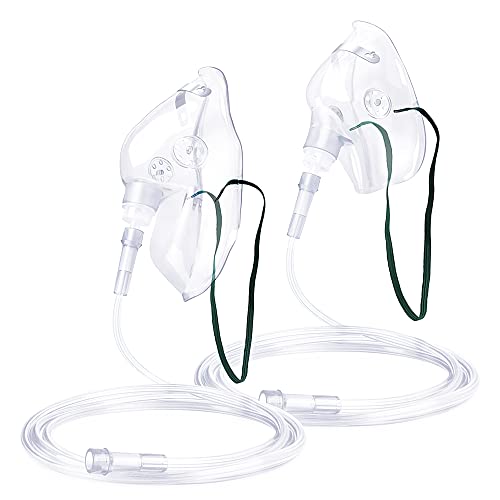
ANSNF 2 Pack Oxygen Mask for Face Adult with 6.6' Tube & Adjustable Elastic Strap – Size M+L (Clear) – NO CUP
No Cup: Come with 2 masks and 2 tubing.(M+L) This oxygen mask is only connected to an oxygen…
As an affiliate, we earn on qualifying purchases.
As an affiliate, we earn on qualifying purchases.

Nature's Bounty Immune 24 Hour +, The only Vitamin C with 24 Hour Immune Support from Ester-C, 1000 mg Vitamin C, D & Zinc, Gluten Free, Rapid Release Softgels, 2 Softgels per Day, 50 Count
24-HOUR IMMUNE SUPPORT: Nature's Bounty Immune 24 Hour + contains the only clinically studied Vitamin C with 24-hour…
As an affiliate, we earn on qualifying purchases.
As an affiliate, we earn on qualifying purchases.