
To improve your digestion and boost immunity, focus on eating fiber-rich and fermented foods like yogurt, sauerkraut, and kimchi, which introduce beneficial probiotics. Stay well-hydrated, manage stress, and get enough sleep to support gut health. Avoid processed foods and excess sugars that can harm your bacteria balance. Regular exercise also stimulates your digestive system. Keep exploring for more tips on maintaining a healthy gut and strengthening your overall wellbeing.
Key Takeaways
- Consume fiber-rich and fermented foods to introduce beneficial probiotics that support gut flora balance.
- Stay well-hydrated and manage stress through relaxation techniques to promote healthy digestion and immune function.
- Limit processed foods, added sugars, and artificial sweeteners to prevent harmful bacterial growth and dysbiosis.
- Engage in regular physical activity and ensure adequate sleep to enhance gut motility and immune health.
- Consider probiotic supplements under professional guidance to further support gut microbiome diversity and overall immunity.
Your gut health plays a essential role in your overall well-being, affecting everything from digestion to immunity. When your digestive system functions smoothly, you not only feel more comfortable but also support your body’s ability to fight off illnesses. Conversely, poor gut health can lead to discomfort, bloating, fatigue, and even long-term health issues. That’s why paying attention to your gut is indispensable for maintaining ideal health.
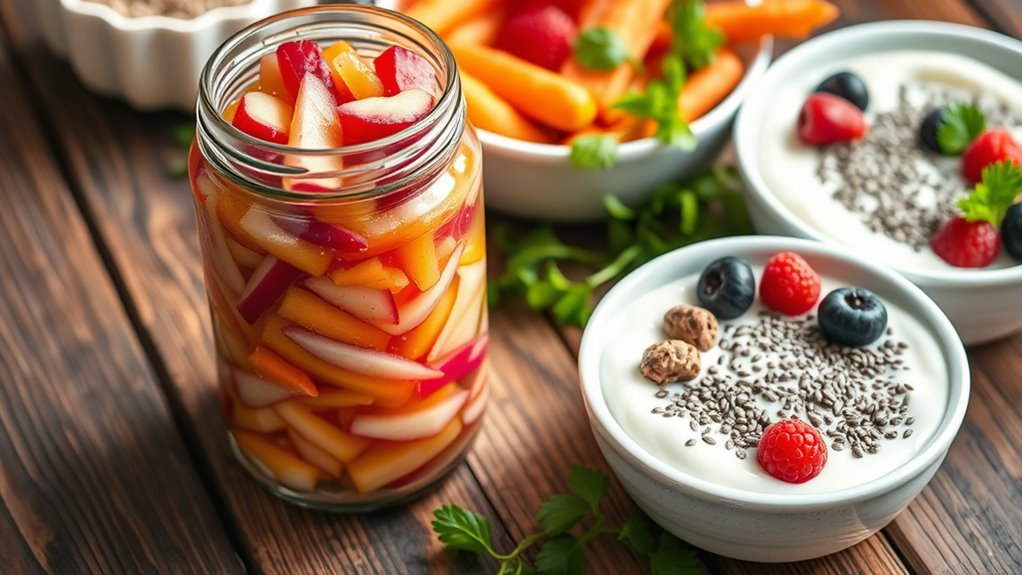
One of the simplest ways to improve your gut health is by paying attention to your diet. Incorporate a variety of fiber-rich foods like fruits, vegetables, whole grains, and legumes. Fiber acts as food for the beneficial bacteria in your gut, helping them thrive. Fermented foods such as yogurt, kefir, sauerkraut, kimchi, and kombucha are also excellent because they contain live probiotics, which introduce healthy bacteria directly into your digestive system. These probiotics can balance your gut flora, reduce inflammation, and support digestion.
Avoid excessive intake of processed foods, added sugars, and artificial sweeteners, as these can disrupt the balance of bacteria in your gut. High sugar levels promote the growth of harmful bacteria and yeast, leading to dysbiosis—an imbalance that hampers digestion and weakens immunity. Drinking plenty of water helps keep your digestive system moving smoothly, preventing constipation and flushing out toxins. Maintaining hydration is fundamental for the proper functioning of your gut.
Managing stress is another crucial factor. Chronic stress releases hormones like cortisol, which can negatively influence your gut bacteria and impair digestion. Incorporate relaxation techniques such as deep breathing, meditation, or gentle exercise into your daily routine. Ensuring you get enough quality sleep also plays a significant role, as sleep deprivation can weaken your immune system and alter gut bacteria composition.
Regular physical activity supports healthy digestion by stimulating intestinal motility and increasing blood flow to your digestive organs. Even moderate exercise, like walking or yoga, can make a difference. If you’re considering supplements, probiotics can be beneficial, but it’s wise to consult with a healthcare professional to find the right strains and doses suited to your needs.
In essence, nurturing your gut involves a combination of healthy eating, stress management, hydration, and lifestyle choices. When you prioritize these habits, you not only improve digestion but also enhance your immune defenses, energy levels, and overall health. Small, consistent changes can lead to significant improvements over time, empowering you to feel better from the inside out. Recognizing the importance of color accuracy in the visual quality of your home cinema can significantly enhance your viewing experience, making it more immersive and enjoyable.

Physician's CHOICE Probiotics 60 Billion CFU – 10 Strains + Organic Prebiotics – Immune, Digestive & Gut Health – Supports Occasional Constipation, Diarrhea, Gas & Bloating – for Women & Men – 30ct
Max Strength General Purpose Probiotic: Our non-refrigerated probiotic is designed to support digestive health & gut health. A…
As an affiliate, we earn on qualifying purchases.
As an affiliate, we earn on qualifying purchases.
Frequently Asked Questions
Can Gut Health Affect Mental Well-Being and Mood?
Yes, gut health can substantially affect your mental well-being and mood. When your gut microbiome is balanced, it produces neurotransmitters like serotonin, which influences happiness and stress levels. Poor gut health can lead to inflammation and disrupt these chemical signals, causing anxiety or depression. By maintaining a healthy gut through proper diet, probiotics, and lifestyle choices, you can improve your mood and mental clarity.
Are Probiotics Effective for Everyone?
Probiotics can be effective for many people, but they don’t work the same for everyone. You might notice improvements in digestion and immunity, especially if you have a gut imbalance or specific conditions. However, some individuals may not see much benefit or could experience mild side effects. It’s best to try different strains and consult with a healthcare professional to determine if probiotics are right for you.
How Do Antibiotics Impact Gut Microbiome?
Antibiotics can considerably disrupt your gut microbiome, killing beneficial bacteria along with harmful ones. For example, a patient taking antibiotics for an infection might experience diarrhea or yeast overgrowth afterward, showing how antibiotics deplete helpful microbes. This imbalance can weaken digestion and immunity. To counteract this, you should consider eating probiotic-rich foods or taking supplements during and after antibiotic use to help restore your gut health.
What Are Signs of an Unhealthy Gut?
You might notice signs of an unhealthy gut if you experience frequent bloating, gas, or diarrhea. You could also feel constipated, fatigued, or notice your skin is breaking out more than usual. Sometimes, an unhealthy gut leads to cravings for sugar or processed foods. If you’re feeling unexplained mood swings or trouble concentrating, your gut health might be compromised. Pay attention to these symptoms and consider making gut-friendly changes.
Can Gut Health Influence Skin Conditions?
Imagine your skin as a mirror reflecting your gut’s health. When your gut is out of balance, it can cause inflammation and trigger skin issues like acne, eczema, or rosacea. You might notice breakouts or irritation worsen after certain foods or stress. By improving your gut health through a balanced diet, probiotics, and hydration, you can help reduce skin flare-ups and achieve a clearer, healthier complexion.

Codeage Fermented Digestive Enzymes Supplement 3-Month Supply – 14 Digestive Enzymes, Probiotics, Prebiotics, Fermented Botanicals, Plant-Based Multi Pancreatic Enzymes – 1 Capsule a Day – 90 Capsules
Comprehensive Enzyme Blend: Codeage Fermented Digestive Enzymes+ supplement offers 14 different digestive enzymes, including protease, amylase, glucoamylase, diastase,…
As an affiliate, we earn on qualifying purchases.
As an affiliate, we earn on qualifying purchases.
Conclusion
Think of your gut as the bustling garden of your body, where each healthy choice plants seeds of vitality. When you nourish it with good foods and care, you’re tending to a vibrant ecosystem that fuels your strength and immunity. Remember, every mindful step you take is like watering these roots, helping your inner world flourish. By nurturing your gut, you’re cultivating a resilient, thriving life—your own personal garden of well-being.

Benefiber Daily Prebiotic GLP-1 Friendly Fiber Supplement Powder for Digestive Health, Unflavored – 250 Teaspoons (17.6 Ounces)
WHAT'S INCLUDED: One 17.6-ounce bottle of unflavored Benefiber Daily Prebiotic Fiber Supplement Powder for Digestive Health (1)
As an affiliate, we earn on qualifying purchases.
As an affiliate, we earn on qualifying purchases.

Celestial Seasonings TeaWell Herbal Tea, Gut Health, Organic Cinnamon Oat, 12 Count
That's why we thoughtfully balance nourishing ingredients with flavorful herbs and botanicals that have been traditionally used to…
As an affiliate, we earn on qualifying purchases.
As an affiliate, we earn on qualifying purchases.