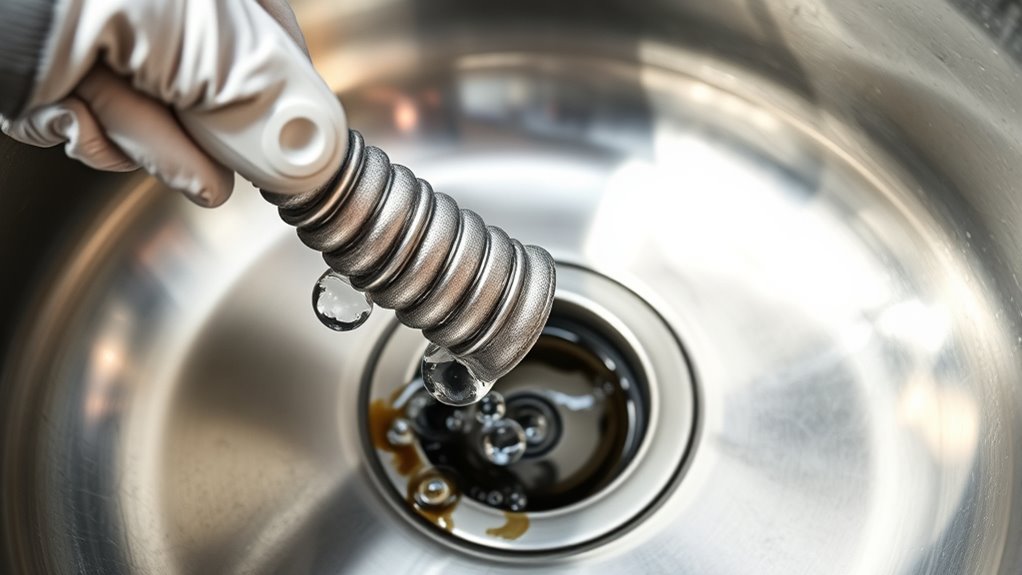

To unclog a drain naturally, start by pouring boiling water to loosen grease and debris. Then, try a mixture of baking soda and vinegar to create bubbling pressure that breaks apart organic buildup. Use a plunger or a drain snake if needed, and consider a wet/dry vacuum for stubborn blockages. Regular maintenance like drain screens and hot water flushes helps prevent future clogs. For more effective methods, continue exploring simple, eco-friendly solutions.
Key Takeaways
- Use boiling water cautiously to loosen grease and debris, avoiding PVC pipes.
- Combine baking soda with vinegar to generate bubbles that break apart minor clogs naturally.
- Employ a plunger with proper technique to create pressure and dislodge blockages effectively.
- Insert a drain snake or wire hanger to physically break up or retrieve clogs deep within pipes.
- Apply enzyme-based cleaners weekly to digest organic matter and prevent future drain buildup naturally.
Boiling Water: The Simple First Step
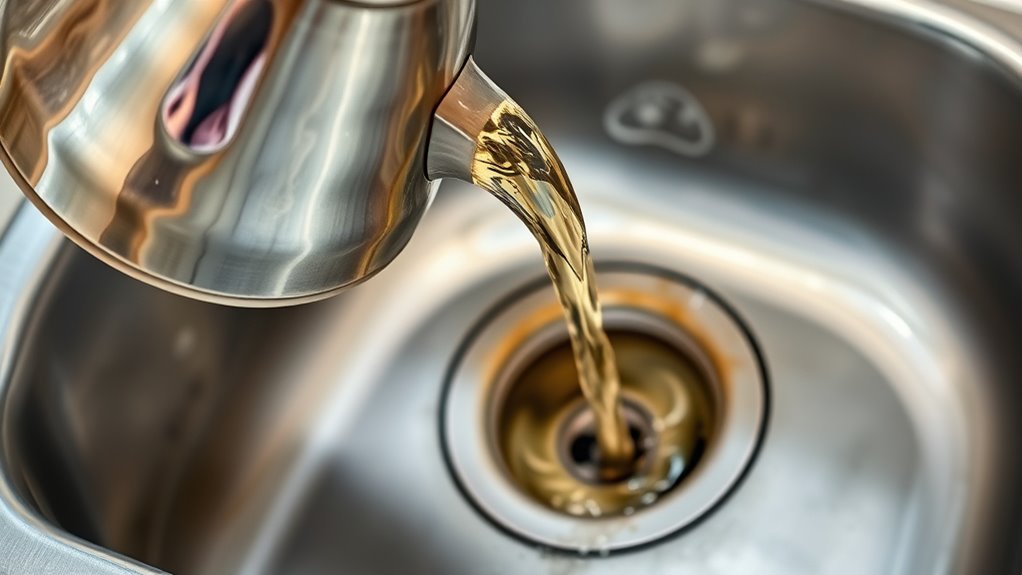
Have you ever tried using boiling water to clear a clogged drain? It’s a simple, effective first step you can take. Boil a large pot of water and carefully pour it directly into the drain. The hot water helps loosen grease, soap scum, and other buildup blocking the pipes. You might hear a few gurgles or see debris move, which means it’s working. Be cautious, though—avoid pouring boiling water into PVC pipes, as extreme heat can cause damage. Instead, if you’re unsure, let the water cool slightly before pouring. This method is quick, inexpensive, and chemical-free, making it a great first action before trying more involved solutions. Sometimes, a simple pour of boiling water is all it takes to get your drain flowing smoothly again.
Baking Soda and Vinegar: Nature’s Cleaning Duo
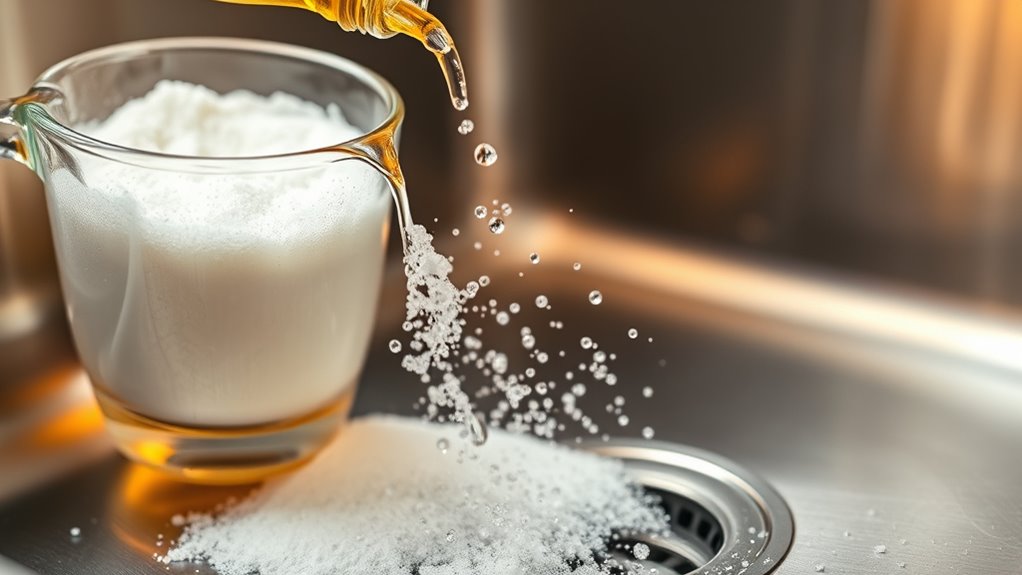
When you combine baking soda and vinegar, a chemical reaction occurs that helps break down clogs. This reaction produces carbon dioxide bubbles, which work to loosen debris in your drain. As a result, this natural duo can be an effective and eco-friendly way to clear stubborn blockages.
Chemical Reaction Process
Ever wonder how baking soda and vinegar work together to clear a stubborn clog? When you combine these two, a chemical reaction occurs. Baking soda, or sodium bicarbonate, is a base, while vinegar contains acetic acid. Mixing them causes an acid-base reaction, producing carbon dioxide gas and water. You’ll see bubbling and fizzing as the carbon dioxide escapes, which helps loosen debris and grease stuck in your pipes. This bubbling action creates pressure that pushes clogs upward and breaks apart build-up. The reaction also helps neutralize odors and break down organic matter. The process is safe, natural, and effective for minor clogs. Understanding this reaction explains why combining baking soda and vinegar is such a popular, eco-friendly drain-cleaning method.
Effective Drain Clearing
Baking soda and vinegar work together as a natural, effective duo for clearing drains without harsh chemicals. When you pour baking soda into your drain, it starts to break down grease, grime, and debris. Following that with vinegar creates a fizzing reaction that helps loosen blockages and push debris through the pipe. To use this method, pour about half a cup of baking soda into the drain, then slowly add a cup of vinegar. Cover the drain to contain the fizzing action, and let it sit for 15-30 minutes. During this time, the mixture works to dissolve buildup. Afterward, flush the drain with hot water to clear away loosened debris. This simple, natural approach effectively clears minor clogs while avoiding harsh chemicals.
Using a Plunger Effectively

To unclog your drain with a plunger, you need to use proper technique and select the right type of plunger. Make sure the rubber cup creates a tight seal around the drain before you start plunging with steady, controlled pushes. Choosing the right plunger, whether cup or flange, guarantees you get the best results without damaging your pipes.
Proper Plunger Technique
Using a plunger correctly is essential for effectively clearing clogs without resorting to harsh chemicals. First, ensure there’s enough water in the sink or toilet bowl to cover the rubber cup of the plunger. This creates a seal that allows pressure to build. Place the cup firmly over the drain opening, making sure there’s a tight seal. Use steady, controlled pushes and pulls, avoiding sudden jerks that can break the seal. Maintain the seal throughout the plunging process, focusing on pushing and pulling with consistent force. Continue for 15-20 seconds, then lift the plunger to see if the water drains. If not, repeat the process a few times. Proper technique maximizes pressure and increases the chances of dislodging the clog effectively.
Choosing the Right Plunger
Choosing the right plunger can make all the difference in clearing a stubborn clog. There are two main types: cup plungers and flange plungers. A cup plunger, with its flat rubber cup, works best on sinks and flat surfaces. A flange plunger, which has an extended rubber flap, is designed for toilets and offers a better seal. Confirm the plunger fits snugly around the drain opening—an improper fit reduces pressure and effectiveness. Check that the rubber cup is flexible and in good condition, without tears. Also, pick a plunger with a sturdy handle that provides good grip. Using the right plunger for the task and ensuring it fits properly will give you the best chance of dislodging the clog without chemicals.
Mechanical Drain Snake Techniques
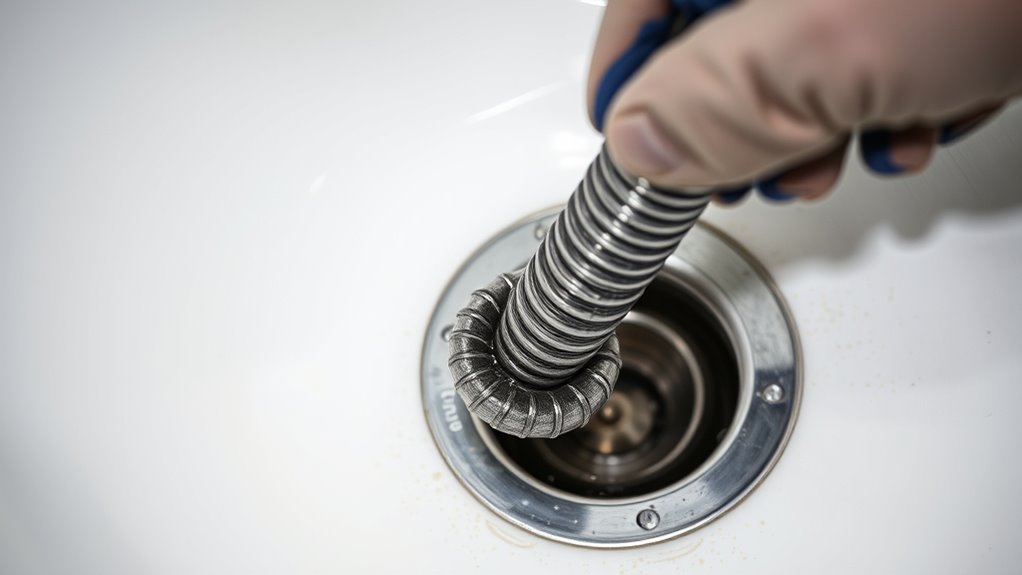
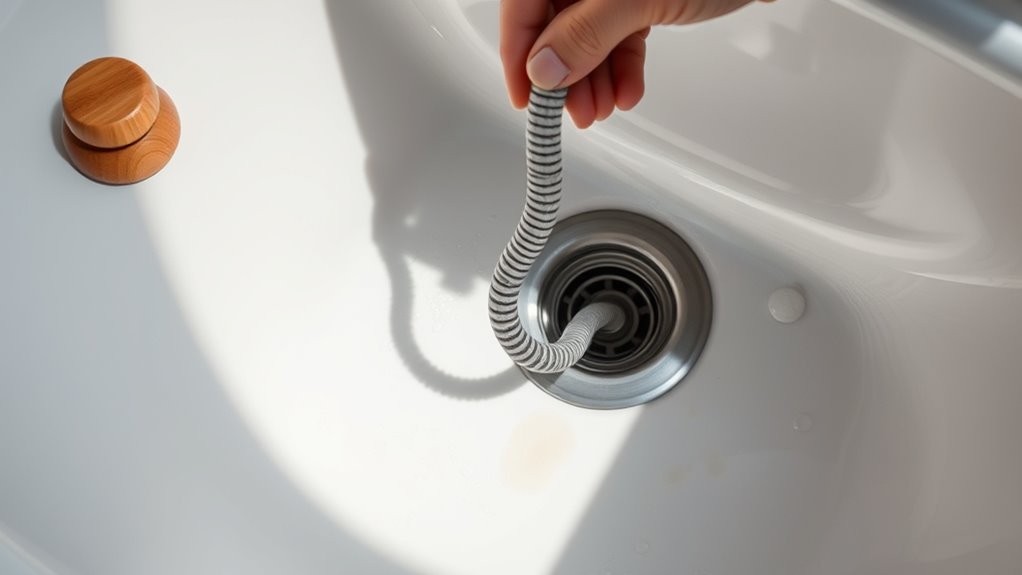
When a drain becomes clogged, a mechanical drain snake can be an effective tool to clear the blockage. You start by inserting the snake into the drain slowly, turning the handle clockwise. As you feed the snake deeper, it will encounter the clog. When you feel resistance, rotate the handle to break up or latch onto the obstruction. Keep turning and pushing gently; don’t force it. Once you feel the blockage loosen or the snake passes through, slowly pull it out, bringing debris with it. Clear any buildup from the snake’s tip and run hot water to flush remaining debris. This method allows you to reach deep blockages without harsh chemicals, making it a safe, effective, and environmentally friendly option.
Clearing Clogs With a Wet/Dry Vacuum
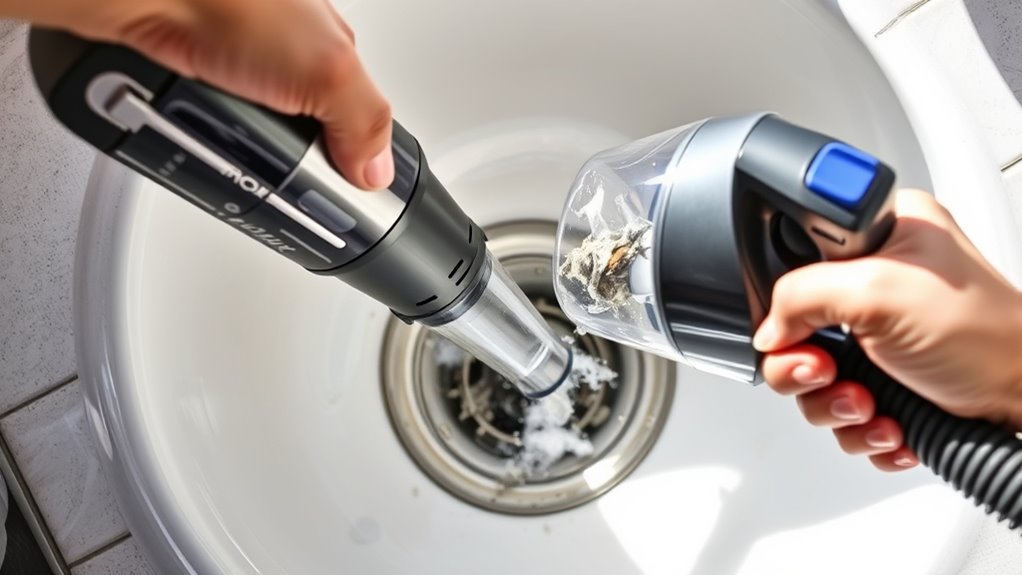
A wet/dry vacuum can be a powerful tool for clearing drain clogs without harsh chemicals. To start, set your vacuum to liquid mode and make certain the container is empty. Cover any vents to prevent messes, then create a tight seal over the drain opening using a damp cloth or specialized attachment. Turn on the vacuum to apply strong suction, which can dislodge the blockage. This method works best for minor clogs or when combined with other techniques. Keep in mind:
- Use a narrow attachment to focus suction directly on the clog.
- Be cautious of water backups, and avoid overfilling your vacuum.
- Repeat the process if necessary, as multiple attempts can increase effectiveness.
This approach leverages suction power to clear the drain naturally and efficiently.
Enzyme-Based Drain Cleaners
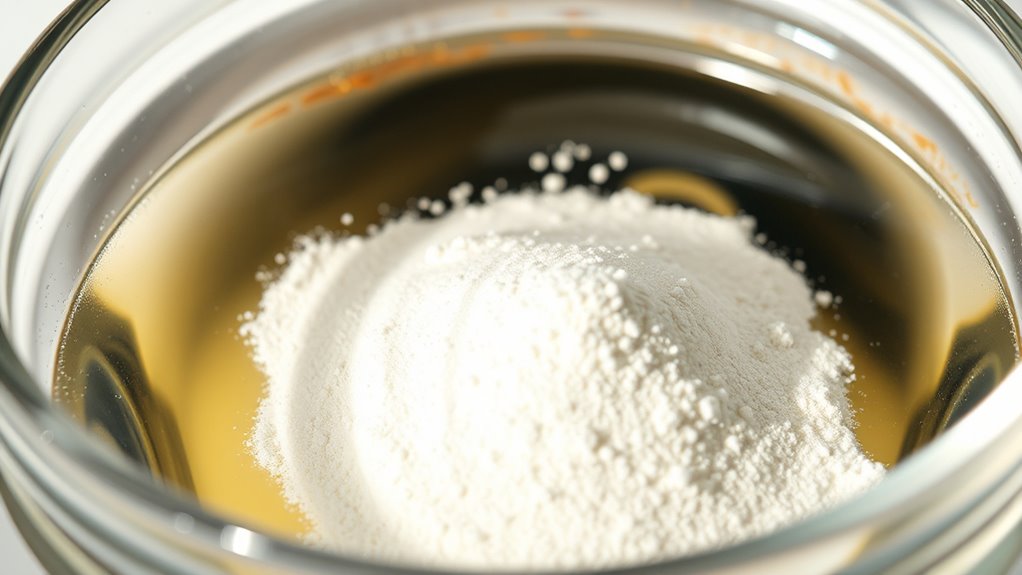
Enzyme-based drain cleaners work by breaking down organic matter with natural enzymes, making them effective for slow drains. They offer a safer and eco-friendly alternative to harsh chemicals, reducing potential damage to pipes and the environment. To get the best results, follow the manufacturer’s instructions carefully and allow enough time for the enzymes to do their job.
How Enzymes Work
Enzymes in drain cleaners work by breaking down organic materials like grease, hair, and food debris that clog pipes. They do this through biological reactions that convert complex substances into simpler, water-soluble forms. When you pour enzyme-based cleaners into your drain, the enzymes activate and target specific organic molecules, accelerating their decomposition. This process not only clears the blockage but also reduces foul odors caused by decay. Enzymes are selective, meaning they focus only on organic matter, leaving other materials like plastics or mineral buildup untouched. This specificity makes enzyme cleaners a safe, eco-friendly alternative to harsh chemicals. Using enzymes regularly can help maintain clear pipes by continuously breaking down organic residues before they cause major clogs.
Benefits Over Chemicals
Compared to traditional chemical drain cleaners, enzyme-based options offer several important advantages. They’re safer for your pipes, as they don’t contain harsh acids or caustic ingredients that can corrode plumbing over time. Enzyme cleaners are also environmentally friendly, breaking down organic waste naturally without polluting water sources or harming wildlife. You won’t have to worry about harmful fumes or skin irritation, making them safer for you and your family. Additionally, enzymes work gradually, providing a gentle yet effective solution that reduces the risk of damage caused by aggressive chemicals. Over time, they maintain your drain’s cleanliness without the hazardous side effects associated with chemical cleaners. This makes enzyme-based options a healthier, sustainable choice for keeping your drains clear.
Proper Usage Tips
To guarantee your enzyme-based drain cleaner works effectively, it’s important to follow proper usage instructions. First, verify the drain is clear of standing water, as excess water can dilute the enzymes. Pour the recommended amount of cleaner directly into the drain and avoid using it immediately afterward for at least 2-3 hours or overnight, giving enzymes time to break down organic matter.
- Use warm water to activate enzymes better, but avoid boiling water, which can damage pipes.
- Regularly maintain by applying the cleaner weekly to prevent buildup.
- Keep the drain covered after application to contain the enzymes and maximize their effectiveness.
Following these tips helps your enzyme cleaner do its job efficiently and keeps your drains clear naturally.
Preventative Tips to Avoid Future Clogs
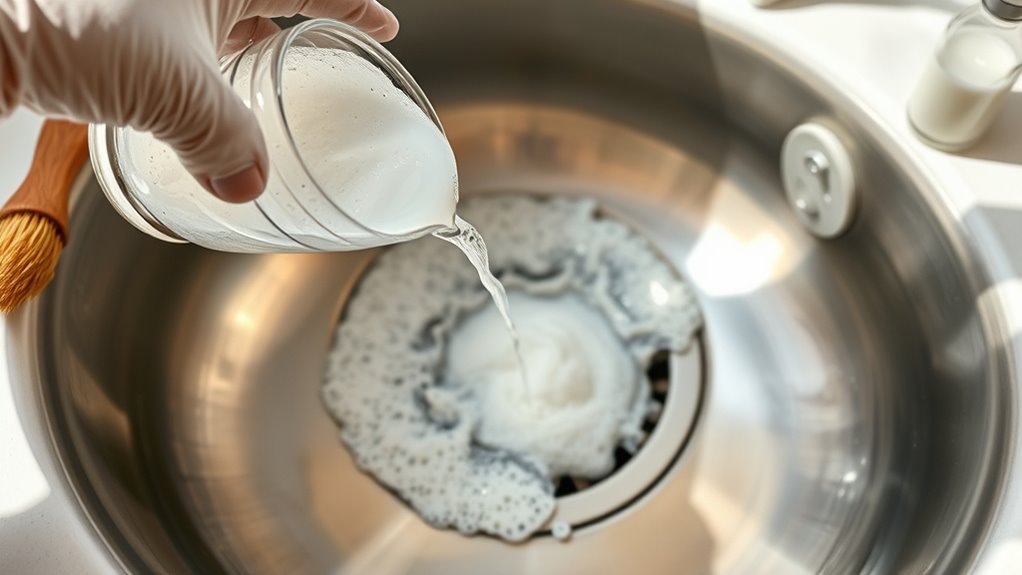
Preventing drain clogs starts with simple, proactive habits that keep debris out of your pipes. Use drain screens or strainers regularly in sinks and showers to catch hair, food particles, and soap scum before they enter the plumbing. Avoid pouring grease, oil, or coffee grounds down the drain, as these substances can solidify and cause blockages over time. Run hot water after using the sink or dishwasher to help flush away residual debris. Regularly cleaning your drains with boiling water or a mixture of baking soda and vinegar can also prevent buildup. Be mindful of what you put down your drains, and address minor issues promptly to prevent larger problems. These habits will keep your pipes flowing smoothly and reduce the need for natural unclogging methods later.
Natural Remedies for Hair and Grease Blockages
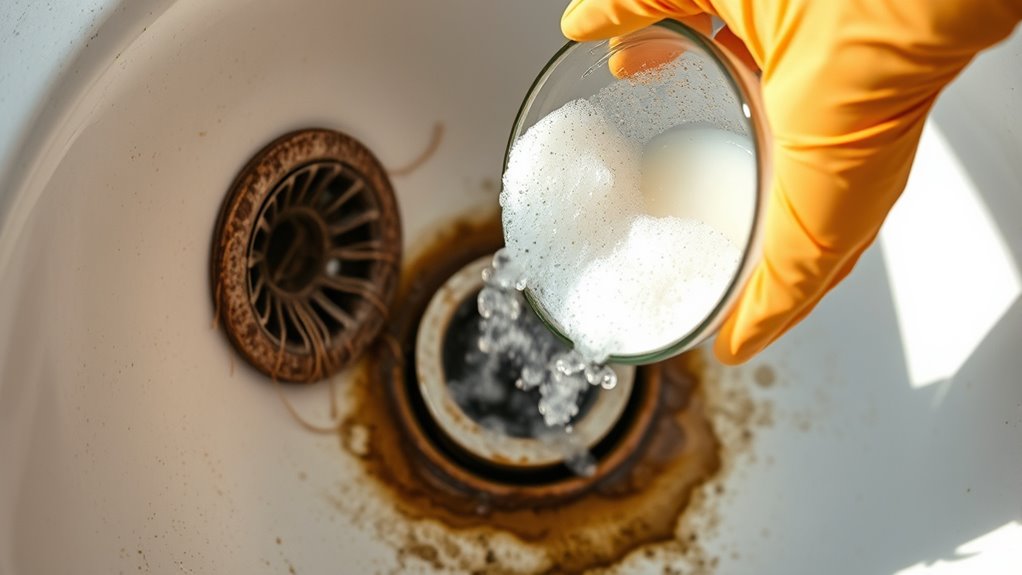
When hair and grease cause clogs, natural remedies can effectively clear the blockage without harsh chemicals. Start by pouring a mixture of hot water and baking soda down the drain to loosen debris. Follow this with a cup of vinegar, which reacts to break down grease and hair buildup. Let it sit for about 15 minutes before flushing with hot water to flush away loosened material. You can also try using a drain snake or a bent wire hanger to physically dislodge stubborn hair or grease chunks. For persistent blockages, a mixture of dish soap and hot water can help dissolve greasy buildup. These methods are safe, eco-friendly, and cost-effective, making them excellent alternatives to chemical drain cleaners.
Maintaining Your Drains for Long-Term Health

Regular drain maintenance is essential to keep your plumbing flowing smoothly and avoid costly clogs. By adopting simple habits, you can extend the life of your drains and prevent buildup. Regularly flush drains with hot water to clear away grease and soap residue. Use a natural enzyme cleaner weekly to break down organic matter. Avoid pouring oil or coffee grounds down the drain, which often cause blockages. Here’s a quick overview:
| Tip | Why it Matters |
|---|---|
| Use hot water regularly | Removes grease and soap buildup |
| Avoid pouring fats and coffee grounds | Prevents clogs from solidifying |
| Schedule annual drain inspections | Detects issues early, saves money |
Stay proactive, and your drains will stay healthy longer.
When to Seek Professional Plumbing Help
Even with diligent maintenance, there are times when DIY fixes aren’t enough, and professional help becomes necessary. If your drain remains clogged after trying natural methods or if you notice persistent backups, it’s time to call in a pro. Also, if you experience recurring issues despite your efforts, a professional diagnosis can identify underlying problems.
Consider seeking help if:
- The clog is severe or deep within the plumbing system
- You notice foul odors or gurgling sounds indicating a venting problem
- Your efforts haven’t improved drainage after multiple attempts
Ignoring these signs can lead to bigger damage or costly repairs later. When in doubt, consulting a licensed plumber ensures your drain is properly cleared and your plumbing remains in good shape.
Frequently Asked Questions
Can Natural Drain Cleaning Methods Harm My Pipes?
Natural drain cleaning methods generally won’t harm your pipes if used correctly. You should avoid overly aggressive techniques, like pouring boiling water too quickly or using excessive amounts of baking soda and vinegar. When applied properly, these methods can safely clear minor clogs without damaging your plumbing. Always follow recommended guidelines, and if you notice any damage or persistent blockages, consider consulting a professional plumber to prevent potential harm.
How Often Should I Perform Natural Drain Maintenance?
You should perform natural drain maintenance once every one to three months, depending on your usage. Regularly pour boiling water or a baking soda and vinegar mixture down your drains to prevent buildup. Avoid letting hair, grease, or soap scum accumulate. Consistent maintenance keeps your pipes clear and free of clogs, reducing the need for more invasive or chemical solutions later on. Stay proactive to keep your drains flowing smoothly.
Are There DIY Tools Recommended for Persistent Clogs?
For persistent clogs, DIY tools are your superheroes. You should definitely grab a plunger, which can single-handedly save your sink from disaster. A drain snake or auger is also highly recommended—it’s like a tiny, powerful hero fighting off stubborn blockages deep inside your pipes. These tools are affordable, easy to use, and can often clear the toughest clogs without any chemicals, saving your drains and your peace of mind.
What Natural Ingredients Are Best for Stubborn Grease?
You should try using baking soda and vinegar to tackle stubborn grease. Pour half a cup of baking soda down the drain, then follow with half a cup of vinegar. Cover the drain and let it fizz for about 30 minutes. The natural reaction helps break down grease buildup. Finish by flushing with hot water to clear out the loosened grime, leaving your drain cleaner without harsh chemicals.
How Can I Prevent Future Drain Blockages Naturally?
Imagine you’re a pioneer in your home’s plumbing frontier. To prevent future drain blockages naturally, you should regularly flush your drains with hot water to dissolve grease buildup. Use a mixture of baking soda and vinegar monthly to break down organic matter. Avoid pouring fats or fibrous foods down the drain, and install drain guards to catch debris. These simple habits keep your pipes flowing smoothly without harsh chemicals.
Conclusion
Did you know that over 80% of drains clog due to hair and grease buildup? By trying these natural methods, you can save money and avoid harsh chemicals. Regular maintenance and preventative tips keep your drains flowing smoothly, reducing the risk of costly repairs. Remember, most minor clogs can be cleared easily at home. If issues persist, don’t hesitate to call a professional—keeping your plumbing in top shape has never been simpler or more eco-friendly.