
To safely knock down a wall for an open-concept space, first make certain you have the right safety gear, like goggles and gloves, and clear the area of furniture. Always confirm if the wall is load-bearing by inspecting or consulting a professional. Turn off electrical power and carefully remove drywall with tools like a utility knife and pry bar. Use proper equipment to cut through studs, then proceed slowly, paying attention to stability. Keep learning more to do the job right and safely.
Key Takeaways
- Assess whether the wall is load-bearing; consult a professional if unsure before demolition.
- Turn off electrical power and remove any wiring or plumbing inside the wall safely.
- Use proper tools like a utility knife, sledgehammer, and reciprocating saw to carefully remove drywall and framing.
- Install temporary supports or reinforcement if demolishing a load-bearing wall to maintain structural integrity.
- Wear protective gear, clear the area of debris, and proceed slowly to ensure safety throughout the process.

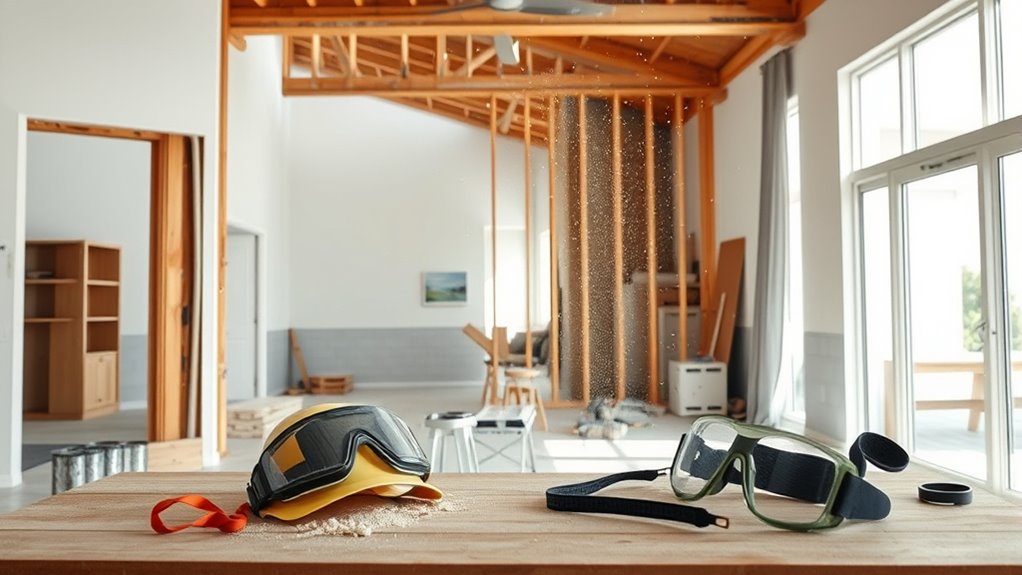
Thinking about knocking down a wall? Before you grab a sledgehammer, it’s essential to prioritize safety precautions. Walls, especially load-bearing ones, often support the structure of your home, so rushing in without proper planning can lead to dangerous collapses or injuries. Start by evaluating whether the wall is load-bearing. If it is, you’ll need to take extra steps, like installing temporary supports or consulting a professional. Even if it’s an interior non-load-bearing wall, safety should still be your top priority. Wear protective gear such as safety glasses, dust masks, gloves, and sturdy footwear to shield yourself from debris and dust. Clear the surrounding area of furniture and valuables, and lay down a tarp or drop cloth to catch falling debris. This minimizes cleanup and protects your belongings.
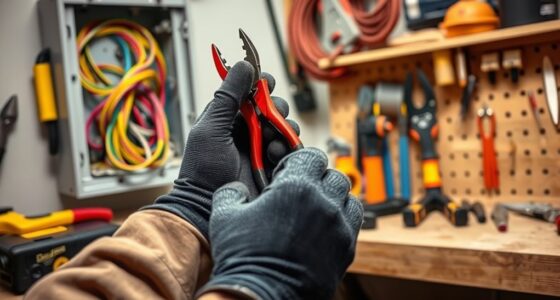
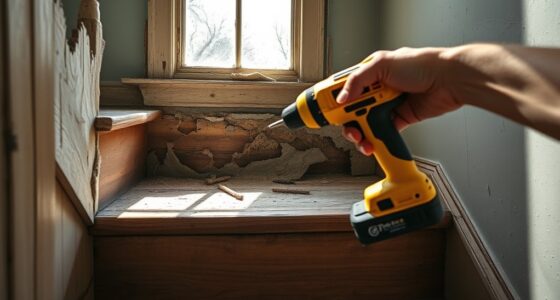
Next, gather the tools needed for the job. At a minimum, you’ll want a sledgehammer for the demolition, a reciprocating saw or a rotary hammer for cutting through drywall and studs, and a crowbar for prying apart stubborn sections. A utility knife helps score drywall, making it easier to remove in manageable pieces. A cordless drill can be useful for removing screws if your wall has drywall secured with fasteners. If your wall contains electrical wiring or plumbing, having a stud finder is essential to locate these before you start knocking. Also, keep a dustpan and broom nearby for quick cleanup, and consider renting a shop vac for fine dust collection. Having the right tools ready and understanding their use ensures your demolition goes smoothly and safely.
Once you’ve prepared the area and gathered your tools, double-check that power to the wall is turned off—flip the circuit breaker if necessary. If you’re dealing with drywall, start by scoring the surface with a utility knife to create clean lines, then remove large sections with your hands or a pry bar. For framing studs or more substantial parts of the wall, use the reciprocating saw or rotary hammer to cut through nails or screws holding the structure. Work slowly and methodically, taking care not to apply excessive force that could cause unexpected collapse. Constantly check your surroundings for stability, and if you’re unsure about anything—especially load-bearing walls—consult a professional before proceeding. Remember, rushing or ignoring safety precautions can lead to accidents, so take your time to do the job right. Also, assessing the wall’s load-bearing status with proper tools and knowledge can prevent structural failures during demolition.
Frequently Asked Questions
Do I Need a Permit to Remove a Load-Bearing Wall?
Yes, you likely need a permit to remove a load-bearing wall during your DIY home renovation. Permits guarantee safety and code compliance, preventing costly issues later. Check with your local building department before starting, as regulations vary. Skipping permits can lead to fines or problems selling your home. Always prioritize safety and proper planning when tackling home renovation projects involving structural changes.
How Do I Identify if a Wall Is Load-Bearing?
Did you know that about 20% of DIY home projects face structural issues due to improper wall removal? To identify if a wall is load-bearing, start by checking your home’s blueprints or consult a structural assessment professional. Look for walls that run perpendicular to floor joists or support upper floors. Always prioritize DIY safety by confirming a wall’s load-bearing status before proceeding, and never guess—get expert advice to avoid costly mistakes.
What Tools Are Essential for Knocking Down a Wall?
You’ll need essential demolition tools like a sledgehammer, pry bar, reciprocating saw, and a hammer. Don’t forget safety gear such as goggles, gloves, dust masks, and ear protection to stay safe during demolition. These tools help you carefully remove drywall and studs without damage, while safety gear shields you from debris and dust. Always work carefully, especially around load-bearing walls, and make sure you have the right tools for a smooth, safe process.
How Long Does the Entire Wall Removal Process Take?
The entire wall removal process usually takes about one to three days, depending on the wall’s size and complexity. You should consider cost estimation for tools and materials, and always prioritize safety precautions to avoid accidents. If you’re cautious and prepared, you can complete the job efficiently. Remember, rushing can lead to mistakes or injuries, so allocate enough time and plan accordingly to ensure a safe and smooth demolition.
Can I Remove a Wall Myself or Should I Hire a Professional?
Did you know over 60% of DIY wall removal projects face costly mistakes? You can remove a wall yourself, but beware of DIY risks like structural damage or injury. Hiring a professional offers benefits such as ensuring safety, code compliance, and proper support. If you’re inexperienced, the risks outweigh the savings, so it’s wise to consult an expert. Protect your home and avoid costly errors by choosing professional help.
Conclusion
Knocking down a wall can transform your space, but safety always comes first. Remember, consulting a professional confirms your wall’s load-bearing status, preventing costly mistakes. With proper planning and tools, you can enjoy your open-concept home without surprises. Trust the experts and do thorough research—it’s the key to a smooth, safe transformation. When done right, you’ll love your new layout and the fresh feel it brings to your home.