
You care about online privacy, but your actions show a complex mix of concern and convenience. Many in your generation are aware of risks like scams and data misuse, yet you still share personal info for better experiences. You actively use privacy tools like VPNs and prefer platforms aligned with your values. Your approach balances trust, skepticism, and control, making your privacy habits nuanced and strategic. If you keep exploring, you’ll discover how your peers navigate this digital balancing act.
Key Takeaways
- Over 50% of Gen Z express anxiety about online privacy and misinformation, indicating concern about data security.
- Many actively practice privacy hygiene, such as clearing cookies and using encrypted messaging, showing proactive data protection.
- Nearly half lack full understanding of how social media platforms use their data, highlighting gaps in awareness.
- Gen Z balances privacy and convenience by sharing data selectively and employing privacy strategies like VPNs and platform choices.
- Despite fears, they continue using platforms they distrust for the benefits, demonstrating a nuanced attitude toward data privacy.

Have you ever wondered how Gen Z navigates the complex landscape of online privacy? Despite being digital natives, they often face conflicting emotions about their online presence. On one hand, over 50% of Gen Z (ages 18-24) express significant anxiety about online privacy and misinformation, with concerns about scams nearly tripling in the past year. Even though they’re tech-savvy, many lack full awareness of how online scams actually work, making them more vulnerable than older adults. Freshers starting university find themselves especially at risk, as they face high financial vulnerability due to exposure to fake rental listings and phishing across various digital platforms. Still, even with these fears, around 74% of Gen Z worry about hackers stealing their personal information but continue using platforms they distrust — a pragmatic approach that balances convenience with concern.
Gen Z balances online privacy fears with ongoing platform use, prioritizing convenience amid concerns about scams and data security.
You’ll notice that Gen Z actively practices privacy hygiene. They clear cookies, use encrypted messaging, and browse incognito far more often than other generations. This behavior reflects an understanding that privacy isn’t just about security; it’s about maintaining control over their digital identities. notably, about 88% are willing to share personal data with social media companies to get tailored recommendations, product suggestions, or seamless experiences. They see data sharing as a fair trade-off for better online interactions, rating their willingness to share about 15% higher than non-Gen Z groups. TikTok, in particular, epitomizes this mindset, with 77% of Gen Z using it for product discovery and personalized content, highlighting how entrenched AI-driven services and social media are in their daily lives.
However, this openness comes with risks. Nearly half of Gen Z don’t fully understand how social media platforms use their data, increasing their exposure to scams and data misuse. Though they trust online services more than older generations—about 50% trust them to protect their data—they remain skeptical about how well their information is safeguarded. Less than 40% trust brands to keep their data safe, and only around 56% feel in control of their personal data overall. Many practice “privacy math,” sharing selectively depending on the platform and their comfort level, which shows strategic awareness of their vulnerabilities. Furthermore, their awareness of these risks is growing rapidly as data breaches and misuse become more visible in the media.
Despite their willingness to share, Gen Z isn’t reckless. They take active steps to protect their privacy, like disabling location sharing, using VPNs, or choosing platforms that align with their values, such as BeReal or Mastodon. They view digital privacy as more than just safeguarding data; it’s a reflection of their personal identity and cultural values. this paradox—being both privacy-conscious and data sharers—defines how they navigate the digital world. Their behaviors demonstrate a sophisticated balancing act, blending trust, skepticism, and strategic privacy measures to maintain control in an increasingly interconnected online environment.

Mullvad VPN | 12 Months for 5 Devices | Protect Your Privacy with Easy-To-Use Security VPN Service
Mullvad VPN: If you are looking to improve your privacy on the internet with a VPN, this 12-month…
As an affiliate, we earn on qualifying purchases.
As an affiliate, we earn on qualifying purchases.
Frequently Asked Questions
How Does Gen Z Perceive Government Surveillance of Online Data?
You likely see government surveillance as a significant concern, with about 25% of your peers fearing government overreach. While you’re aware of privacy risks, many still use digital services despite these worries. You might think, “They’re watching, but I still want to stay connected,” balancing the need for privacy with the benefits of online platforms. Overall, you’re cautious, skeptical, and prefer to stay informed about government data practices, but continue engaging online.
What Are the Most Common Online Scams Targeting Gen Z?
Like a magnet attracting metal shavings, scams draw in unsuspecting Gen Z users. The most common scams targeting you include fake rental listings, phishing emails, fake giveaways, and fake job offers. Cybercriminals often prey on your desire for quick rewards or easy solutions. They may also exploit social media to spread fraudulent links or impersonate trusted brands, making it essential for you to stay vigilant and verify sources before responding or sharing personal info.
Do Gen Z Trust Social Media Platforms to Handle Their Data Securely?
You might think Gen Z trusts social media platforms to handle their data securely, but that’s not entirely true. While about half of them do trust these services more than older generations, many remain skeptical—around 40% worry about misuse, and 25% fear government surveillance. Despite this, they still share personal info for better experiences, balancing trust with concern, and actively use privacy tools like cookies cleaners and encrypted messaging to protect themselves.
How Effective Are Privacy Tools Like VPNS and Encrypted Messaging for Gen Z?
VPNs and encrypted messaging are somewhat effective for you, but they aren’t foolproof. VPNs help mask your IP address and encrypt your internet traffic, reducing tracking, but they don’t stop all data collection by apps or websites. Encrypted messaging keeps your conversations private from outsiders, but if your device is compromised or you share info openly, your privacy still risks exposure. Using these tools together boosts your security, but stay aware of their limits.
What Motivates Gen Z to Share Personal Data Despite Privacy Concerns?
You share personal data driven by the desire for personalized experiences, the need for seamless interactions, and the appeal of tailored content. You’re motivated by the benefits of better recommendations, easier product discovery, and social connection. Despite privacy concerns, these advantages outweigh your fears, leading you to accept certain risks. You weigh convenience against security, balancing privacy and openness to enjoy the digital world’s benefits without fully sacrificing your control.
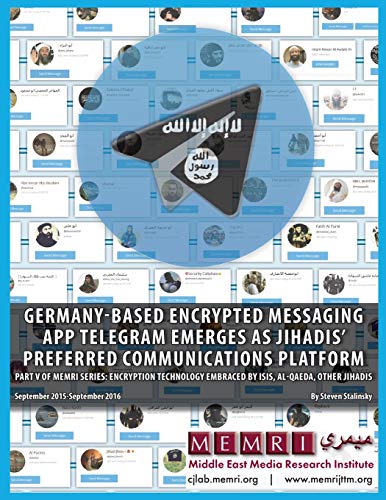
Germany-based Encrypted Messaging App Telegram Emerges as Jihadis' Preferred Communications Platform: Part V of MEMRI Series: Encryption Technology … Jihadis (September 2015 – September 2016)
As an affiliate, we earn on qualifying purchases.
As an affiliate, we earn on qualifying purchases.
Conclusion
So, as you navigate the digital maze, remember that your online privacy is like a fragile butterfly—delicate yet worth protecting. Even if it feels like your data is flying free, it’s up to you to weave a sturdy net of caution. Gen Z might seem like digital natives, but behind those screens, your choices paint a vivid picture of what you value. Keep your privacy close; it’s the hidden treasure in your online journey.

THE COMPLETE USER GUIDE TO SAMSUNG INTERNET BROWSER 2026: Step by Step Manual For Beginners & Seniors to Master Update Features, Tips & Tricks, Troubleshooting For Smart & Safe Browsing on One UI 7
As an affiliate, we earn on qualifying purchases.
As an affiliate, we earn on qualifying purchases.

Men's Exploration Practice Rod, Personal Hygiene Tool (US-D14) (Black)
Smooth and skin-friendly.
As an affiliate, we earn on qualifying purchases.
As an affiliate, we earn on qualifying purchases.