

When money is tight, start by evaluating your current finances and tracking your expenses to find small ways to save. Set manageable goals, like saving just a little each month, and create a simple budget that prioritizes building your emergency fund. Cut unnecessary costs and automate your savings to stay consistent. In the next part, you’ll discover more tips to help you save effectively despite limited income.
Key Takeaways
- Start with small, achievable savings goals, like $10 or $20 weekly, to build momentum over time.
- Track all expenses carefully to identify and eliminate non-essential spending.
- Automate transfers to your emergency fund right after each paycheck to ensure consistent saving.
- Prioritize essential expenses and cut back on discretionary costs such as dining out or entertainment.
- Redirect any windfalls, such as bonuses or refunds, directly into your emergency savings.
Assess Your Current Financial Situation

Before you begin building your emergency fund, it’s essential to understand your current financial situation. Start by gathering all your financial information, including income, expenses, debts, and savings. Track your monthly income and identify how much money comes in regularly. Next, list your fixed expenses like rent, utilities, and loan payments, as well as variable costs such as groceries, transportation, and entertainment. Review your spending habits to see where you might cut back. Knowing your financial baseline helps you determine how much you can realistically save each month. Evaluating your situation honestly gives you a clear picture of your starting point, making it easier to create a practical savings plan that fits your current circumstances.
Set Realistic Savings Goals
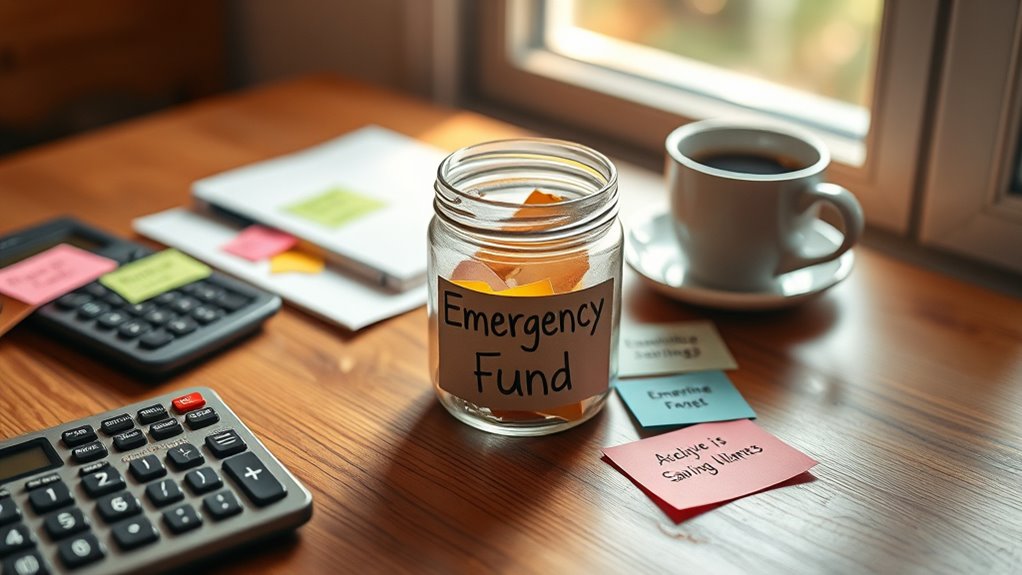
Setting realistic savings goals is essential to building an emergency fund you can maintain. Start by determining a manageable target, like saving $500 or enough to cover one month of essential expenses. Break this goal into smaller milestones, such as saving $50 or $100 each month, to keep yourself motivated. Consider your income and expenses to set achievable targets, especially when money is tight. Be honest about what you can contribute without sacrificing essentials. Remember, even small, consistent contributions add up over time. Adjust your goals as your financial situation improves, but avoid setting goals that feel overwhelming. Clear, realistic goals give you direction and help you stay committed to building a safety net for unexpected expenses.
Track Your Expenses and Identify Savings Opportunities

Have you ever wondered where your money goes each month? Tracking your expenses helps you see exactly what you’re spending and where you can cut back. Start by reviewing your bank statements and receipts regularly. Next, categorize your expenses into essentials and non-essentials. Finally, identify areas where you can save, such as dining out, subscriptions, or impulse buys.
By doing this, you’ll discover three key things:
- Your biggest spending categories
- Patterns in your spending habits
- Opportunities to redirect funds into your emergency savings
This awareness is vital for making smarter choices. When you understand your spending, finding ways to save becomes clearer and more manageable, bringing your emergency fund goals within reach.
Create a Simple Budget to Prioritize Savings

Once you’ve identified your spending patterns, the next step is to create a simple budget that helps you prioritize saving for emergencies. Start by listing your essential expenses, like rent, utilities, and groceries. Then, allocate a small, consistent amount toward your emergency fund each month, even if it’s just a few dollars. Use a straightforward method, like the 50/30/20 rule, to divide your income into needs, wants, and savings. Focus on making sure your savings are a non-negotiable expense. Keep your budget simple—use a notebook, spreadsheet, or free app—and review it regularly. This clarity guarantees that saving becomes a priority, not an afterthought, even when money is tight. Consistency is key to building your emergency fund over time.
Find Ways to Reduce Monthly Spending

To free up more money for your emergency fund, start by examining your monthly expenses and identifying areas where you can cut back. Look closely at your spending habits and consider making adjustments. Here are three ways to reduce your expenses:
- Cut subscriptions or memberships you no longer use or need.
- Limit dining out and cook more meals at home.
- Reduce discretionary spending, like entertainment or shopping.
Automate Your Savings to Stay Consistent

Setting up automatic transfers from your checking account to your savings fund makes consistent saving effortless. By scheduling these transfers immediately after each paycheck deposits, you remove the temptation to spend the money elsewhere. This automation guarantees you prioritize your emergency fund without having to think about it actively. Start small if needed; even a few dollars each week adds up over time. Review and adjust the transfer amount periodically as your financial situation improves. Automating your savings helps build discipline, making it easier to stay on track despite busy schedules or unforeseen expenses. Over time, this consistent approach can create a healthy financial cushion, giving you peace of mind knowing you’re steadily working toward your emergency fund goal.
Explore Additional Income Sources

You can boost your savings by taking on freelance gigs or projects that fit your skills. Selling unused items or offering local services like babysitting or lawn care can also add extra cash. Exploring these options helps you reach your emergency fund goals faster.
Freelance Gigs and Projects
Taking on freelance gigs and projects can be a practical way to boost your income and build your emergency fund faster. By leveraging your skills, you can generate extra cash without overcommitting. To maximize your efforts, consider these three steps:
- Identify in-demand skills you possess or can quickly learn.
- Set aside dedicated time to focus on freelance work, balancing it with your main job.
- Build a reliable client base by delivering quality work and asking for referrals.
These actions help create a steady stream of income, making it easier to reach your savings goal. Remember, consistency is key—every small project adds up toward financial security. Freelance work can be a flexible, effective tool to strengthen your emergency fund.
Sell Unused Items
After boosting your income through freelance projects, turning to unused items around your home can further enhance your savings. Look around for things you no longer need or use, like clothing, electronics, furniture, or collectibles. Listing these items on online marketplaces or hosting a garage sale can bring in extra cash quickly. Be honest about their condition and set fair prices to attract buyers. This approach not only declutters your space but also puts money directly into your emergency fund. Remember, even small sales add up over time. By regularly selling unused items, you create a steady stream of income that accelerates your savings goal, helping you build a safety net even when money feels tight.
Offer Local Services
Looking for practical ways to increase your income locally? Offering services in your community can boost your savings quickly. Think about what skills you already have:
- Provide lawn care or gardening services to neighbors.
- Offer pet walking or sitting for busy pet owners.
- Help with house cleaning or organizing for friends and family.
Focusing on local services allows you to earn cash fast without the need for a formal job. You can set your own hours and pick tasks that fit your schedule. Plus, word-of-mouth recommendations can bring in repeat clients. These small, consistent efforts can add up, helping you build an emergency fund even when money feels tight. By leveraging your skills and local connections, you’re taking practical steps toward financial security.
Frequently Asked Questions
How Much Should I Aim to Save for an Emergency Fund?
You should aim to save enough to cover three to six months of living expenses. Start small if needed, and gradually increase your savings. Focus on essential costs like rent, utilities, and groceries. Prioritize consistency over size of deposits. By doing so, you’ll build a safety net that can help you manage unexpected expenses or income disruptions without stress. Keep pushing toward that goal, even if progress feels slow.
What if I Can’t Meet My Savings Goals Each Month?
What if you can’t meet your savings goals each month? Don’t get discouraged; instead, focus on small, manageable steps. Can you cut back on non-essential expenses or find extra income sources? Every little bit counts, and consistency matters more than large deposits. Set realistic targets, celebrate small wins, and gradually increase your savings. Remember, progress is better than perfection, and even small contributions build toward your emergency fund.
Are High-Yield Savings Accounts Better for Emergency Funds?
Yes, high-yield savings accounts are better for emergency funds because they offer higher interest rates, helping your money grow faster. You can access your funds easily when needed, making them practical for unexpected expenses. Plus, they’re typically FDIC insured, so your money stays safe. Even if you’re on a tight budget, choosing a high-yield account can boost your savings without extra effort, making your emergency fund more effective.
How Long Does It Typically Take to Build an Adequate Emergency Fund?
Time flies when you’re saving, but building an emergency fund varies. Typically, it takes three to six months of living expenses to feel secure, yet it depends on your income and expenses. You might reach your goal faster by setting small, consistent savings goals—think of it as planting seeds that grow over time. Stay committed, and eventually, your emergency fund will be your financial safety net.
Can I Use Retirement Savings for an Emergency Fund?
You can technically use retirement savings for an emergency, but it’s not advisable. Withdrawing early often triggers taxes and penalties, and it can jeopardize your future financial security. Instead, try to build a separate emergency fund, even if it takes time. Focus on small, consistent savings, and explore options like side gigs or budget cuts to grow your emergency stash without risking your retirement goals.
Conclusion
Building an emergency fund is like planting seeds in a tiny garden—you start small, tend consistently, and watch it grow. Even when funds are tight, every dollar saved is a drop of rain helping your financial landscape flourish. Keep your eyes on the horizon, stay disciplined, and soon, your savings will bloom into a safety net strong enough to catch you when life throws a curveball. Stay patient and watch your security grow.