

Before splurging, ask yourself if you really need that item by evaluating if it fits within your budget and aligns with your priorities. Consider whether it adds genuine value or is just a fleeting desire driven by sales or trends. Research the options, compare prices, and reflect on its practicality. Thinking about how it impacts your long-term goals helps prevent impulsive buys. If you want to master these questions, keep exploring the key points that guide smarter spending.
Key Takeaways
- Assess if the purchase aligns with your current budget and financial priorities before committing.
- Ask whether the item is truly needed or just a fleeting desire influenced by emotional triggers.
- Research and compare options to ensure you’re making an informed, value-based decision.
- Consider how the item will impact your daily routine and long-term goals.
- Evaluate the item’s durability, costs, and long-term usefulness to determine if it’s a wise investment.

Are you about to make a purchase and wondering if it’s the right choice? Before you reach for your wallet, take a moment to pause and ask yourself some key questions. It’s easy to get caught up in the moment, especially when shopping feels exciting or urgent, but thinking carefully about your decision can save you from unnecessary spending. One of the most effective ways to do this is by practicing good budget planning. Know what you can afford and what your financial priorities are. If that new gadget or trendy outfit doesn’t fit into your budget, it might not be worth buying, no matter how tempting it appears. Creating a clear spending plan helps you recognize whether a purchase aligns with your financial goals and prevents impulsive decisions that can lead to regret later. Impulse buying is a common trap, especially when you’re overwhelmed by sales, advertisements, or emotional urges. It’s easy to justify small, spontaneous purchases in the moment, but those little expenses can add up quickly and derail your financial stability. Asking yourself whether you truly need the item can help curb this habit. Do you already own something similar? Will this purchase add lasting value to your life, or is it just a fleeting desire? If the answer is the latter, it’s often best to walk away.
Another question to contemplate is whether you’ve done enough research. Sometimes, the initial attraction is based on marketing hype or surface-level appeal. Take a moment to compare prices, read reviews, or ask yourself if there’s a better alternative. This helps ensure you’re making an informed decision, rather than an impulsive one fueled by emotion or the pressure to keep up with trends. Think about how the purchase will impact your daily life. Will it genuinely improve your routine or bring you closer to your goals? If it’s something you’ll use regularly and it genuinely adds value, then it might be worth considering. But if it’s something you’re only interested in temporarily, it’s better to hold off.
Additionally, understanding the astrological influences on personal traits can sometimes give insight into your own spending habits or decision-making tendencies, helping you stay mindful and balanced. Finally, consider the long-term implications. Will this item last, or is it likely to become obsolete quickly? Will it require additional expenses, like maintenance or accessories? Asking these questions helps you avoid buyer’s remorse and ensures that your spending aligns with your financial well-being. Remember, thoughtful shopping isn’t about denying yourself; it’s about making sure your choices support your bigger picture, keeping impulse buying at bay and sticking to your budget planning goals.

Instant Loss On A Budget: Budget-Friendly Healthy Recipes Under $10 for Weight Loss, Meal Prep, and Family Dinners
As an affiliate, we earn on qualifying purchases.
As an affiliate, we earn on qualifying purchases.
Frequently Asked Questions
How Can I Distinguish Between a Need and a Want?
To distinguish between a need and a want, start with a necessity assessment—ask yourself if the item addresses a basic requirement like food or shelter. Conduct a desire evaluation by considering if the purchase is driven by impulse or genuine necessity. If it’s something that enhances your life but isn’t essential, it’s likely a want. Prioritize needs over wants to make smarter, more mindful buying decisions.
What Are Effective Ways to Set a Realistic Budget?
You can set a realistic budget by starting with your income and tracking expenses through frugal shopping habits. Use financial planning tools or apps to create categories for essentials and savings, then set limits for each. Regularly review your spending to stay on track, adjusting as needed. This approach helps you avoid overspending, guarantees savings, and keeps your finances healthy while prioritizing what truly matters.
How Do I Avoid Impulse Buying Habits?
Imagine your emotions as a puppet master pulling your strings—emotional triggers can lead to impulse buys. To break free, recognize these triggers and avoid shopping environments that tempt you, like crowded stores or online sales. Pause before clicking “buy,” ask yourself if you truly need the item, and wait 24 hours to see if the urge passes. This mindful approach keeps your spending in check and your wallet happy.
When Is the Best Time to Purchase Items on Sale?
The best time to purchase items on sale is during holiday shopping events and seasonal sales, like Black Friday or end-of-season clearances. You should plan ahead and watch for discounts when stores typically offer deep discounts. By timing your purchases around these sales, you save money and avoid paying full price. Keep an eye on advertisements and sign up for store newsletters to stay informed about upcoming sales.
How Can I Track My Spending Habits Accurately?
You can track your spending habits accurately by using smart tracking techniques like budgeting apps or spreadsheets. Don’t forget to categorize expenses—groceries, entertainment, bills—so you see exactly where your money goes. Ironically, the more detailed your expense categorization, the less mysterious your spending becomes. Regularly reviewing your data and adjusting habits helps you stay on budget, turning financial chaos into clarity with just a little effort.

Harry Potter x Kitsch Big Hair Clip for Women – Strong Grip for Secure Updos | Stylish Jumbo Claw Clip | Durable Hair Accessories for Everyday Use | Ideal Harry Potter Gifts for Women – Slytherin, 1pc
SHOW YOUR HOUSE PRIDE: Celebrate Slytherin style with this jumbo hair clip featuring a bold serpent crest. These…
As an affiliate, we earn on qualifying purchases.
As an affiliate, we earn on qualifying purchases.
Conclusion
Before making any purchase, take a moment to ask yourself these questions—you’ll save money and avoid buyer’s remorse. Did you really need it, or is it impulse? Studies show that 60% of consumers regret unplanned purchases, so being mindful can make a big difference. By questioning your motives, you ensure each buy is intentional and worthwhile. Remember, smarter shopping not only keeps your wallet healthy but also enhances your satisfaction with every purchase.

Aieve Appliance Sliders, 8 Pcs Small Appliance Slider for Countertop, Self Adhesive Home Finds Caster Wheels Rollers, Kitchen Must Have Gadgets for Stand Mixers, Coffee Makers, Air Fryers
Easy to DIY: Stick the appliance sliders around the bottom of the appliance firmly or attach on a…
As an affiliate, we earn on qualifying purchases.
As an affiliate, we earn on qualifying purchases.
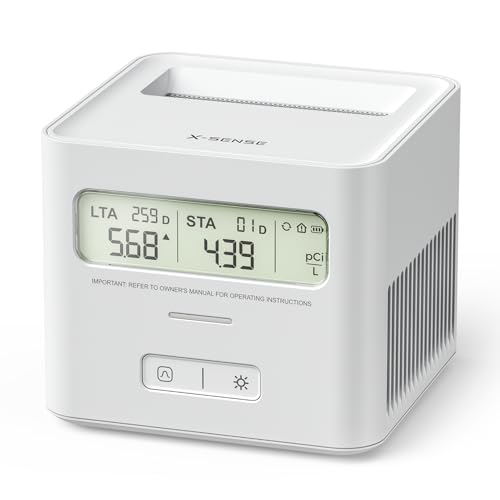
X-Sense Radon Detector for Home, Easy to Use, Zero Lab Fees, No Installation Required, Continuous Monitoring with Clear LCD Screen, XR0A-SR
Precise and High Performance: This radon detector complies with the standard requirements for performance parameters, and provides precise…
As an affiliate, we earn on qualifying purchases.
As an affiliate, we earn on qualifying purchases.