
Start by creating a budget to track your spending and identify areas to cut back. Automate savings immediately after each paycheck to prioritize growing your financial cushion. Review subscriptions and memberships regularly, cancel unused ones, and compare prices before purchases. Limit impulsive buys by waiting 24 hours before making big expenses. Continuously educate yourself on personal finance topics; mastering these habits will help you build wealth faster. Keep going — you’ll uncover even more simple ways to boost your savings.
Key Takeaways
- Create a detailed budget and track every expense to identify and cut unnecessary spending.
- Set up automatic transfers to savings right after each paycheck to prioritize saving.
- Review and cancel unused subscriptions or memberships to reduce recurring expenses.
- Compare prices and seek discounts or cashback offers before making any purchase.
- Establish clear financial goals and break them into milestones to stay motivated and disciplined.
Developing money-saving habits can considerably boost your financial security and help you reach your goals faster. One of the most effective ways to do this is by adopting solid budgeting strategies. When you create a budget, you gain a clear picture of your income and expenses, making it easier to identify areas where you can cut back. Start by tracking every dollar you spend for at least a month. This helps you see your spending patterns and highlights unnecessary expenses. Once you understand your habits, set realistic limits for different categories—like dining out, entertainment, and shopping—and stick to them. Automating your savings by setting up automatic transfers to your savings account right after you receive your paycheck ensures you prioritize saving before spending. This disciplined approach prevents you from spending what you should be saving and helps you build a financial cushion over time.
Adopt budgeting and automatic savings to boost financial security and build your savings over time.
Alongside budgeting strategies, focusing on investment tips can accelerate your wealth-building journey. It’s wise to start investing early, even if it’s a small amount, since compound interest can greatly grow your money over the years. Consider low-cost index funds or ETFs, which offer diversified exposure and tend to have lower fees, making them a smart choice for beginners. Consistently contributing to your investments, regardless of market fluctuations, is key—think of it as paying yourself first. Additionally, take advantage of employer-sponsored retirement plans like a 401(k), especially if your employer offers matching contributions. This is fundamentally free money that boosts your savings rate and helps your money grow faster.
To maximize your savings, look for opportunities to reduce recurring expenses. Review your subscriptions and memberships regularly; cancel those you no longer use or need. Shop smarter by comparing prices before making purchases and look for discounts or cashback offers. Cut back on impulse purchases by giving yourself a cooling-off period—wait 24 hours before buying something expensive. Another effective habit is setting specific financial goals, such as saving for a vacation or a down payment, which keeps you motivated and focused. Break these goals into smaller, manageable milestones, and celebrate each achievement to stay motivated. Incorporating knowledge about projector technology, such as understanding contrast ratios, can also help you make smarter decisions when choosing products that align with your financial goals.
Lastly, always educate yourself on personal finance topics. Read books, listen to podcasts, or follow reputable financial blogs. The more you learn about budgeting strategies and investment tips, the better decisions you’ll make. Remember, building wealth doesn’t happen overnight. By incorporating these habits today, you set yourself on a path toward greater financial stability and independence. Small, consistent steps make a notable difference over time, so start now, stay committed, and watch your financial confidence grow.

B btransfer M1630 pro DTF Printer Bundle with Screen Touch Powder Shaker & Dryer,T Shirt Portable Printing Device,Slef-Maintenance & Automatic Cutter (Printer+Laptop+Shaker+Bracket+Consumables)
✅ 【All-in-One DTF Bunble】-M1630 pro DTF printer + A3 shaker & dryer machine + Portable stand ,Space-saving, portable,…
As an affiliate, we earn on qualifying purchases.
As an affiliate, we earn on qualifying purchases.
Frequently Asked Questions
How Can I Save Money Without Feeling Deprived?
You can save money without feeling deprived by focusing on budget-friendly meals and DIY home repairs. Opt for simple, nutritious recipes that cost less but still satisfy your cravings. Tackle small repairs around the house yourself instead of hiring professionals. This approach saves you money and gives you a sense of accomplishment. By making these small changes, you enjoy financial relief without sacrificing comfort or enjoyment.
What Are Quick Wins for Saving Money Immediately?
You can start saving money immediately by setting up automatic transfers to your savings account; it’s effortless and guarantees you save before spending. Additionally, use cashback rewards from your credit cards or shopping apps to get money back on purchases. These quick wins don’t require much effort, and they help you build savings faster without feeling deprived, making your money work smarter from day one.
How Do I Stay Motivated to Maintain Savings Habits?
Think of yourself as a captain steering toward financial success. To stay motivated, embrace financial accountability by tracking your progress regularly, celebrating small victories, and visualizing your long-term goals. Remind yourself of the benefits of disciplined saving, like security and freedom. Keep your eyes on the horizon, and remember that consistency builds habits, making it easier to stay committed even when motivation wanes.
Are There Apps That Help Track My Savings Automatically?
Yes, there are apps that help you track your savings automatically. Budgeting apps like Mint, YNAB, and PocketGuard offer automated tracking features that link to your bank accounts, so your spending and savings are updated in real-time. These apps simplify managing your finances, give you clear insights, and help you stay motivated to reach your savings goals effortlessly. Give them a try to stay on top of your money management.
How Can I Save Money on Irregular or Unexpected Expenses?
You can save money on irregular expenses by building an emergency fund and creating an expense buffer. Set aside a small portion of your income regularly into a dedicated account, so you’re prepared for unexpected costs. This way, when surprises happen, you won’t have to dip into your regular savings or go into debt. Consistently contribute to your emergency fund and adjust your buffer as expenses fluctuate, ensuring you’re always protected.

Budget Planner – Monthly Budget Book with Expense Tracker Notebook, Undated Bill Organizer & Finance Planner to Take Control of Your Money, Account Book to Manage Your Finances-Pink
Effective Budget Planning – Take control of your finances with the budget account book. This comprehensive planner allows…
As an affiliate, we earn on qualifying purchases.
As an affiliate, we earn on qualifying purchases.
Conclusion
By adopting these simple habits today, you’ll open the power to turn your finances around faster than you can say “financial freedom.” Imagine saving so much that your bank account practically does a happy dance every month, and your future self showers you with gratitude. Don’t wait for a miracle—start now, and watch your money grow like a wild, unstoppable force. Your wallet will thank you, and so will your dreams of a worry-free life.

Subscription Tracker Log Book: A Complete Subscription Organizer with Cancellation Log, Expense Tracker, and Notes Pages to Manage Streaming Services, Apps, Memberships, and Recurring Bills
As an affiliate, we earn on qualifying purchases.
As an affiliate, we earn on qualifying purchases.
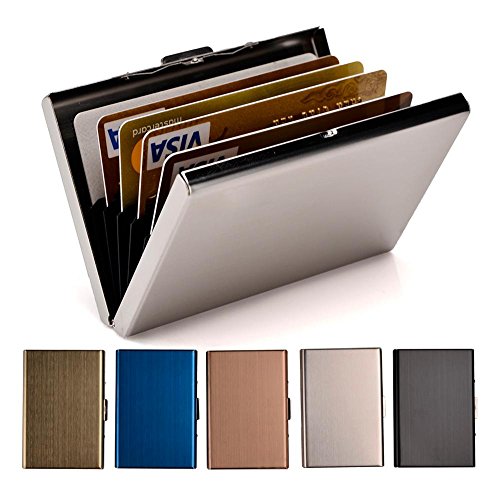
EASTNIGHTS RFID Credit Card Holder Stainless Steel Credit Card Wallet Business Card Holder for Women Men
RFID DESIGN: RFID blocking signals business card holder, protect your credit card protector from unauthorized scanning.
As an affiliate, we earn on qualifying purchases.
As an affiliate, we earn on qualifying purchases.