
Budgeting 101 with the envelope system means dividing your cash into labeled envelopes for each expense category like groceries, rent, or entertainment. You first track your income and fix your expenses, then assign realistic amounts to each envelope. When you spend, use only the cash from the respective envelope, helping you stay on target and avoid overspending. Continuing with the basics will help you master this simple, effective way to control your finances.
Key Takeaways
- The envelope system involves dividing cash into labeled envelopes for different expense categories to control spending.
- It starts with tracking income, fixed costs, and variable expenses, then allocating cash accordingly.
- Use physical envelopes and only spend from the designated envelope for each category.
- Regularly review and adjust envelopes to stay on budget and meet financial goals.
- Incorporate routines and goal visibility to build discipline and maintain long-term financial success.

Juvale Cash Envelopes for Budgeting System – 6.75 x 3.25 In, A6 Binder Size, Multicolor, 96 Count – Money Envelopes for Cash with Tracking Ledger
Cash Management: Efficiently manage your daily, monthly, or yearly personal and business expenses with this set of budget…
As an affiliate, we earn on qualifying purchases.
As an affiliate, we earn on qualifying purchases.
Understanding the Basics of Budgeting
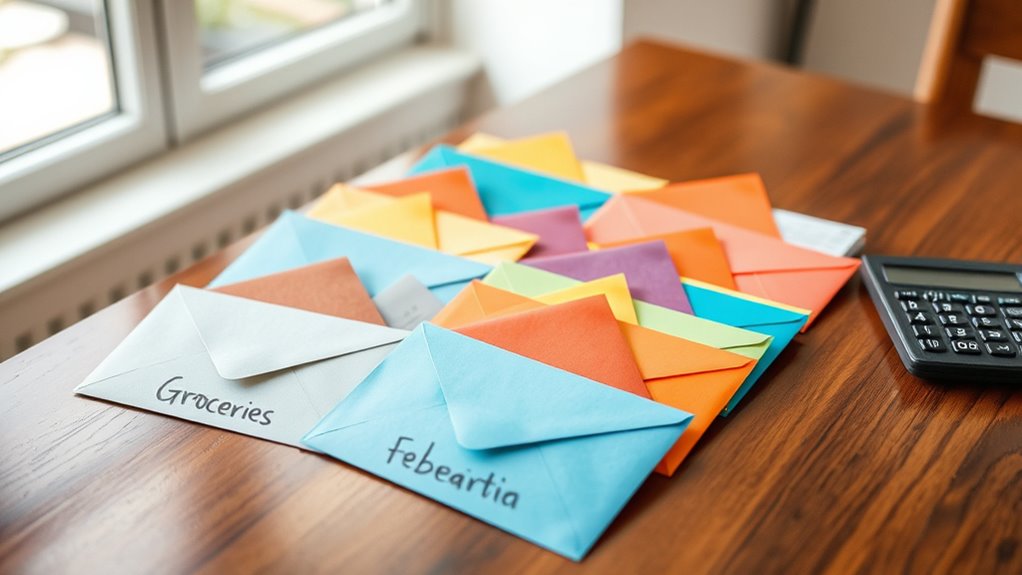
Have you ever wondered how to take control of your finances? Budgeting is the essential first step. It means tracking your income and expenses so you know exactly where your money goes. Start by listing all your sources of income, then identify your fixed costs like rent, utilities, and loan payments. After that, add variable expenses such as groceries, entertainment, and dining out. The goal is to create a clear picture of your financial flow. Budgeting helps you prioritize spending, avoid debt, and save for future goals. It’s not about restricting yourself, but about understanding your financial habits. With a solid foundation in these basics, you’re ready to build a practical system that keeps your finances on track.

SKYDUE Budget Binder, Money Saving Binder with Zipper Envelopes, Cash Envelopes and Expense Budget Sheets for Budgeting
Cash Envelopes System:1pcs PU leather money saving binder,8pcs A6 6-holes binder pockets,12pcs expense budget sheets,3 sheets of category…
As an affiliate, we earn on qualifying purchases.
As an affiliate, we earn on qualifying purchases.
What Is the Envelope System?
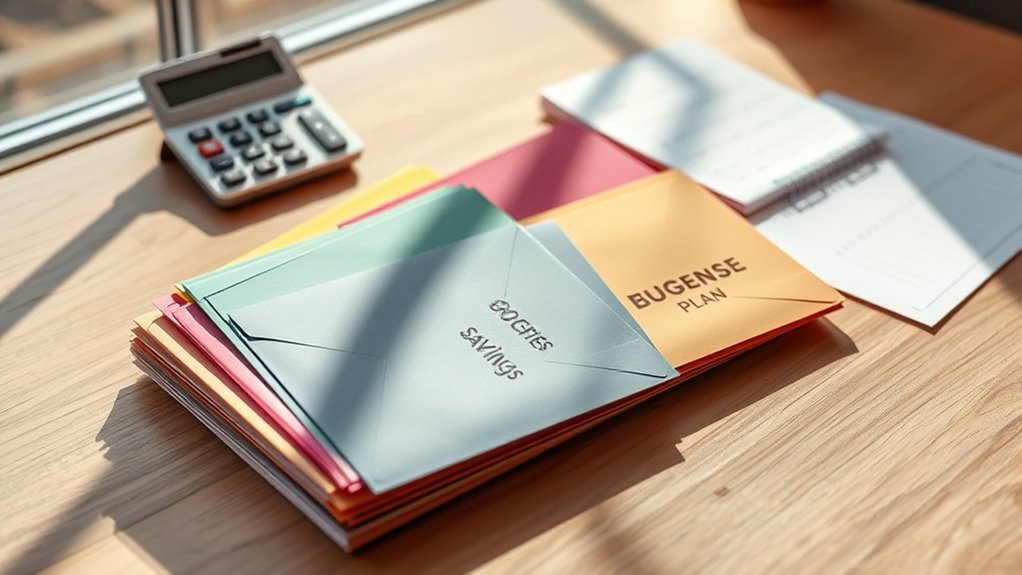
The envelope system helps you control spending by dividing your cash into different categories, like groceries or entertainment. You allocate a set amount to each envelope based on your budget, making it easier to manage your cash flow. This simple method keeps your spending in check and guarantees you stay within your limits.
How It Works
Curious about how the envelope system keeps your spending on track? It’s simple: you allocate a set amount of cash to different envelopes for each expense category, like groceries or entertainment. At the start of the month, you withdraw the total cash and divide it into these labeled envelopes. When you need to buy something, you use only the cash from that specific envelope. Once it’s empty, you can’t spend any more from that category until next month. This visual approach helps you see exactly how much money you have left, making it easier to stick to your budget. No digital tracking needed—just your physical cash and envelopes. It’s a straightforward way to control spending and stay mindful of your financial limits.
Budget Categories
Budget categories are the foundation of the envelope system, helping you organize your spending to stay on track. You’ll create different envelopes for each expense area, like groceries, entertainment, or transportation. Assign a specific amount of cash to each envelope based on your budget. This way, when you spend, you use the cash from the appropriate envelope, making it clear how much you have left in each category. Setting clear categories helps prevent overspending and keeps your finances focused. It also simplifies tracking your expenses—when an envelope is empty, you know you’ve hit your limit for that category. By dividing your money into distinct groups, you gain better control over your spending habits and ensure your money aligns with your financial priorities.
Managing Cash Flow
Have you ever wondered how to keep track of your spending without overspending? The envelope system helps you manage cash flow by dividing your money into labeled envelopes for different expenses. You decide how much to allocate for categories like groceries, entertainment, or savings, then put that amount in each envelope. When you need to buy something, you use cash from the respective envelope, which keeps spending in check. This method makes you more aware of your limits because you see your cash deplete as you spend. It prevents overspending because once an envelope is empty, you stop spending in that category. Managing cash flow this way encourages discipline and ensures your spending aligns with your income.

ABC life Cash Envelopes Plastic for Budget System – Money Envelopes for Budgeting and Saving, 12 Pack of Assorted Colors, Tear and Water Resistant, 12 Expense Tracking Budget Sheets & 3 Label Sheets
12 Unique Designs: Budget envelopes come in 12 unique designs for easy identification, making budgeting easier. Choose the…
As an affiliate, we earn on qualifying purchases.
As an affiliate, we earn on qualifying purchases.
Setting Up Your Envelopes

Wondering how to keep your spending on track? The key is setting up your envelopes correctly. First, gather your cash for each category, like groceries, entertainment, and savings. Label each envelope clearly so you know exactly what it’s for. Use a permanent marker or pre-printed labels for clarity. Make sure the cash matches your predetermined budget for that category. Keep your envelopes organized in a way that’s easy to access and manage. Consider using a dedicated envelope holder or small boxes if you prefer more structure. The goal is to create a simple, visual system that helps you see your spending limits at a glance. Once your envelopes are set up, you’re ready to allocate funds and start controlling your expenses effectively.

Clever Fox Budget Planner Pro – Financial Organizer + Cash Envelope Budget System. Monthly Finance Journal, Expense Tracker & Personal Account Book. Undated – Start Anytime. (7''x10'') – Black
TAKE CONTROL OF YOUR FINANCES: Budget Planner PRO combines a spacious, large format, effective budgeting tools, and helpful…
As an affiliate, we earn on qualifying purchases.
As an affiliate, we earn on qualifying purchases.
Allocating Funds to Each Envelope
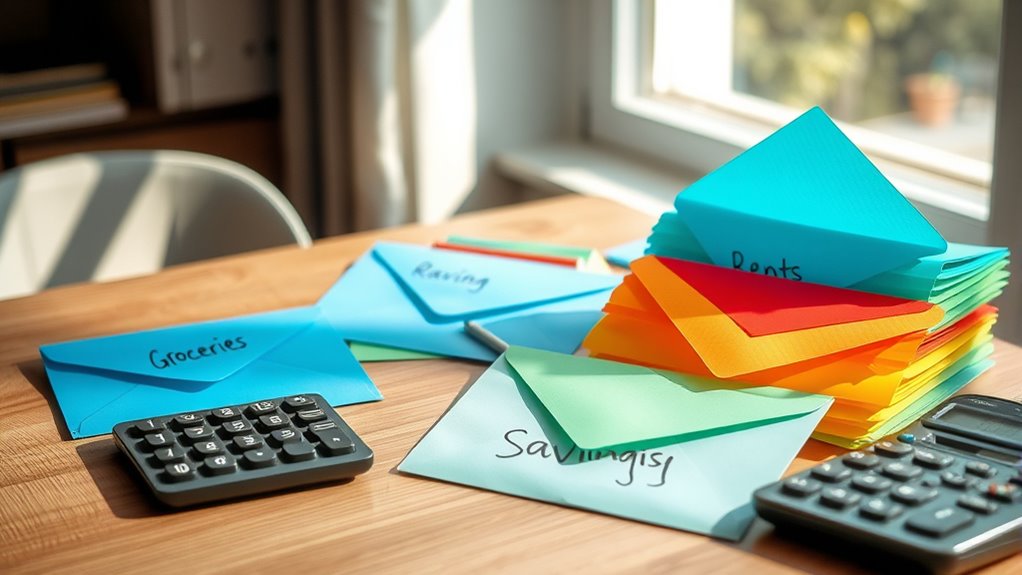
Once your envelopes are labeled and ready, the next step is to allocate funds to each one based on your planned budget. Review your spending plan carefully, and decide how much money should go into each category. Start by counting your available cash and then distribute it accordingly, placing the designated amount into each envelope. Be precise to make sure your budget stays on track. If you find you’re short in one area, adjust other envelopes accordingly before filling them. Remember, the goal is to assign realistic amounts that reflect your spending habits, not just ideal amounts. This step helps you visualize your spending limits and keeps your finances organized, setting a strong foundation for successful money management.
Managing Your Spending With Envelopes
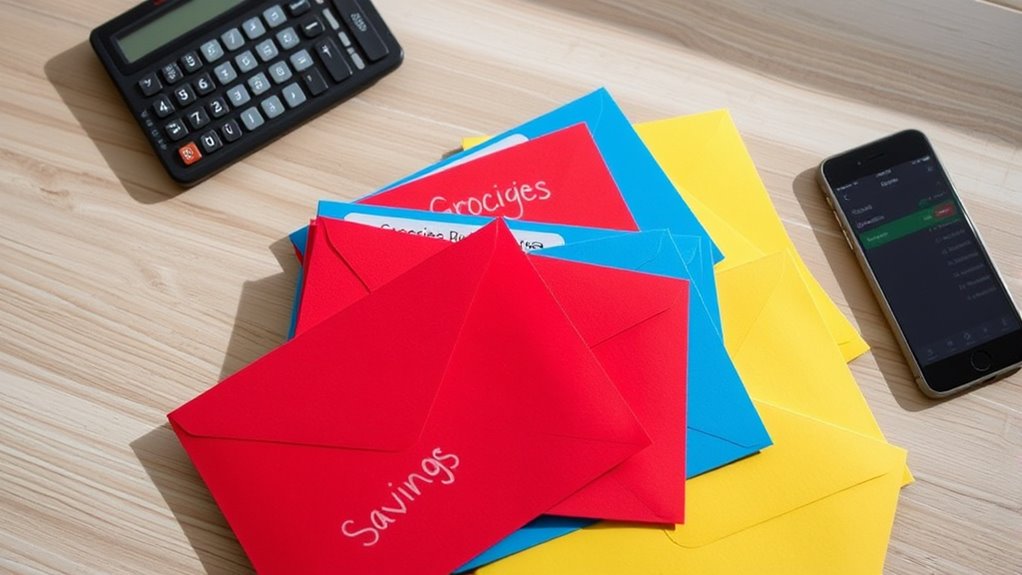
With your envelopes filled according to your budget plan, it’s time to focus on managing your spending day-to-day. When you’re out shopping or paying for services, only use cash from the specific envelope designated for that expense. This keeps you aware of your spending limits and prevents overspending. As you spend, withdraw the exact amount from the envelope, and avoid dipping into other envelopes unless it’s a planned transfer. Keep track of each expense by noting it down or reviewing your remaining cash regularly. This method encourages mindful spending since you see your cash diminish with each purchase. Over time, you’ll develop a clearer understanding of your spending habits and stay aligned with your financial goals.
Benefits of Using the Envelope System
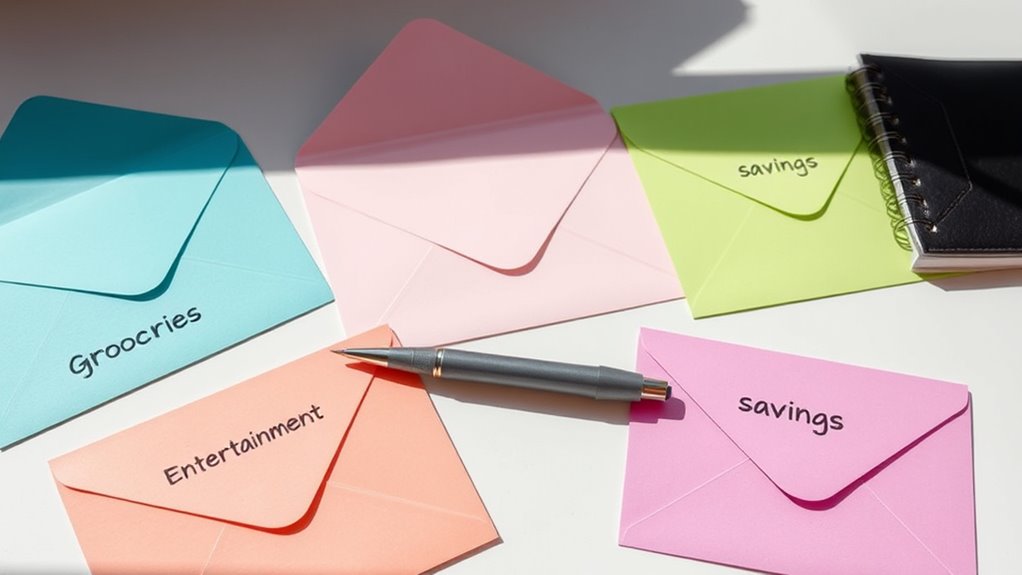
Using the envelope system helps you stay disciplined with your finances by making your spending limits clear. It prevents overspending because you can see exactly how much money is allocated for each category. As a result, you gain better control over your budget and avoid unnecessary expenses.
Encourages Financial Discipline
The envelope system fosters strong financial discipline by making you more aware of your spending habits. When you allocate cash into envelopes for different categories, you see exactly how much you have to spend, which helps prevent impulse purchases. This visual cue keeps you accountable, encouraging you to stick to your budget. As you use cash instead of cards, you feel the tangible loss with each purchase, reinforcing restraint. Over time, this method trains you to prioritize your expenses and avoid unnecessary spending. It shifts your mindset from mindless spending to intentional spending, promoting better money management. By consistently practicing this system, you develop habits that support your financial goals and foster long-term discipline.
Prevents Overspending
One of the main benefits of the envelope system is its ability to prevent overspending. When you allocate cash into specific envelopes for each expense category, you set clear limits for yourself. Once the cash in an envelope is gone, you stop spending in that category, which helps you stay within your budget. This visual and tactile system makes it harder to overspend because you’re physically reminded of your spending limits. Instead of relying on digital accounts or credit cards, cash in envelopes creates a tangible barrier. As funds decrease, you’re more aware of your spending habits and are less likely to dip into savings or overspend on non-essential items. Overall, it keeps your spending disciplined and aligned with your financial goals.
Tips for Staying Consistent and Successful
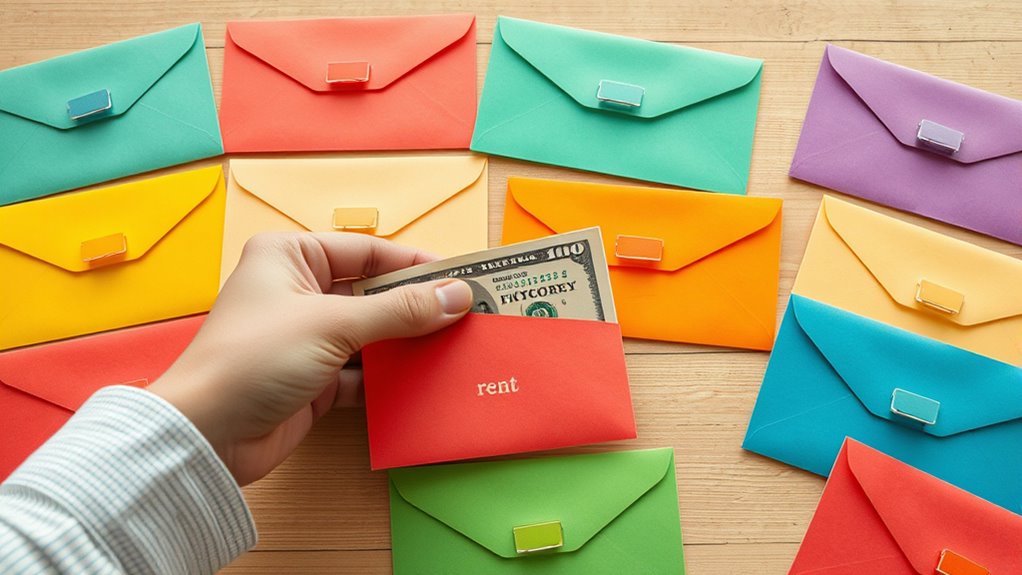
Staying consistent with your budget can be challenging, but establishing clear routines makes it easier to succeed. To stay on track, set aside a specific time each week to review your envelopes and expenses. Keep your goals visible, so you stay motivated. Automate transfers when possible to reduce manual effort and prevent forgetfulness. Finally, celebrate small victories to maintain enthusiasm and reinforce your commitment. These habits create a sense of discipline and help you adapt to changing financial situations. With consistency, managing your money becomes second nature, making it easier to reach your financial goals. Remember, persistence and routine are key to turning the envelope system into a lasting success.
Frequently Asked Questions
How Do I Handle Overspending in One Envelope?
If you overspend in one envelope, don’t panic. First, assess how much you went over and adjust your spending in other envelopes for the rest of the month. Consider temporarily reducing allocations or cutting back on non-essential categories. Going forward, set a small buffer in your envelope to handle unexpected expenses. Remember, flexibility helps you stay on track without feeling guilty or discouraged.
Can I Use Digital Envelopes Instead of Physical Ones?
Over 60% of people find digital envelopes more convenient than physical ones. You can absolutely use digital envelopes; many budgeting apps now offer virtual envelopes that track your funds in real-time. They’re secure and easy to customize, so you can allocate money for different categories without the hassle of handling cash. Plus, digital systems often send alerts if you’re nearing your limit, helping you stay on track effortlessly.
What Should I Do if I Run Out of Funds Early?
If you run out of funds early, stop spending in that category immediately. Review your expenses and see where you can cut back or adjust your budget. Consider reallocating funds from less critical envelopes or delaying non-essential purchases. It’s important to stay disciplined and not overspend, even if it means postponing some expenses. This helps you stay on track and avoid debt, ensuring your overall financial health stays intact.
How Often Should I Review and Adjust My Envelopes?
You should review and revise your envelopes regularly, preferably weekly, to keep your budget balanced and bright. This way, you catch any discrepancies and adjust allocations accordingly. Consistent checking helps you stay current with your spending, avoid overspending, and optimize savings. Make it a routine, set reminders, and stay steadfast in tracking your finances to guarantee your envelope system stays secure and sustainable.
Is the Envelope System Suitable for All Income Levels?
Yes, the envelope system can work for all income levels. If you earn more, you can allocate more envelopes or larger amounts to each category, helping you stay disciplined and mindful of your spending. If your income is limited, it helps you prioritize essentials and avoid overspending. You just need to adjust the envelope amounts to fit your financial situation, making this system flexible and adaptable for everyone.
Conclusion
Using the envelope system can transform your finances, helping you stay on track and control spending. Did you know that 60% of people who use cash-based systems like envelopes report better budget adherence? By setting boundaries and sticking to your envelopes, you’ll build healthier habits and reach your financial goals faster. Stay consistent, and you’ll see how simple it is to take charge of your money and enjoy peace of mind.