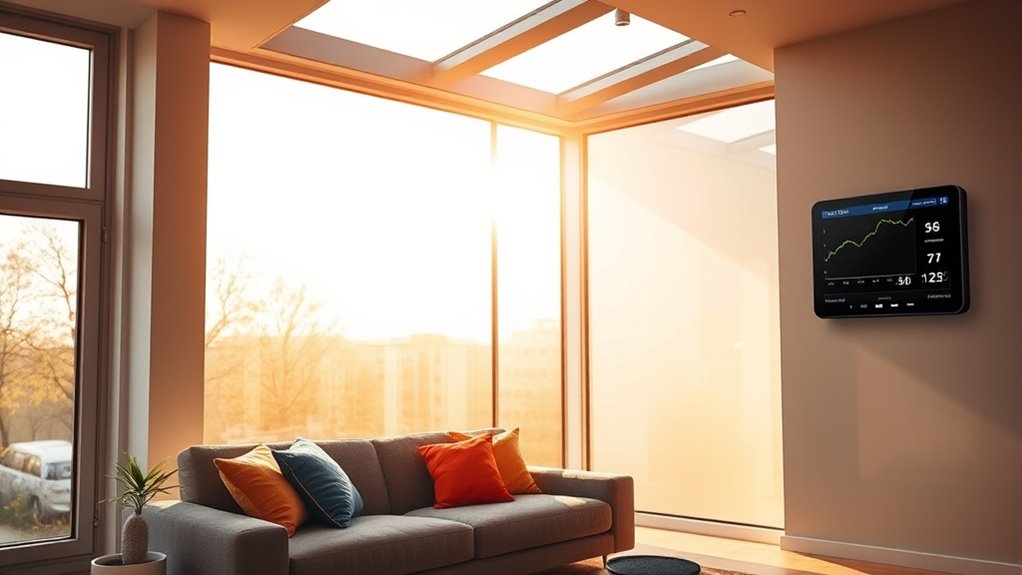

To cut your electric bill in half, start by monitoring your energy use with smart plugs or monitors to spot waste. Adjust your thermostat settings with programmable or smart thermostats, and make sure your home is well-sealed and insulated. Switch to LED lighting and maximize natural light during the day. Remember to unplug devices when not in use, and explore renewable options like solar power. Keep going to discover more easy tips to slash your energy costs.

Get the little things that make your day delivered free with Prime
- Fast, free delivery on millions of items
- Prime Video, Amazon Music and more included
- Member-only deals all year
Key Takeaways
- Use energy monitors and smart plugs to identify and eliminate high-energy appliances and wasteful usage.
- Install programmable or smart thermostats to optimize heating and cooling schedules efficiently.
- Switch to LED lighting and utilize natural light to reduce electricity consumption significantly.
- Seal leaks and improve insulation to lessen HVAC workload and energy costs.
- Unplug chargers and electronics when not in use, and use smart power strips to prevent phantom power drain.
As an affiliate, we earn on qualifying purchases.
Understanding Your Home’s Energy Consumption
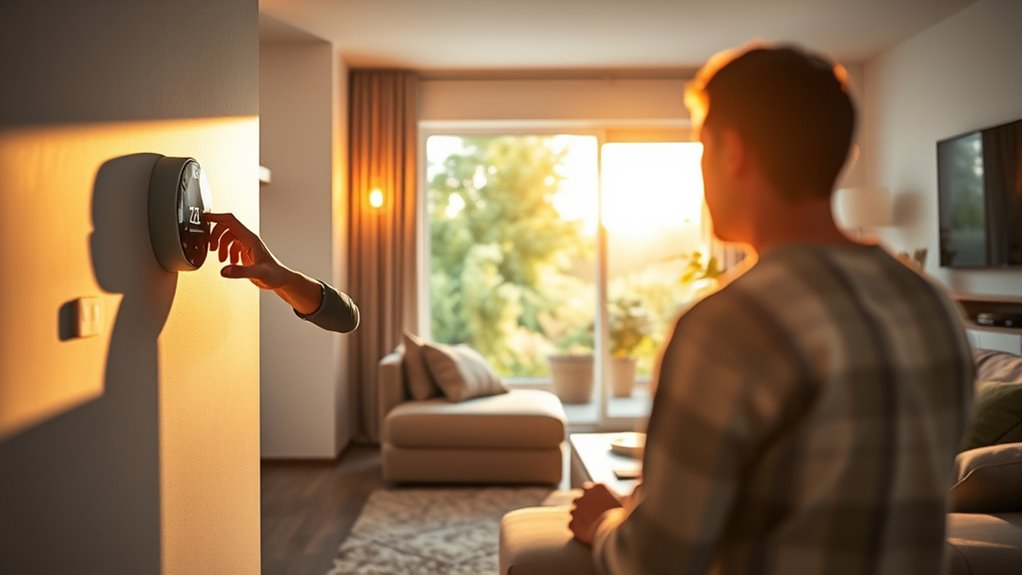
To effectively cut your electric bill, you first need to understand how your home consumes energy. Start by reviewing your utility bills to identify your average monthly usage and costs. Use a home energy monitor or smart plugs to track which appliances and devices draw the most power. Pay attention to peak usage times, as energy costs can vary throughout the day. Check for energy-intensive appliances like air conditioners, water heaters, and refrigerators, and consider how often they run. Understanding your consumption patterns helps you identify unnecessary or wasteful energy use. By pinpointing where your energy goes, you’ll be better equipped to make targeted changes that reduce your bill and improve your home’s energy efficiency.
As an affiliate, we earn on qualifying purchases.
The Power of Smart Thermostat Settings
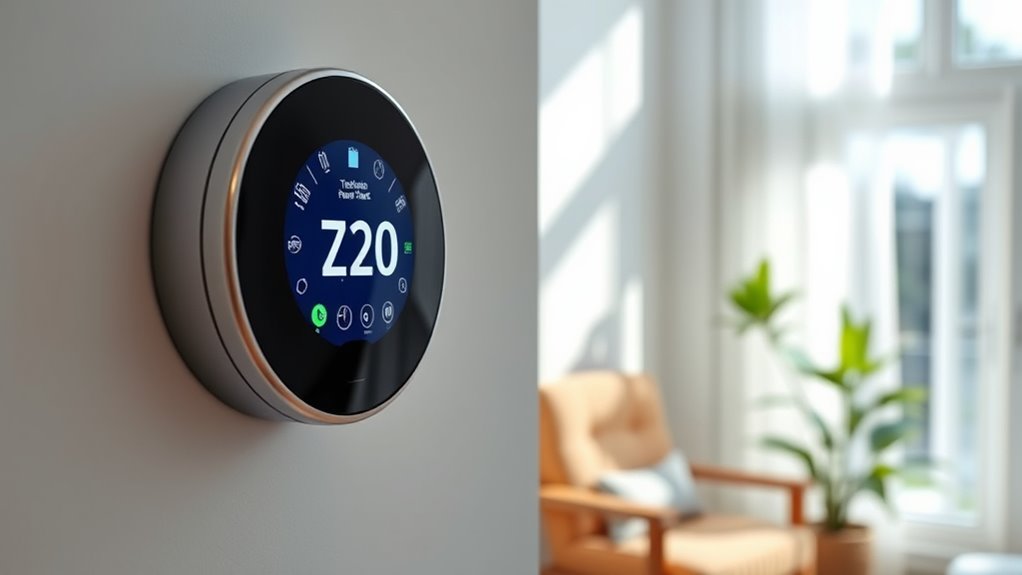
Smart thermostats can substantially lower your energy bills by optimizing your home’s heating and cooling schedules. When set correctly, they learn your routines and adjust temperatures accordingly, saving you money. Here are four ways to maximize their impact:
- Set realistic temperature ranges during different times of the day to avoid unnecessary heating or cooling.
- Use scheduling features to lower the temperature when you’re away or asleep.
- Enable adaptive learning so your thermostat automatically fine-tunes settings over time.
- Take advantage of app controls to adjust your thermostat remotely, ensuring efficiency even when you’re not home.
LED light bulbs for energy saving
As an affiliate, we earn on qualifying purchases.
As an affiliate, we earn on qualifying purchases.
Embracing Energy-Efficient Lighting Solutions

Switching to LED bulbs can substantially reduce your energy use compared to traditional incandescent lights. Smart lighting systems let you control brightness and schedules, saving even more on your bill. Embracing these options makes your home both more efficient and convenient.
LED vs. Incandescent
Although incandescent bulbs have been the standard for decades, LED lights are quickly becoming the smarter choice for energy efficiency. LEDs use up to 80% less energy and last 25 times longer than incandescent bulbs. When comparing the two, keep in mind:
- LEDs consume markedly less power for the same brightness.
- They generate less heat, making them safer and more energy-efficient.
- LEDs have a longer lifespan, reducing replacement costs.
- They are available in a variety of color temperatures to suit different moods and settings.
Switching to LED lighting not only cuts your electricity bill but also reduces waste and environmental impact. Making the switch is a simple yet impactful step towards smarter energy use.
Smart Lighting Benefits
Upgrading to energy-efficient lighting solutions like smart lighting systems enhances your home’s efficiency and convenience. Smart lights let you control brightness, color, and schedules from your phone or voice commands, saving energy and reducing bills. They automatically turn off when no one is in the room and adjust based on natural light levels. Plus, you can set timers or dim lights for different activities, creating a comfortable atmosphere while conserving power. Here’s a quick comparison:
| Feature | Traditional Lights | Smart Lighting | Savings Potential |
|---|---|---|---|
| Control | Manual switch | App or voice control | High |
| Energy Efficiency | Moderate | Optimized usage | Significant |
| Customization | Limited | Color, brightness, schedules | Personalized comfort |
Embracing smart lighting improves your home’s efficiency and your lifestyle.
smart power strip with surge protection
As an affiliate, we earn on qualifying purchases.
As an affiliate, we earn on qualifying purchases.
Maximizing Natural Light During the Day

To make the most of natural light, open your curtains and blinds fully during the day. Consider using light-colored curtains to reflect sunlight and brighten your space without extra energy. These simple changes can considerably reduce your reliance on artificial lighting.
Maximize Window Usage
Maximizing window usage is one of the simplest ways to reduce your electricity bill by harnessing natural light during the day. To do this effectively, consider these strategies:
- Keep windows clean to ensure maximum sunlight enters.
- Arrange furniture to avoid blocking windows and allow light to spread.
- Use mirrors strategically to reflect sunlight into darker corners.
- Open curtains or blinds early in the morning to flood rooms with natural light.
Use Light-colored Curtains
Have you ever noticed how dark rooms can become even darker when heavy, dark curtains block out sunlight? Switching to light-colored curtains can make a big difference. They reflect more sunlight into your room, brightening the space naturally. This reduces your need for artificial lighting during the day, saving electricity and lowering your bill. Light-colored curtains also create a more open and airy feel, making your home appear larger and more inviting. To maximize this effect, keep curtains open during peak daylight hours. If privacy is a concern, opt for sheer or semi-sheer fabrics in light hues. Not only will this help you save on energy costs, but it also boosts your home’s overall brightness and comfort naturally.
Reducing Standby Power Losses
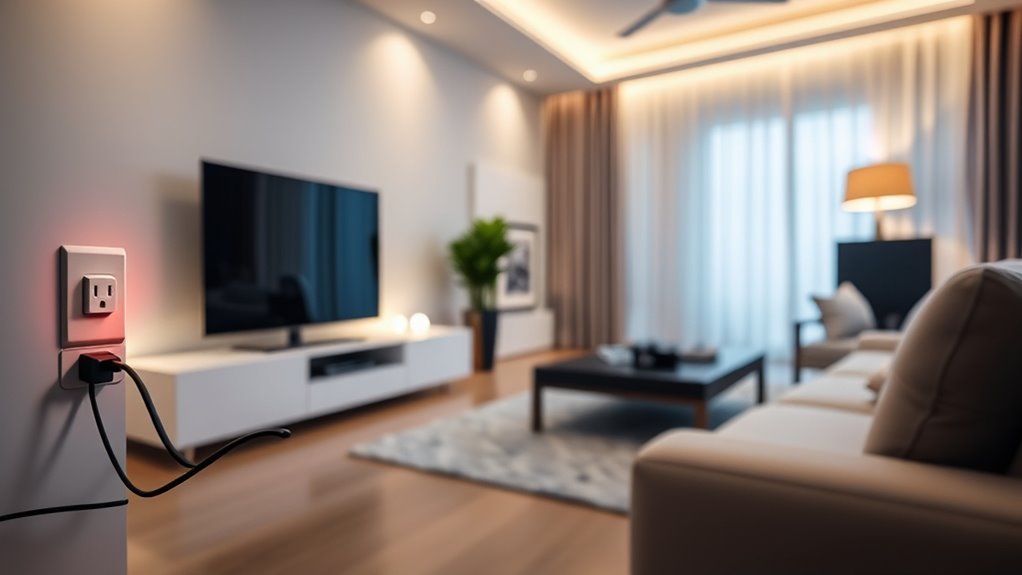
Even when appliances are turned off, many still draw power, quietly increasing your electricity bill. This is called standby power loss. To cut these costs, you should unplug devices when not in use or use power strips with switches. Here are four ways to reduce standby power:
- Unplug chargers and electronics after charging or use a smart power strip.
- Turn off devices completely instead of leaving them on standby mode.
- Avoid keeping unused appliances plugged in continuously.
- Use energy-efficient appliances that consume less standby power.
Improving Home Insulation and Sealing Leaks

Improving your home’s insulation and sealing leaks can substantially reduce energy waste and lower your electricity bills. When your home is well-insulated, it keeps warm air inside during winter and cool air inside during summer, reducing the workload on your heating and cooling systems. Sealing leaks around windows, doors, and other gaps prevents drafts and infiltration, which can cause your HVAC system to run more often. Use weatherstripping and caulk to seal cracks and gaps effectively. Adding insulation to attics, walls, and crawl spaces enhances energy efficiency further. These simple upgrades not only cut costs but also improve comfort year-round. Taking the time to insulate properly and seal leaks ensures your home uses less energy, translating into significant savings on your electric bill.
Utilizing Solar Power and Renewable Resources

Switching to solar power and renewable resources can substantially lower your electricity bills while reducing your environmental impact. By harnessing natural energy sources, you cut reliance on fossil fuels and decrease your carbon footprint. Consider these steps:
- Install solar panels on your roof to generate your own electricity.
- Invest in solar-powered outdoor lights and appliances.
- Explore community solar programs if you can’t install panels yourself.
- Use wind or hydro power options if available in your area.
These actions allow you to produce clean energy, often at a lower long-term cost. Not only do you save money, but you also contribute to a healthier planet. Embracing renewable resources is a smart move for your wallet and the environment alike.
Implementing Simple Everyday Habits to Save Energy
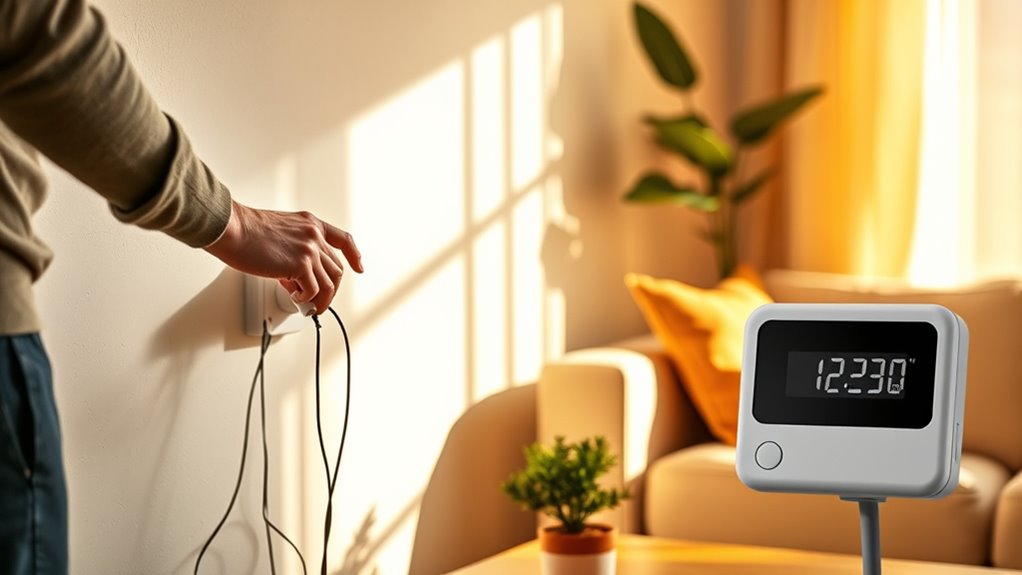
After taking steps to harness renewable energy sources, you can further cut your electricity bills by adopting simple daily habits that conserve energy. Small changes add up over time. Turn off lights when leaving a room, and unplug devices not in use to prevent phantom energy drain. Use energy-efficient bulbs and appliances whenever possible. Adjust your thermostat a few degrees lower in winter and higher in summer. Instead of running full loads, wash clothes and dishes only when necessary. Here’s a visual to help you picture these habits:
| Habit | Action | Impact |
|---|---|---|
| Turn off unused lights | Switch off when not needed | Saves electricity |
| Unplug gadgets | Remove chargers when done | Reduces standby power |
| Adjust thermostat | Lower or raise temperature slightly | Lowers HVAC costs |
| Use energy-efficient bulbs | Replace old bulbs with LEDs | Longer-lasting savings |
| Wash full loads | Wait until there’s enough to run | Less water and energy |
Frequently Asked Questions
Can DIY Energy Audits Accurately Identify All Home Energy Leaks?
DIY energy audits can help you spot many common home energy leaks, but they might not catch every single one. You’ll likely find drafts around windows, doors, and outlets, and notice areas where insulation could improve. However, some leaks are hidden or subtle, requiring professional tools or expertise to detect accurately. So, while DIY audits are a great start, consider professional assessments for a thorough evaluation.
What Are the Initial Costs Versus Long-Term Savings of Solar Panel Installation?
Installing solar panels costs between $15,000 and $25,000 upfront, depending on your home’s size and system. While the initial investment may seem high, you’ll save considerably on energy bills over time, often reducing costs by 50% or more annually. Most systems pay for themselves within 7 to 10 years through your energy savings, and you might also benefit from tax incentives and rebates, making it a smart long-term choice.
How Do I Choose the Most Energy-Efficient Appliances for My Home?
You should look for appliances labeled ENERGY STAR, as they meet strict efficiency standards. Don’t be overwhelmed by options; focus on the wattage, features, and reviews. Imagine lower utility bills and a smaller carbon footprint—these appliances make that possible. Before buying, compare energy labels and consider your household needs. Choosing efficient appliances saves money upfront and keeps your energy costs down long-term, making your home greener and more economical.
Are There Government Incentives for Upgrading to Energy-Efficient Systems?
Yes, you can take advantage of government incentives when upgrading to energy-efficient systems. Many programs offer rebates, tax credits, and low-interest loans to help offset costs. Check with your state or local government, as well as federal programs like the Residential Energy Efficiency Tax Credit. These incentives make it more affordable to invest in efficient appliances, solar panels, and insulation, saving you money long-term while reducing your environmental impact.
How Often Should I Service or Replace My Home’s Insulation Materials?
You should service or replace your home’s insulation materials every 10 to 15 years, depending on the type and condition. Regular inspections, especially before extreme seasons, help you identify issues like settling or damage. If your insulation looks damp, moldy, or compressed, it’s time to replace it. Proper insulation ensures energy efficiency, keeps your home comfortable, and can markedly reduce your electric bill.
Conclusion
So, there you have it—your foolproof plan to slash your electric bill in half. Who knew that turning down the thermostat, swapping bulbs, and embracing natural light could turn you into a savvy energy ninja? Just imagine all the money you’ll save while looking like a superhero who’s finally defeated the villain called High Electricity Costs. Now go ahead, conquer your home’s energy use—your wallet will thank you, and so will your future eco-conscious self.
NFL season / tailgating Picks
team gear
As an affiliate, we earn on qualifying purchases.