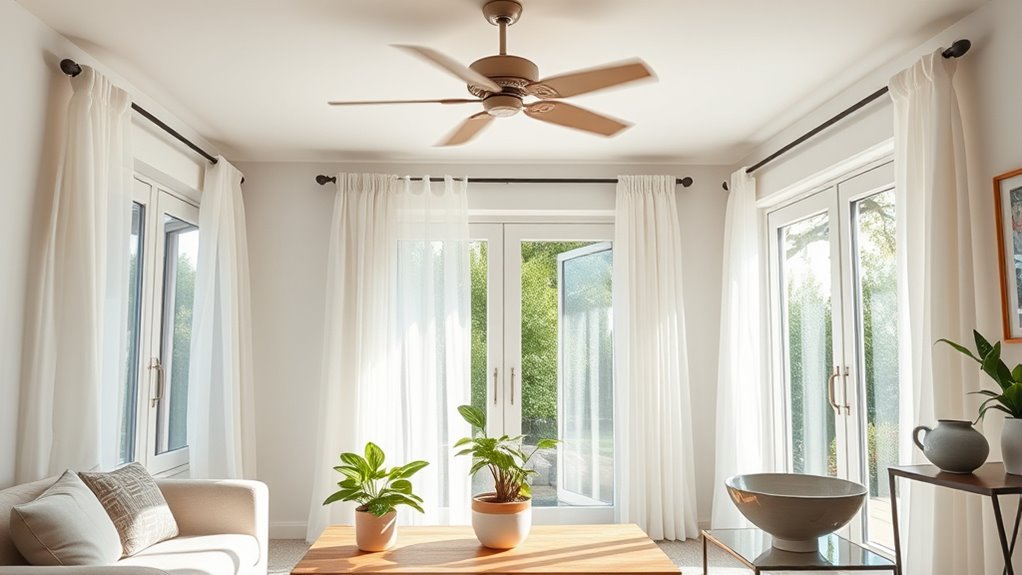

To keep your home cool without AC, start by using thick curtains or reflective shades to block the sun during hottest hours and open windows at night to let in cooler air. Create cross-breezes with strategically placed fans and open windows on opposite sides for better airflow. Keep blinds closed during the day to prevent heat buildup. By combining these simple tricks, you’ll stay comfortable and learn more ways to beat the heat naturally.
Key Takeaways
- Use thick or reflective window treatments to block or reflect sunlight during peak heat hours.
- Create cross-breezes by opening windows on opposite sides for natural ventilation.
- Employ fans strategically near open windows to enhance airflow and expel hot air.
- Open windows at night and close them during the day to regulate indoor temperatures naturally.
- Keep blinds or curtains drawn during hot periods to prevent sunlight from heating indoor spaces.

When the heat rises, finding ways to stay cool without relying on air conditioning can make a big difference in both comfort and energy bills. One effective method is to use window treatments strategically. Thick curtains, blackout blinds, or reflective shades can block out the sun’s rays during the hottest parts of the day, preventing heat from entering your home. Installing adjustable window coverings allows you to control how much sunlight gets in, giving you the power to keep your space cooler naturally. Light-colored or reflective materials can also bounce sunlight away, reducing indoor temperatures. Keep windows closed during peak heat hours to minimize heat gain, then open them in the evening when temperatures drop, promoting natural ventilation.
Use strategic window treatments and open windows wisely to stay cool naturally and reduce energy bills.
Natural ventilation is another key tactic. It involves creating a cross-breeze that helps move warm air out and pulls cooler air inside. To do this effectively, open windows on opposite sides of your home. If you have window screens, they’ll keep out insects while allowing fresh air to flow freely. Positioning fans near open windows can enhance this process by pushing hot air out and drawing in cooler air. Nighttime ventilation is especially helpful; when outdoor temperatures fall, open windows and let the cooler air circulate throughout your home. During the day, you can keep blinds or curtains drawn to prevent the sun from warming up your space while still allowing air to flow in through other open windows.
You can also create a more comfortable indoor environment by harnessing natural ventilation with ceiling or oscillating fans. These fans don’t cool the air but help circulate it, making you feel cooler through evaporation and air movement. Use fans near open windows to enhance cross-ventilation or place them strategically in rooms that tend to trap heat. Combining window treatments with natural ventilation maximizes your home’s ability to stay cool without air conditioning. It’s about blocking out the heat when it’s intense outside, then letting cooler air in when conditions are favorable. Additionally, considering the building envelope’s insulation can further improve your home’s passive cooling efficiency.
Incorporating these simple yet effective strategies keeps your home comfortable during hot days without skyrocketing your energy bills. Proper window treatments and leveraging natural ventilation work together to create a breezy, cool atmosphere. By controlling sunlight entry and encouraging airflow, you can enjoy a revitalizing, energy-efficient living space all summer long.

AGHITG Reflective Insulation Foam,48" x 10 Ft Window Insulation for Summer Heat,Aluminum Foil Bubble Insulation Roll for Keep Heat,Window Insulation Kit for RV, Thermal Insulation Cover for Window.
AlUMINUM REFLECTIVE INSULATION ROLL SIZE: 48''(W) x 10Ft (L), Easy to cut that can cater to all your…
As an affiliate, we earn on qualifying purchases.
As an affiliate, we earn on qualifying purchases.
Frequently Asked Questions
Can Plants Naturally Lower Indoor Temperatures Effectively?
Plants can naturally lower indoor temperatures through plant cooling and natural shade. When you place leafy plants near windows or in sunny spots, they absorb heat and provide shade, helping to reduce indoor warmth. Additionally, plants release moisture into the air through transpiration, which cools the surrounding environment. By strategically using plants, you can create a cooler, more comfortable home without relying on air conditioning.
How Does Interior Color Impact Heat Absorption?
Your wall color considerably impacts heat absorption; darker shades like black or navy absorb more heat, making your space warmer. Lighter interior paint, such as white or pastels, reflects sunlight and keeps your home cooler. When choosing wall colors, opt for light hues to reduce heat gain. This simple change can help maintain a cooler indoor environment without needing an air conditioner, saving energy and increasing comfort.
Are There Energy-Efficient Fans Suitable for Cooling?
Sure, energy-efficient fans are your best friends for cooling. Look for models with evaporative cooling features—these fans use water to reduce the air temperature, saving you energy. Proper ceiling fan placement matters too; position fans to create a breeze that circulates air effectively. With clever choices, you’ll stay cool while trimming energy bills—because who needs an AC when your fan game is this strong?
What Are the Best Window Treatments for Heat Reduction?
You should consider window films and reflective curtains to reduce heat effectively. Window films reflect sunlight and block heat before it enters your home, keeping indoor temperatures lower. Reflective curtains bounce sunlight away and insulate your windows, preventing heat buildup. Both options are easy to install and improve your home’s energy efficiency. By using these window treatments, you’ll stay cooler without relying on air conditioning and save on energy costs.
How Can I Improve Airflow Without Opening Windows?
You can improve airflow without opening windows by using ceiling fans to circulate air efficiently. Make certain your ceiling fans spin counterclockwise to create a cooling breeze. Additionally, set up airflow barriers or fans strategically to direct air where needed and block heat sources. Using these methods, you’ll enhance ventilation and keep your home cooler without relying on open windows, making your space more comfortable during hot days.
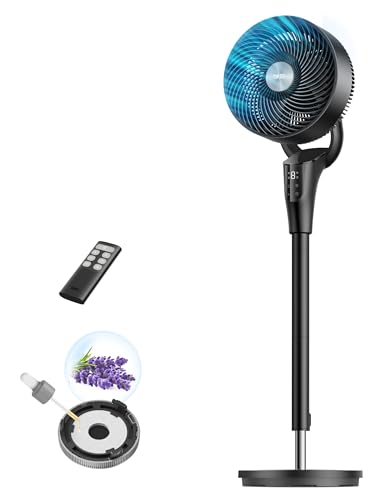
DREO Fan for Bedroom, 2026 Upgraded, 90ft Airflow, 20dB Quiet Fan, 90° Oscillating Standing Fan for Whole Room, DC Motor, 8+H Speeds, 3 Modes, 38-42'' Adjustable Height, 8H Timer, 105° Manual Vertical
𝙐𝙡𝙩𝙧𝙖 𝙋𝙤𝙬𝙚𝙧𝙛𝙪𝙡 𝘼𝙞𝙧 𝘾𝙞𝙧𝙘𝙪𝙡𝙖𝙩𝙤𝙧 𝘽𝙮 𝙐𝙥𝙜𝙧𝙖𝙙𝙚𝙙: Compared with traditional fan for bedroom, the 2026 upgraded air circulator fan…
As an affiliate, we earn on qualifying purchases.
As an affiliate, we earn on qualifying purchases.
Conclusion
As you try these tricks, you’ll notice how a simple breeze or a well-placed shade can turn your home cooler, almost like a coincidence. Sometimes, it’s the small changes—opening a window at just the right time or closing blinds during peak sun—that make all the difference. Keep experimenting, and you’ll find that staying cool without AC isn’t just possible, but surprisingly effortless. After all, the best solutions often come when you least expect them.
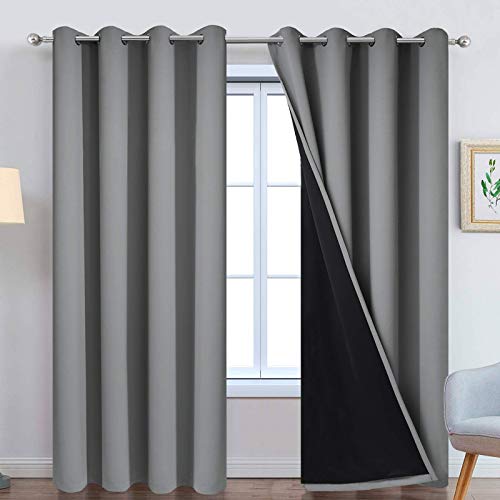
Yakamok 100% Blackout Curtains 84 Inches Long, 2 Thick Layers Heat and Full Light Blocking Soft Thermal Insulated Drapes for Bedroom(52" Wide Each Panel, Grey, 2 Panels)
PACKAGE MADE:2 panels per package. Each Lined Curtain measures 52" wide x 84" long. 8 Silvery Grommets per…
As an affiliate, we earn on qualifying purchases.
As an affiliate, we earn on qualifying purchases.

No-Seeum 20×20 Window Screen Mesh – Heavy-Duty Roll – Screens for Window, Door, Porch, & Patio – Easy to Install, Blocks Tiny Insects (72 Inches x 50 Feet)
Brought to you by: Window Screen Supply
As an affiliate, we earn on qualifying purchases.
As an affiliate, we earn on qualifying purchases.