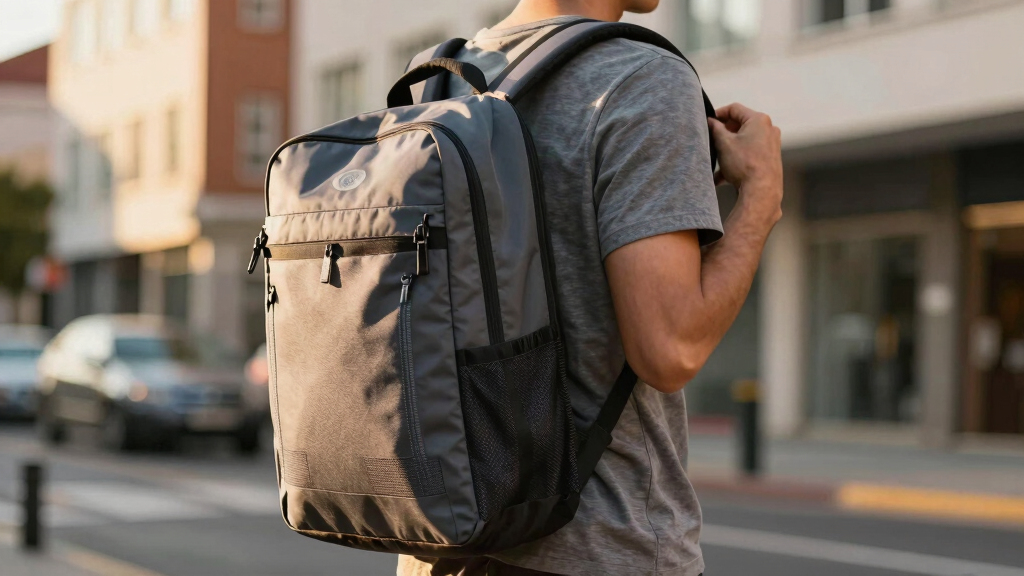

TL;DR
Ergonomic laptop backpacks improve comfort by evenly distributing weight and supporting your back. Recent innovations include smart features and eco-friendly materials, making them a smart choice for daily commuters and remote workers alike.
Ever felt your shoulders aching after a day lugging around your laptop? Or noticed that your back starts to protest after a few hours in a regular backpack? You’re not alone. Many people overlook how their everyday bag impacts their health.
Choosing an ergonomic laptop backpack isn’t just about style — it’s about protecting your body and making your daily commute smoother. This guide breaks down what makes a backpack truly ergonomic, highlights recent innovations, and shares tips so you can pick the perfect fit. Get ready to carry smarter, not harder.
Prioritize padded, adjustable straps and breathable back panels for daily comfort.
Use multiple compartments to evenly distribute weight and reduce strain.
Consider smart features like USB ports and anti-theft locks for added convenience.
Eco-friendly and sustainable materials are becoming standard in higher-end ergonomic backpacks.
Investing in ergonomic design can significantly lower back and shoulder pain over time.
What Makes a Laptop Backpack Truly Ergonomic?
Ergonomic laptop backpacks aren’t just about looking sleek. They’re designed to support your body during long wears. Think padded, adjustable shoulder straps that distribute weight evenly, preventing pressure points that can lead to discomfort or even nerve compression over time. The back panel should be made of breathable mesh or foam that not only keeps you cool but also cushions your spine, reducing the risk of long-term posture issues. Contoured shapes that hug your back help maintain natural spinal alignment, which is crucial for preventing chronic pain. These design elements matter because they directly influence how your body responds to daily loads; ignoring them can lead to muscle fatigue, misalignment, and increased injury risk. When choosing a backpack, consider how each feature contributes to reducing strain and supporting healthy posture, especially if you carry heavy or bulky gear regularly.
For example, imagine a backpack with padded shoulder straps that you can adjust easily, combined with a back panel made of soft, breathable fabric. As you move through your day, these features work together to keep your spine aligned and your shoulders relaxed, which can prevent the development of chronic pain and discomfort.

JARWAM 17" Travel Laptop Backpack, Airline Approved Computer Bag, Black
- Lifetime Warranty: Coverage against defects in materials and workmanship
- Large Capacity & Organization: Multiple compartments for storage and organization
- Water-Resistant Material: Protects gear from rain and spills
As an affiliate, we earn on qualifying purchases.
As an affiliate, we earn on qualifying purchases.
How to Choose a Backpack That Won’t Hurt Your Back
- Check the straps: Should be padded, wide, and adjustable. Properly padded straps prevent digging into your shoulders, while adjustable features allow you to customize fit, ensuring even weight distribution. A poor fit can cause uneven pressure, leading to muscle strain or nerve compression, especially during long wear.
- Look for a supportive back panel: A breathable mesh or padded back panel that molds to your back is essential. It reduces pressure points and helps maintain proper spinal curvature. Without adequate support, your back compensates by arching or slouching, which over time can cause misalignment and chronic pain.
- Assess weight distribution: Multiple compartments are not just for organization—they help distribute weight evenly across your back. This reduces localized stress on specific muscles and joints, lowering the chance of fatigue and injury. Well-organized compartments also prevent shifting of items, which can destabilize your posture and increase strain during movement.
- Choose the right size: Your backpack should fit your laptop snugly in a dedicated compartment, with some extra room for accessories. An ill-fitting bag that is too large or too small forces your body into unnatural postures, increasing strain on your neck, shoulders, and back. Proper sizing ensures your load remains close to your center of gravity, making carrying easier and safer.
- Consider additional support features: Chest straps or waist belts transfer some load from your shoulders to your hips, which are better suited for bearing weight. These features can significantly reduce fatigue and prevent strain, especially when carrying heavy loads over long distances. They also help stabilize the backpack, reducing unnecessary movement that can cause misalignment or injury.
For instance, a professional who commutes daily with a 15-inch laptop benefits from a backpack with a padded, adjustable strap system and a reinforced back panel, reducing shoulder and back stress. Choosing the right features based on your daily needs ensures long-term comfort and health.

BIKROD Travel Laptop Backpack, 17 Inch Extra Large School Backpacks for Teen Boys and Girls, Black Water Resistant Women Back Pack, Business Men Sturdy Computer Bag
- Spacious Main Compartment: Fits 17-inch laptops and accessories
- Multiple Pockets: Organized space for gadgets and books
- Water-Resistant Material: Durable polyester fabric with metal zippers
As an affiliate, we earn on qualifying purchases.
As an affiliate, we earn on qualifying purchases.
Compare Top Features of Popular Ergonomic Laptop Backpacks
| Feature | Basic Model | Premium Model |
|---|---|---|
| Materials | Nylon, polyester | Recycled fabrics, biodegradable options |
| Back Panel | Breathable mesh | Memory foam or gel padding |
| Straps | Padded, adjustable | Ergonomic design with additional chest/waist straps |
| Compartments | 2-3, simple organization | Multiple, customizable sections with tech-friendly features |
| Extra Features | Basic pockets | USB ports, anti-theft locks, RFID-blocking pockets |

Paxiland Mesh Backpack Lightweight, Heavy Duty See Through Beach Backpack
- Heavy-Duty Material: Tear-resistant polyester mesh with reinforced stitching
- Spacious Main Compartment: 17×12.5×7.5 inches, 24L capacity
- Front Zippered Pocket: Secure storage for small essentials
As an affiliate, we earn on qualifying purchases.
As an affiliate, we earn on qualifying purchases.
Latest Innovations Making Your Backpack Smarter and Safer
The world of ergonomic backpacks is evolving fast. Many now include built-in USB charging ports, allowing you to power devices on the go—ideal for busy mornings. Some models incorporate solar panels, soaking up sunlight to keep your devices charged without hunting for outlets.
Enhanced ergonomics is another trend. Memory foam back panels mold perfectly to your spine, distributing weight evenly and reducing fatigue. Modular designs let you customize compartments, adapting to your daily gear. Tech features like anti-theft locks and GPS trackers add peace of mind, especially when traveling or in crowded city streets. These innovations matter because they directly impact your daily convenience, security, and comfort, making your backpack not just a carrier but a smart, supportive companion.
Imagine a backpack with a discreet solar panel on the flap, a built-in power bank, and a lockable compartment. It’s all about blending comfort, tech, and sustainability for a smarter carry.

JanSport 34L Cool Backpack – 15-inch Laptop Sleeve, Smokey Grit
- Ample Storage Compartments: Two main compartments and multiple pockets
- Laptop Sleeve: Fits up to 15-inch laptops securely
- Eco-Friendly Material: Made from 100% recycled polyester
As an affiliate, we earn on qualifying purchases.
As an affiliate, we earn on qualifying purchases.
How a Good Backpack Can Save Your Back and Your Day
Many people dismiss their backpack choice until back pain hits. But a well-designed ergonomic backpack can cut your risk of neck, shoulder, and lower back pain by nearly 40%, according to recent health research. This reduction is significant because it minimizes the chance of developing chronic musculoskeletal issues that can affect your quality of life and productivity. Proper weight distribution prevents muscles from overcompensating, which can lead to fatigue, tension headaches, and long-term posture problems. When your backpack supports a neutral spine position, you reduce strain on your discs and joints, which is essential for avoiding degenerative conditions. Investing in ergonomic design isn’t just about comfort—it’s a proactive step toward maintaining long-term musculoskeletal health, decreasing sick days, and ensuring you stay active and pain-free. This understanding underscores why choosing the right backpack can be a preventive health measure, not just a convenience.
For example, carrying a 10-pound laptop in a poorly designed bag causes uneven pull on your shoulders and spine, leading to discomfort and potential injury. Conversely, a backpack with padded straps, a supportive back panel, and well-organized compartments helps maintain proper posture, reducing fatigue and preventing injury. This difference can be the key to a more comfortable and productive day, especially for students or professionals with long hours of carrying gear.
In essence, a good ergonomic backpack is an investment in your health, helping you avoid pain, increase comfort, and stay focused on what matters most.
Frequently Asked Questions
What features should I look for in an ergonomic laptop backpack?
Focus on padded, adjustable shoulder straps, a supportive back panel with breathable mesh, and multiple compartments for even weight distribution. Extra features like chest straps or USB ports add convenience.Are ergonomic backpacks worth the investment?
Absolutely. They can reduce back, neck, and shoulder pain by up to 40%, making them a smart choice for anyone who carries a laptop regularly. Plus, they often last longer due to better materials and construction.How do I find the right size for my laptop?
Measure your device and choose a backpack with a dedicated, padded compartment slightly larger than your laptop. For example, a 15-inch laptop fits best in a compartment designed for 16 inches, leaving room for accessories.Can ergonomic backpacks help prevent back pain?
Yes, by properly supporting your spine and evenly distributing weight, they significantly lower the risk of back and shoulder pain, especially if you carry heavy loads daily.Are there eco-friendly options available?
Many brands now offer backpacks made from recycled plastics, biodegradable fabrics, and sustainable materials, combining support with environmental responsibility.Conclusion
Carrying your laptop doesn’t have to be a pain. The right ergonomic backpack supports your health and makes your day easier. Think support, comfort, and smart features—then pick a model that fits your lifestyle.
Ready to ditch the strain and carry smarter? Your back will thank you.