
TL;DR
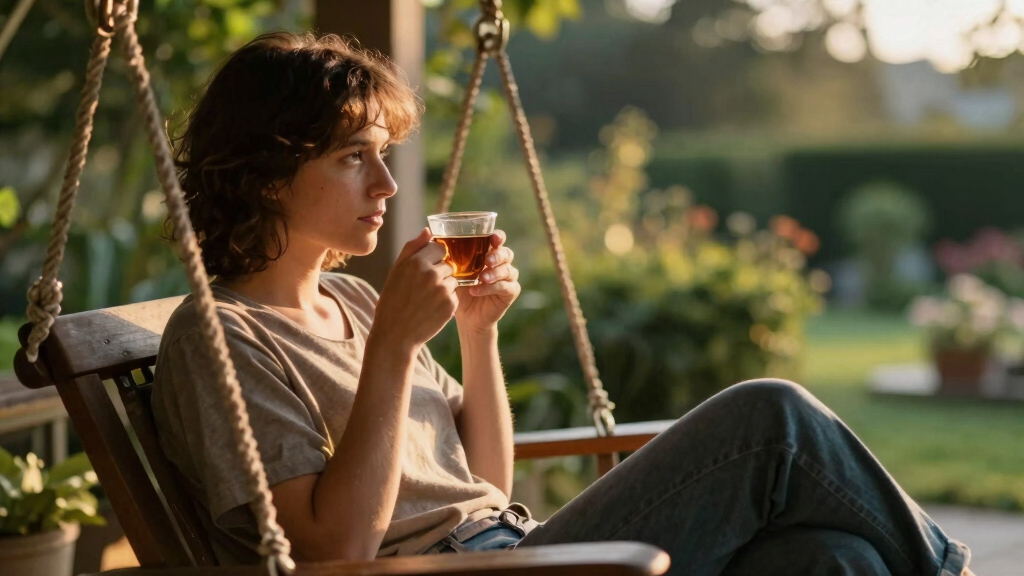
A noticeable shift in lifestyle preferences is underway, with more individuals prioritizing work-life balance and personal well-being over the traditional hustle culture. Experts confirm this trend is gaining momentum, though it remains a gradual change. This shift is also reflected in how people approach leisure and travel, with more seeking meaningful outdoor and lifestyle experiences.
Confirmed lifestyle trends are shifting away from the traditional hustle culture, with more people prioritizing personal well-being, mental health, and work-life balance over relentless productivity, according to recent surveys and expert observations. Lifestyle experiences boost China’s summer travel trends.

Get the little things that make your day delivered free with Prime
- Fast, free delivery on millions of items
- Prime Video, Amazon Music and more included
- Member-only deals all year
While hustle culture was dominant in recent years, especially among younger professionals and entrepreneurs, the current trend indicates a move toward more balanced, holistic lifestyles. This change is partly driven by the pandemic’s long-term effects, which prompted many to reevaluate priorities, and by a rising cultural emphasis on mental health and self-care. Despite this, some critics argue that the shift is still in its early stages and that traditional productivity norms continue to influence many sectors.
Why the Shift from Hustle Culture Matters for Society
This emerging trend signifies a potential transformation in societal values, where well-being and sustainability take precedence over relentless work ethic. It could influence workplace policies, mental health awareness, and how success is defined across various industries. For individuals, adopting more balanced lifestyles may reduce burnout and improve overall quality of life. However, the extent and permanence of this shift remain uncertain, and some sectors may resist change due to economic pressures or ingrained cultural norms.
Products Worth Considering

Philips Hue Starter Kit with Bridge Pro and 4 A19 E26 Smart Bulbs
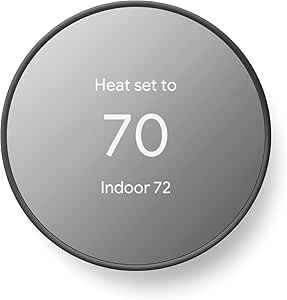
Google Nest Smart Thermostat, Programmable Wi-Fi, Charcoal

Blueair Signature SP1i Smart Air Purifier
As an affiliate, we earn on qualifying purchases.
Historical Roots and Recent Developments in Lifestyle Trends
Hustle culture gained prominence over the past decade, fueled by social media, startup culture, and a focus on entrepreneurship, often glorifying long hours and high achievement. The COVID-19 pandemic exposed the drawbacks of this approach, leading many to question the sustainability of such lifestyles. Recent surveys from organizations like Gallup and industry reports from wellness firms indicate a growing preference for flexible work arrangements, self-care routines, and mental health prioritization since early 2024. This reflects a broader societal reconsideration of success metrics and lifestyle choices, accelerated by increased awareness of burnout and mental health issues.
“We are witnessing a cultural shift where personal well-being is becoming more central to how people define success and happiness.”
— Dr. Lisa Chen, sociologist at University of California
Extent and Longevity of the Lifestyle Shift
It remains unclear how widespread this shift will become across different industries and demographics. While surveys indicate growing interest in balanced lifestyles, some experts caution that traditional hustle norms still dominate many professional spheres, especially in competitive sectors. The long-term sustainability of this trend and whether it will lead to systemic change are still uncertain, with ongoing debates about economic pressures and cultural resistance.
Monitoring Future Changes in Lifestyle and Workplace Norms
Researchers and industry analysts will continue to track lifestyle and workplace trends through surveys, policy changes, and corporate initiatives. Expect a gradual increase in flexible work policies, wellness programs, and public discourse around mental health. Significant shifts will depend on broader societal acceptance and economic factors, with potential for more visible changes in corporate culture and social norms over the next 1-2 years.
Key Questions
Is hustle culture completely disappearing?
No, hustle culture remains prevalent in some sectors, but its dominance is waning as more people adopt balanced lifestyles. The shift is gradual and varies across industries and regions.
What are the main drivers of this lifestyle change?
Key drivers include increased awareness of mental health, burnout, the impact of the pandemic, and a cultural shift toward valuing well-being and sustainability.
Will this trend affect workplace policies?
Yes, many companies are already adopting more flexible work arrangements and wellness initiatives, which could become standard practice if the trend continues.
How might this impact economic productivity?
While some worry about reduced productivity, proponents argue that healthier, balanced workers are more sustainable and effective over the long term. The overall impact remains to be seen.
Is this shift driven by younger generations?
Younger generations, especially Millennials and Gen Z, are more openly advocating for balance and mental health, but the trend is gaining acceptance across broader age groups.
Source: rss