

The budgeting mistake that keeps you in debt is not prioritizing an emergency fund. Without savings for unexpected expenses like car repairs or medical bills, you’ll likely turn to credit cards or loans, which can spiral into more debt. Relying solely on budgeting without building this safety net leaves you vulnerable and stuck in a cycle of financial instability. Keep going, and you’ll uncover how to correct this mistake and regain control of your finances.
Key Takeaways
- Failing to allocate specific limits to spending categories leads to unchecked overspending and debt accumulation.
- Treating budgets as vague guidelines rather than detailed plans causes budget blowouts.
- Neglecting to monitor and adjust expenses regularly allows small leaks to grow into debt traps.
- Overlooking the importance of building an emergency fund can result in high-interest debt from unexpected costs.
- Relying solely on expense tracking without strategic planning prevents effective debt management and financial stability.
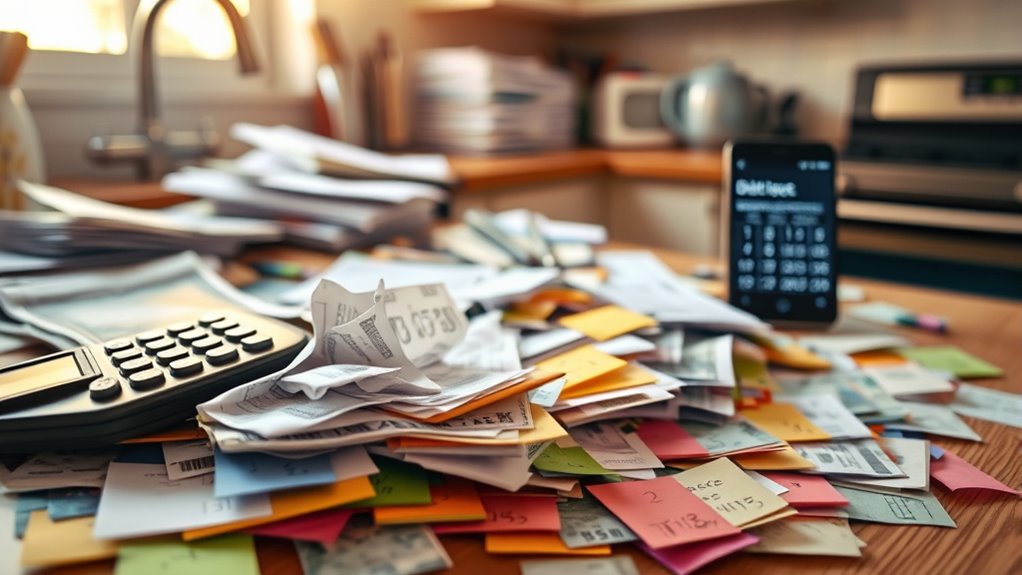
When you jump into budgeting without prioritizing an emergency fund, you’re leaving yourself vulnerable. An emergency fund acts as a financial safety net—covering unexpected expenses like car repairs, medical bills, or sudden job loss. Without it, any unforeseen cost can knock your finances off balance, forcing you to rely on credit cards or loans, which only deepens your debt. The mistake many make is thinking that tracking expenses alone is enough; but if you don’t have a dedicated emergency fund, you’re not truly prepared. It’s essential to set aside a small portion of your income regularly until you have enough to cover three to six months of living expenses. This provides peace of mind and reduces the likelihood of dipping into credit, which often leads to perpetual debt.
Another critical aspect is how you handle your spending categories. When you create a budget, it’s tempting to allocate funds broadly or ignore the specifics. But without clearly defining and controlling your spending categories—like groceries, entertainment, dining out, or subscriptions—you risk overspending in certain areas. For example, you might think you’re staying within your budget, but if you’re consistently overspending on dining out or entertainment, those costs compound and eat into funds that could be used to pay down debt or bolster your emergency savings. The mistake is treating your budget as a vague guideline rather than a precise plan. You need to assign realistic limits to each category and track them closely, adjusting as needed. This way, you prevent small leakages from turning into a significant drain on your finances.
A further point to consider is how high-quality financial education can empower you to make smarter decisions about saving and spending.
In essence, the real secret to breaking free from debt isn’t just about cutting back or monitoring expenses—it’s about strategic planning. Building an emergency fund provides a safety net that stops debt from spiraling out of control when unexpected costs arise. Simultaneously, managing your spending categories ensures you’re consciously controlling where your money goes. Together, these steps create a more resilient financial foundation, allowing you to pay down debt more effectively and avoid falling into the same trap again. Without them, even the best expense tracking can fall short, leaving you stuck in a cycle of debt that feels impossible to escape.

Ready America 70280 Emergency 2-Person 3-Day Survival Backpack
- Emergency Kit Capacity: Supports 2 people for 3 days
- First Aid Supplies: Includes 33-piece first aid kit
- Emergency Food & Water: Contains 2 food bars and water pouches
As an affiliate, we earn on qualifying purchases.
As an affiliate, we earn on qualifying purchases.
Frequently Asked Questions
How Can I Identify if My Budget Is Flawed?
You can tell if your budget is flawed by reviewing your expense tracking regularly. If you notice you’re consistently overspending in certain categories or not meeting your savings strategies, your budget needs adjustment. Look for patterns of unplanned expenses or insufficient savings. A well-structured budget aligns your income with your expenses and savings goals, helping you avoid debt. Regularly updating and analyzing your budget guarantees it remains effective and realistic.
What Are Signs I’m Overspending Despite a Budget?
Imagine your budget as a ship’s sail; if it’s catching more wind than you intend, you’re overspending. Signs include falling into credit card traps and impulse buying, which drain your funds unexpectedly. You might notice your expenses surpass your income or struggle to save. These signals show your spending is outpacing your plan, making it hard to stay afloat financially. Adjust your sails before the storm hits.
How Often Should I Review and Adjust My Budget?
You should review and adjust your budget at least monthly, especially as your financial situation changes. Staying proactive improves your financial literacy and helps you identify overspending or missed savings strategies early. Regular check-ins allow you to track progress toward goals and make necessary tweaks, ensuring your budget remains realistic and effective. Consistent adjustments keep you on track to build savings and avoid falling into debt.
Can Budgeting Alone Eliminate All Debt?
Budgeting alone can’t eliminate all debt because emotional spending and unexpected expenses often derail your plans. While a solid budget helps control your finances, you also need strategies for managing emotional triggers and building an emergency fund. Stay disciplined, track your spending, and adjust your budget regularly. Combining these habits increases your chances of paying off debt faster and maintaining financial stability.
What Tools Are Best for Effective Budgeting?
The best tools for effective budgeting include apps that help with cash flow analysis and expense categorization. Use budgeting software like Mint or YNAB to track your income and expenses automatically, giving you clear insights into your spending habits. These tools make it easy to identify areas to cut back, prioritize debt repayment, and stay on top of your financial goals, ensuring you avoid common budgeting mistakes.

SUNEE Budget Planner – Monthly Budget Book with Expense Tracker Notebook, Undated 12 Month Bill Organizer & Finance Planner to Manage Your Money, A5(6.4" x 8.3") Account Book with Colorful Tab, Black
- All-in-One Budget Planner: Track income, expenses, savings, goals
- Full-Page Monthly Calendars: Space for paydays, bills, appointments
- Colorful, User-Friendly Layout: Easy navigation with vibrant tabs
As an affiliate, we earn on qualifying purchases.
As an affiliate, we earn on qualifying purchases.
Conclusion
So, next time you create your budget, remember that ignoring small expenses or underestimating costs is like willingly tying yourself to a debt rollercoaster. Keep fooling yourself into thinking you’re in control, and you’ll stay stuck in the cycle. But hey, who needs financial freedom when you can enjoy the thrill of living paycheck to paycheck? Spoiler: the only ride you’re on is the one that never really ends.

Money Skills for Teens: A Beginner’s Guide to Budgeting, Saving, and Investing. Everything a Teenager Should Know About Personal Finance (Life Skills for Tweens & Teens)
As an affiliate, we earn on qualifying purchases.
As an affiliate, we earn on qualifying purchases.
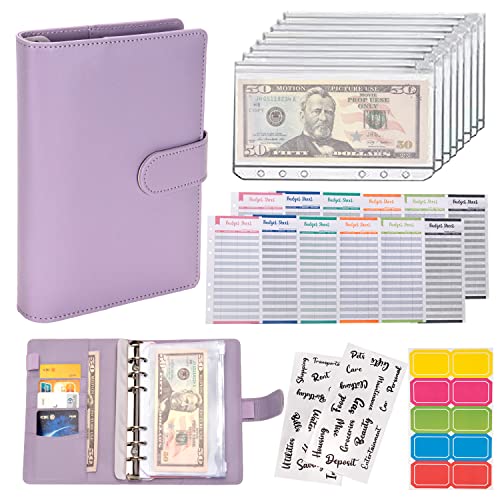
NICOOTH Budget Binder A6 Money Saving Binder with Zipper Cash Envelopes
- Stylish Budget Organizer: PU leather money saving binder with envelopes
- Complete Budget Set: Includes cash envelopes, expense sheets, and labels
- Ideal Gift Choice: Perfect for family, friends, and children
As an affiliate, we earn on qualifying purchases.
As an affiliate, we earn on qualifying purchases.